
How Social Events Build Stronger Neighborhoods
Discover how community culture, vibrant social connections, and immersive local experiences converge to forge stronger, more cohesive neighborhoods. Explore the profound impact of social events on building resilient and connected communities.
The Foundation of Community Culture
A thriving community is built on more than just shared geography; it’s woven from the threads of shared experiences and mutual understanding. Community culture encompasses the unique values, traditions, and social norms that define a neighborhood. When residents actively participate in shaping and celebrating this culture, it creates a sense of belonging and shared identity. This foundational element is crucial for fostering genuine social connections.
Understanding Neighborhood Identity
Neighborhood identity is often shaped by its history, its demographic makeup, and its visible characteristics. However, it’s the intangible aspects – the collective spirit and the feeling of being part of something larger – that truly define a place. Recognizing and nurturing these intangible aspects is key to building a strong community fabric.
The Power of Social Connections
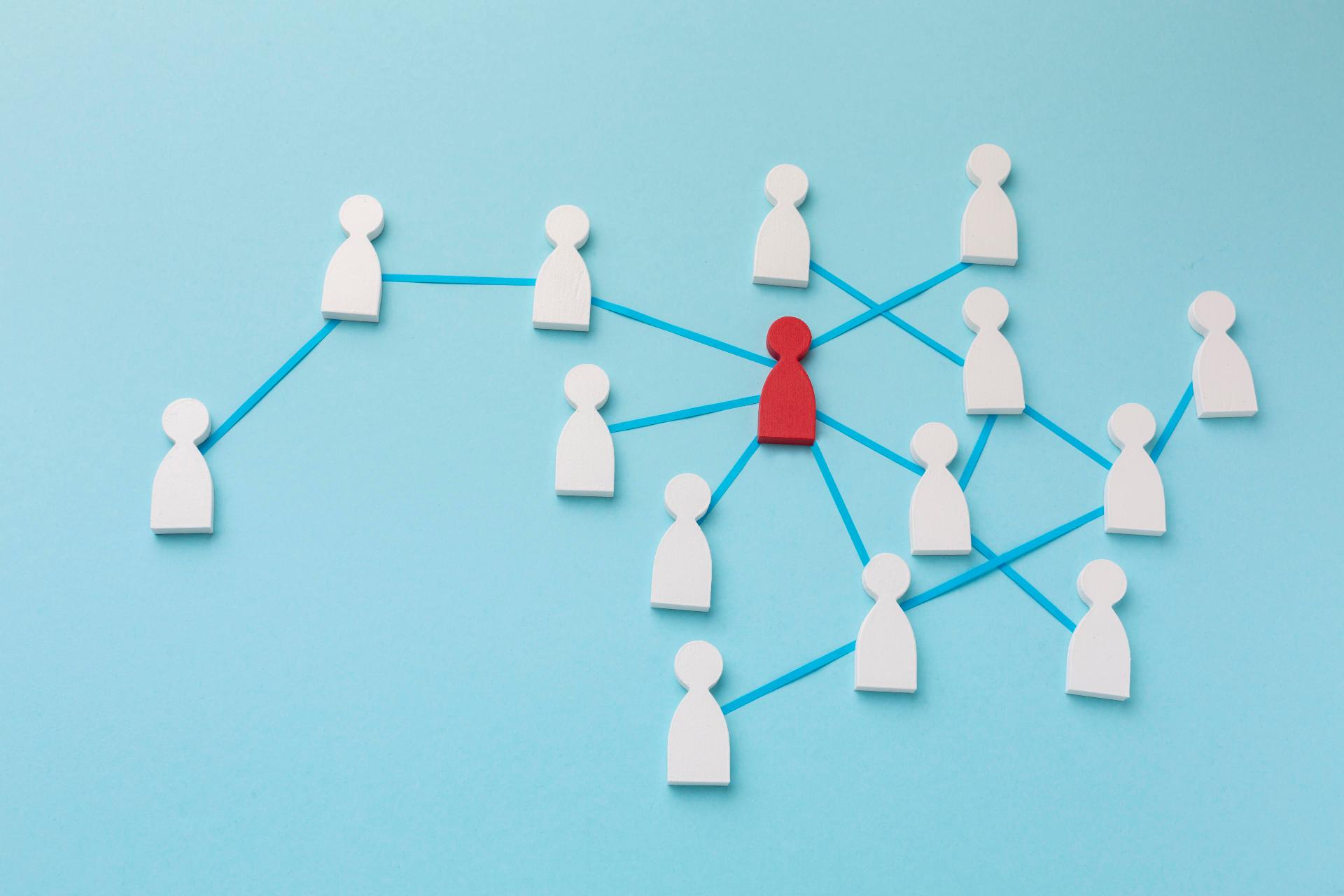
Social connections are the lifeblood of any community. They are the relationships, both casual and deep, that bind people together. Strong social connections translate into increased trust, mutual support, and a greater willingness to engage in community life. These connections don’t happen in a vacuum; they are cultivated through interaction and shared activities.
From Acquaintances to Neighbors
The journey from simply knowing who lives next door to truly connecting with them is facilitated by opportunities for interaction. Simple gestures like a friendly wave, a brief chat at the mailbox, or attending a neighborhood gathering can transform anonymous residents into familiar faces and, eventually, into friends. These small interactions build the trust and rapport necessary for a supportive community.
Local Experiences as Catalysts for Cohesion
Local experiences are the unique offerings and activities that a neighborhood provides. These can range from farmers’ markets and local festivals to block parties and community gardening projects. When residents engage in these shared local experiences, they create common ground and shared memories, further strengthening their social bonds.
Cultivating a Sense of Place
Local experiences help to imbue a neighborhood with a distinct sense of place. They highlight what makes a community special and provide opportunities for residents to connect with their surroundings and with each other in meaningful ways. Participating in these events fosters a feeling of ownership and pride in the neighborhood.
The Role of Social Events in Building Resilience
Social events are powerful catalysts for building stronger, more cohesive neighborhoods. They provide structured opportunities for residents to connect, interact, and build relationships. From informal potlucks to organized community festivals, these gatherings serve multiple vital functions.
Facilitating Interaction and Understanding
At their core, social events are designed to bring people together. They break down barriers and encourage interaction among diverse groups of residents who might not otherwise meet. This interaction fosters understanding, empathy, and a greater appreciation for the different perspectives within the community. When people know and trust each other, they are more likely to support one another during challenging times, thus building community resilience.
Encouraging Active Participation
Events that are well-organized and cater to the interests of the community can significantly boost resident engagement. When people feel that their participation is valued and that they can contribute to the success of an event, they become more invested in the community as a whole. This active participation strengthens the social fabric and creates a more dynamic and responsive neighborhood.
Creating Shared Memories and Traditions
Every successful social event adds to the tapestry of shared memories and traditions that define a neighborhood. These collective experiences create a lasting sense of belonging and can evolve into cherished annual traditions. Such traditions provide continuity and a sense of shared history, which are essential for long-term community strength.
Examples of Effective Neighborhood Events
The most successful neighborhood events are often those that are inclusive, accessible, and reflect the diverse interests of the residents. Here are a few examples:
- Block Parties and Potlucks: These informal gatherings are excellent for fostering casual interactions and allowing neighbors to share food and conversation.
- Community Clean-Up Days: Working together on a common goal, like beautifying a local park or cleaning up streets, builds camaraderie and pride in the neighborhood.
- Local Festivals and Markets: These events celebrate local culture, support local businesses, and provide a vibrant hub for community interaction.
- Skill-Sharing Workshops: Neighbors can share their talents and teach each other new skills, fostering both personal growth and connection.
- Welcome Events for New Residents: Making new neighbors feel welcome is crucial for integrating them into the community quickly.
Conclusion: Investing in Connection
The strength of a neighborhood is directly proportional to the quality of its social connections and the vibrancy of its community culture. Social events are not mere entertainment; they are strategic investments in building a more cohesive, supportive, and resilient community. By creating opportunities for meaningful interaction and shared local experiences, we can cultivate neighborhoods where people not only live but truly belong.
What are your favorite neighborhood events? Share your experiences in the comments below!