Start with the routines you already have
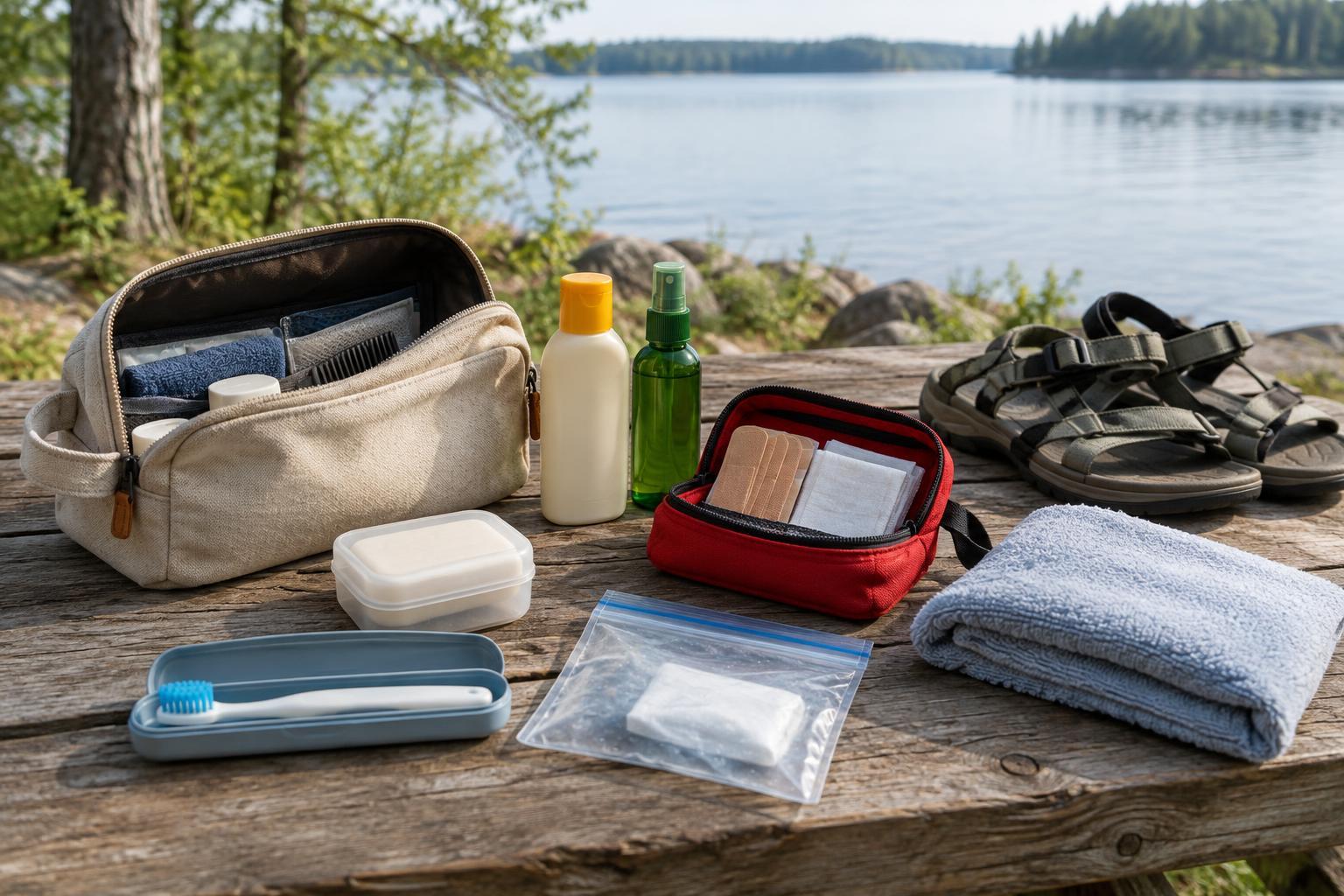
A lake weekend rarely calls for a completely new set of toiletries. Begin with what you use on an ordinary morning and evening: toothbrush, toothpaste, floss, deodorant, face wash, moisturizer, hairbrush or comb, and any hair products you rely on. Add contact lenses and supplies, glasses, menstrual products, and shaving items if they are part of your routine. Packing familiar products in small, well-labeled containers can make a short stay simpler.
Before adding shampoo, soap, or towels, check what your accommodation provides. A small cabin, guesthouse, or campsite may have a very different setup from a hotel. If you will share a bathroom, a compact wash bag with a handle is easier to carry than loose bottles. Bring a separate pouch for damp items so they do not soak the rest of your luggage on the way home.
Plan for sun, insects, and wet feet
Time by the water often means moving between shade, open shoreline, and outdoor dining. Pack sunscreen you are comfortable using, along with lip balm with sun protection. A hat and sunglasses can reduce how often you need to reach into your bag. Keep sunscreen accessible rather than buried under clothes, and follow the product label for application and reapplication, especially after swimming or toweling off.
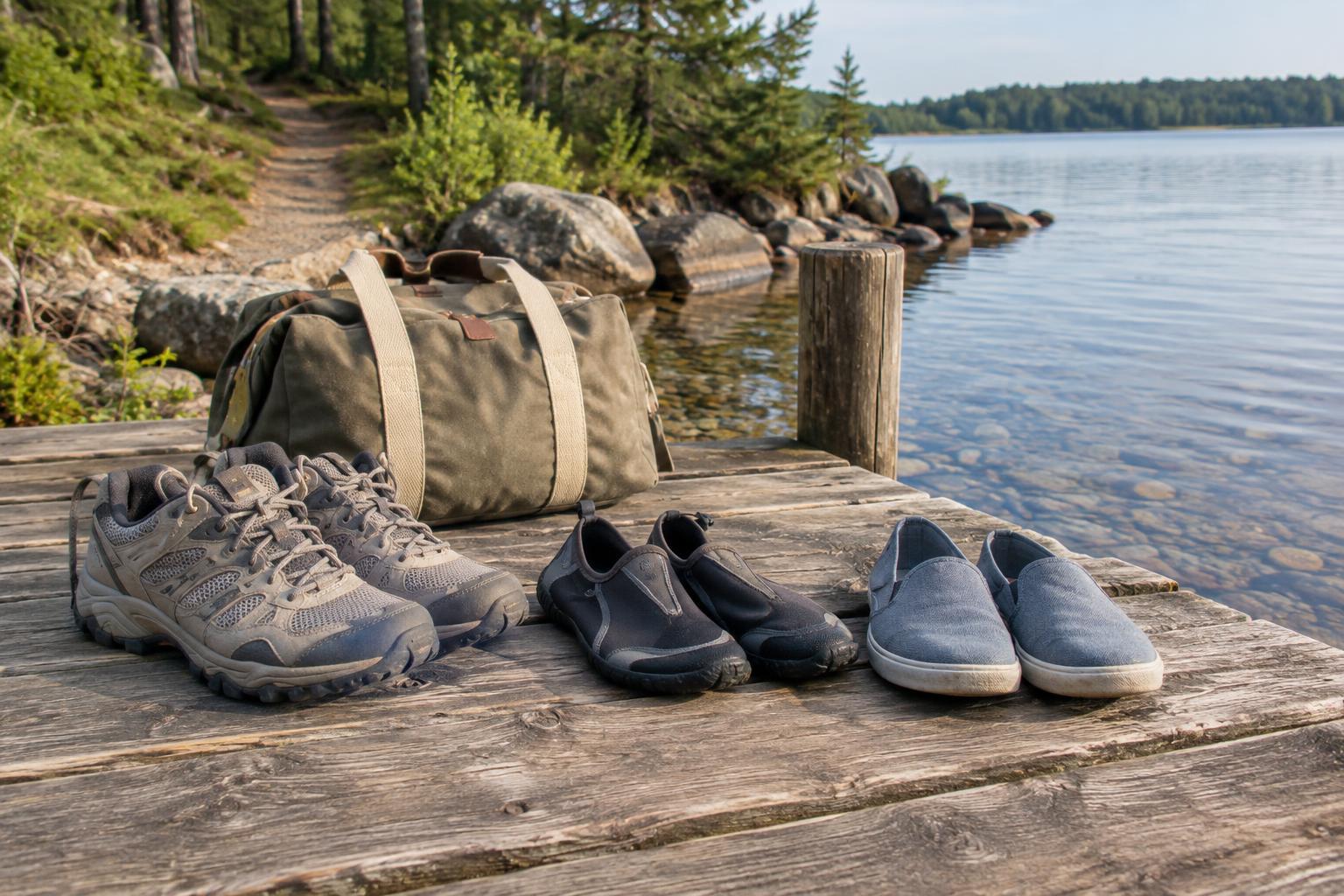
Insect repellent is worth considering for evenings near vegetation or still water; choose a product appropriate for the people in your group and follow its directions. For the less glamorous parts of a lake day, add a small towel, a few tissues, hand sanitizer, and a bag for muddy shoes or a wet swimsuit. Water shoes or sandals may be useful where shorelines are rocky, but check local access rules and conditions before heading out.
Build a modest first-aid pouch
For a short, relaxed trip, the goal is not to carry a miniature clinic. A small pouch can hold assorted adhesive bandages, a few sterile gauze pads, medical tape, antiseptic wipes, and tweezers for minor everyday mishaps. Blister pads are useful if walking is on the itinerary. Include any personal medicines you need, plus the supplies required to take them as directed. Keeping medicines in their original, clearly labeled packaging can prevent confusion when you are away from home.
Check expiration dates and replace opened or damaged items before leaving. Store the pouch somewhere easy to find, not at the bottom of a packed car. A first-aid kit is for minor needs and does not replace appropriate care: for a serious injury, severe reaction, or symptoms that worry you, seek prompt help. If you are unsure which medicines or products are suitable for you or a child, ask a qualified healthcare professional before the trip.
Keep water out and waste out of the lake
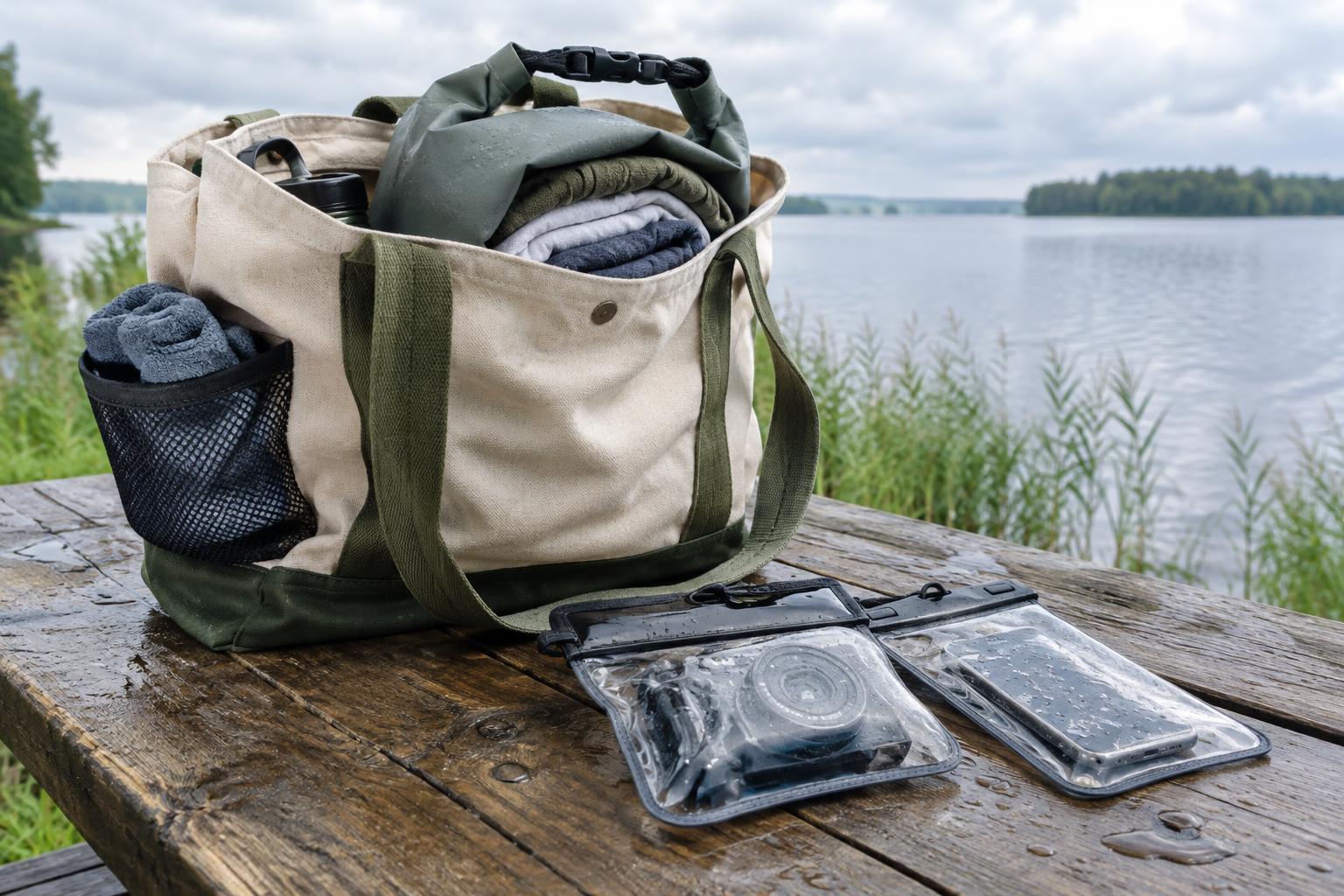
Even a tidy toiletry bag can leak when it is squeezed between shoes and clothing. Tighten bottle caps, put liquids in a reusable sealable pouch, and stand them upright where possible. A second small bag can hold the items you may want at the shore: sunscreen, repellent, tissues, and a few bandages. Keeping this day-use kit separate saves repeated trips back to your room or car.
Bring a bag for used wipes, wrappers, and other small rubbish, particularly if bins may be far from the water. Do not wash with soap or shampoo in the lake, even if a product is labeled biodegradable; use designated washing facilities instead. If your stay has limited bathroom facilities, find out how water and waste are handled before you pack extra products. A little planning makes it easier to leave the shoreline as you found it.
Do a final check based on your plans
Lay everything out once before it goes into your bag. Picture a full day: getting ready, spending time outside, cleaning up, and settling in for the night. If you are paddling or taking a small boat, protect the day-use pouch in a suitable waterproof container. If you expect a long walk, move blister care and personal essentials into the bag you will actually carry. For a quieter stay with short walks and indoor facilities, the basic kit may be enough.
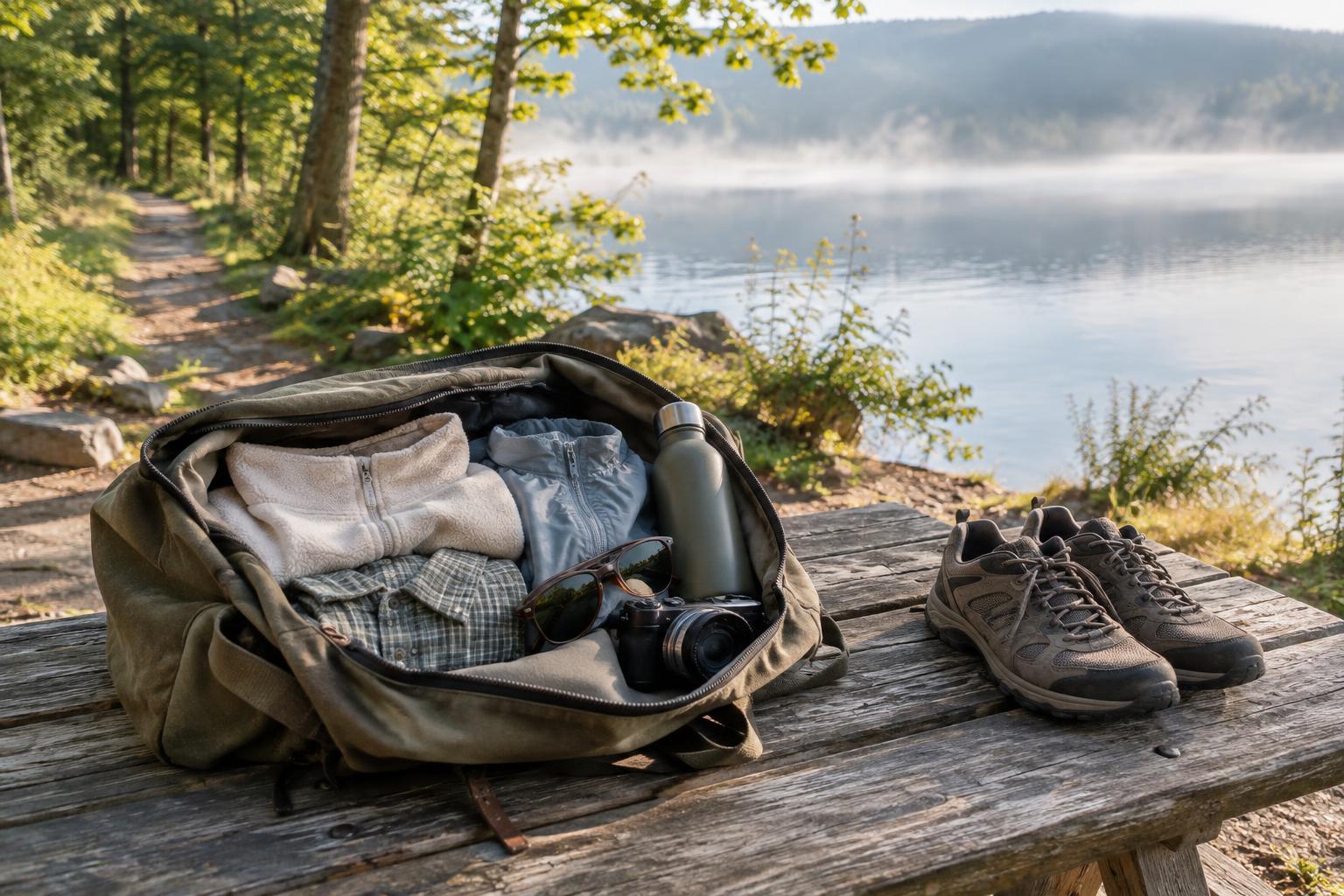
The best packing list is one you can adjust rather than follow blindly. Check what your accommodation supplies, consider who is traveling with you, and leave room for a dry change of clothes. With toiletries organized and a modest first-aid pouch close at hand, you can spend less time searching through luggage and more time enjoying the lake.