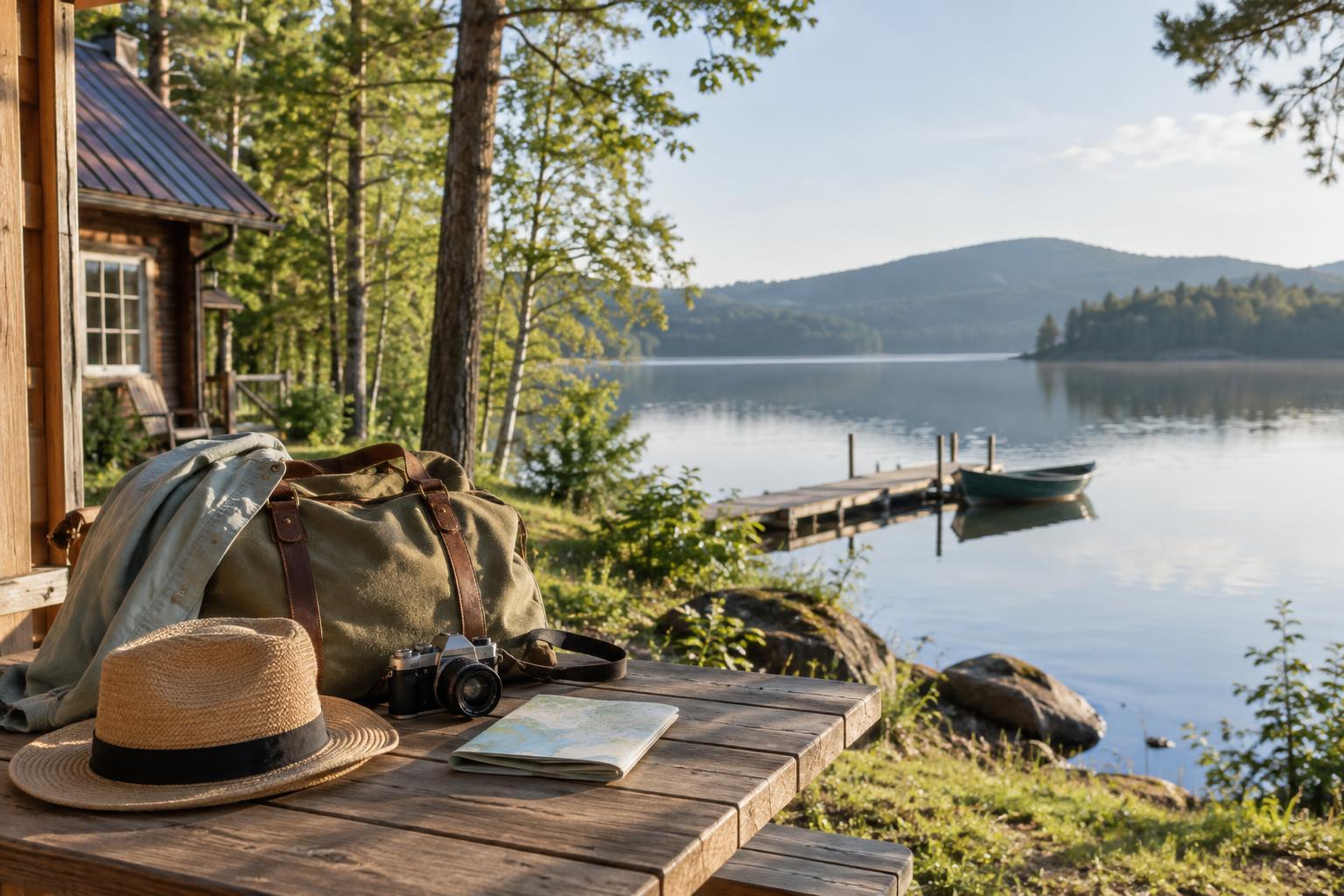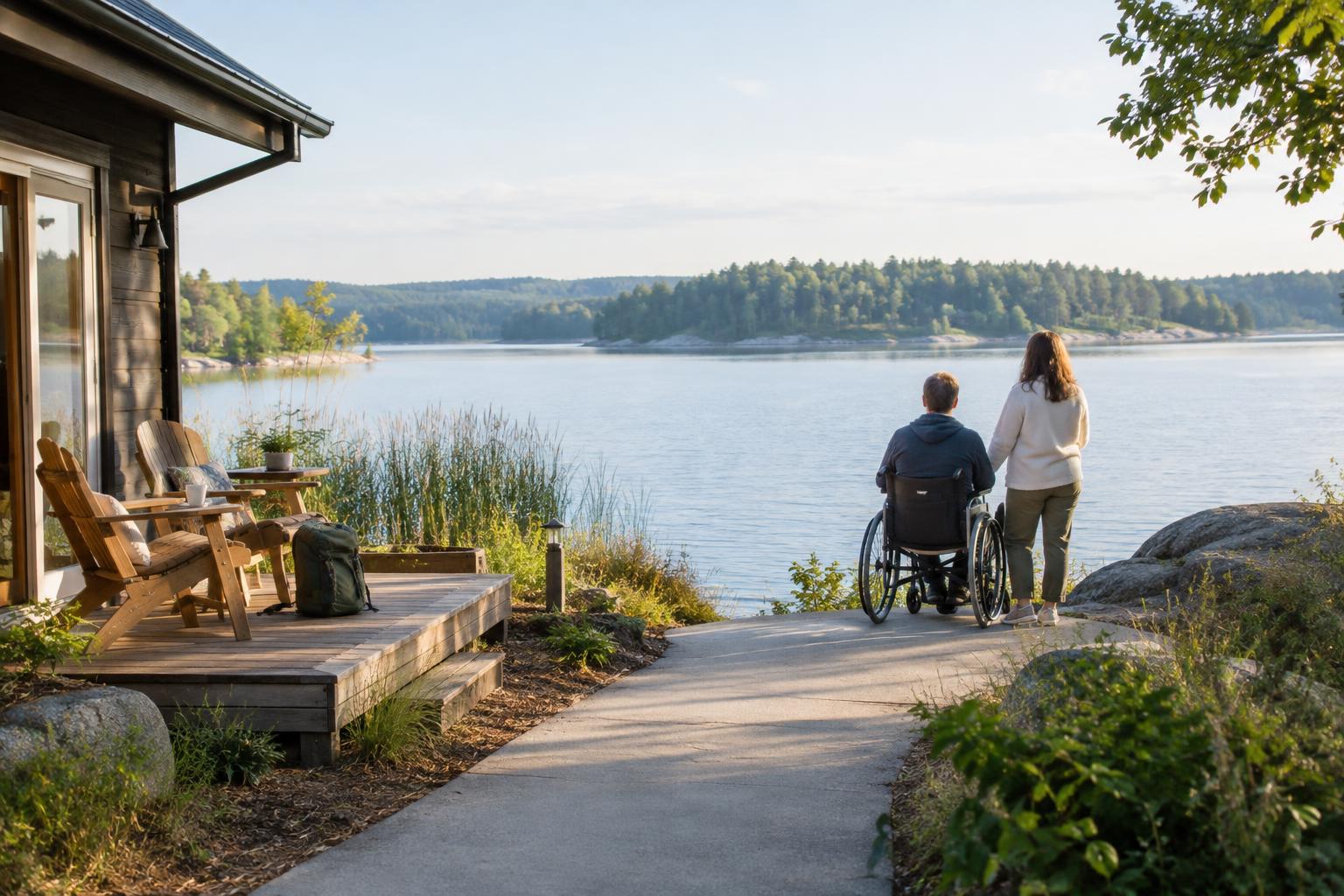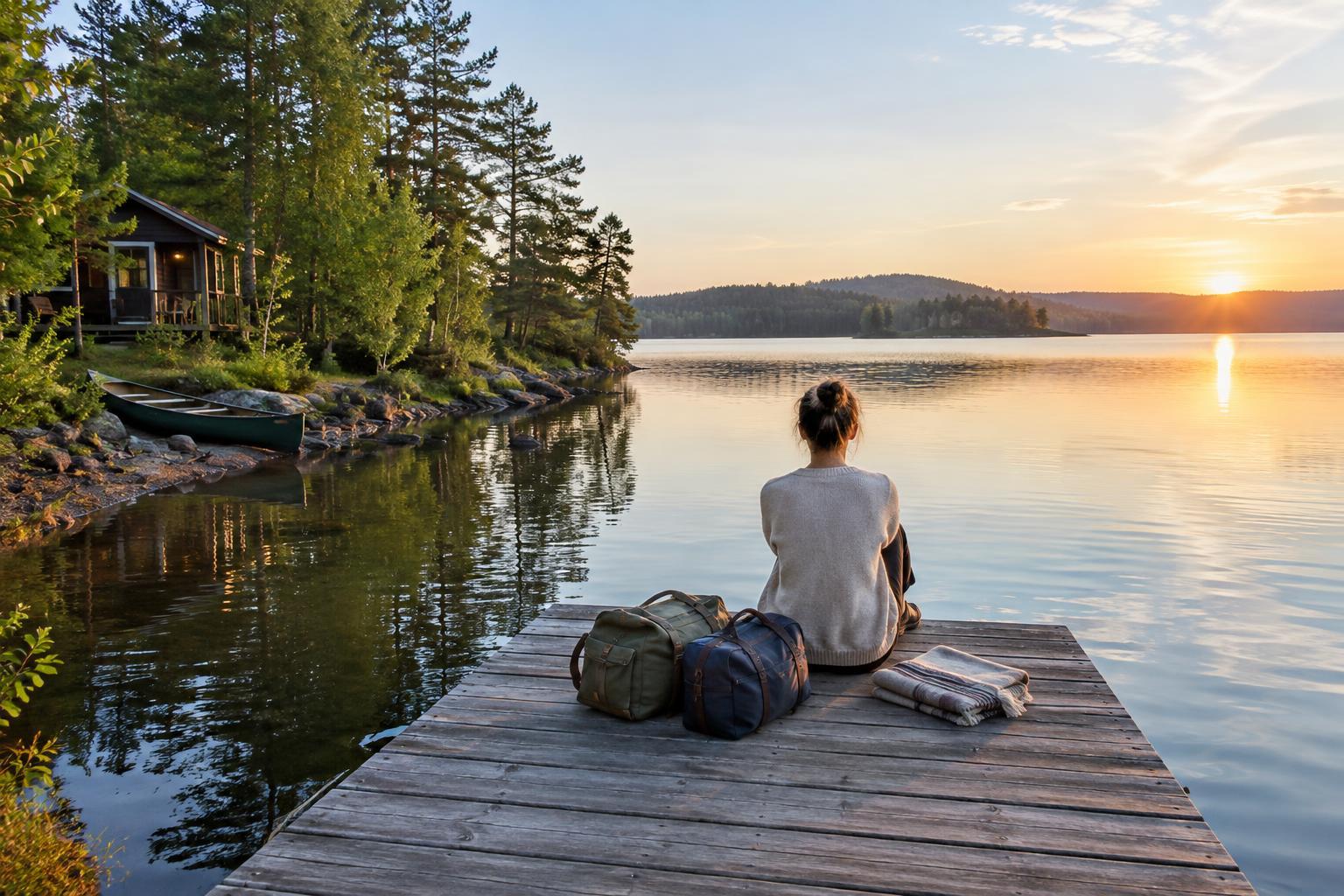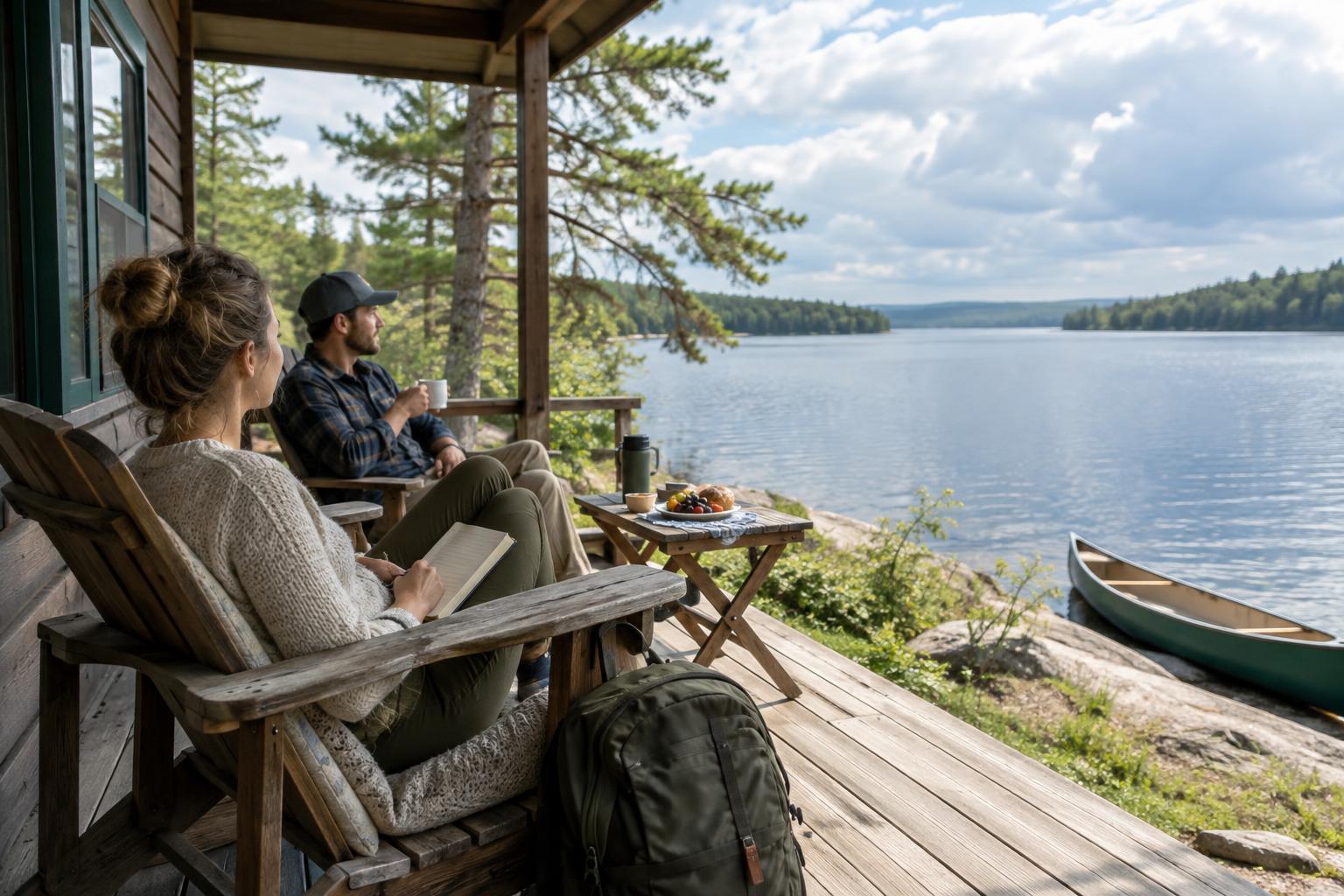
Trying to fit too much into two days
The most common itinerary mistake is treating a lake weekend like a checklist. A morning paddle, a long hike, a restaurant reservation and a sunset drive may all sound appealing. Put them on the same day, though, and the time spent changing clothes, finding parking and getting from place to place can crowd out the experience you came for.
Choose one main activity for each full day, then add an optional plan nearby. A walk after breakfast might be the priority, while an afternoon swim or a stop at a café can depend on how everyone feels. If you are traveling with people who want different things, agree on one shared activity and allow some independent time. An open hour beside the water is not a gap to fix; it may be the best part of the trip.
Forgetting that arrival and departure take time
A two-night stay rarely provides three full days at the lake. Driving, checking in, unpacking and picking up groceries all take time, especially when a destination is unfamiliar. A tightly planned arrival evening can become frustrating if you reach the area later than expected or need to make an extra stop for dinner.
Treat arrival day as a settling-in day. Before you leave, check your accommodation’s stated check-in and check-out times, estimate the drive with a reasonable buffer, and identify a simple first meal. Save longer outings for the full day in the middle. On departure morning, leave enough time to pack, tidy up as required by your stay and make one short stop only if it fits comfortably before the trip home.
Planning activities without checking practical details
A lakeside trail on a map is not necessarily a quick walk from your room, and a beach that looks inviting in photos may have limited access or different rules than you expect. Launch points, parking arrangements, opening hours and equipment availability can shape what is realistic. Assuming those details will sort themselves out can cost a large share of a short weekend.
Before finalizing the itinerary, confirm the essentials for each must-do activity: where to start, how to get there, whether access or reservations are needed, and what you should bring. For water activities, choose options that suit the group’s comfort and abilities, and follow posted guidance and local conditions. Keep an easy land-based alternative, such as a short walk or a relaxed meal, in case an outdoor plan no longer feels appropriate.
Building the whole trip around perfect weather
It is tempting to imagine every hour as warm, sunny and calm. Yet a breeze, rain or a chilly evening can change how pleasant an activity feels. The mistake is not hoping for good weather; it is making every part of the weekend depend on it. Even a comfortable stay can feel less restful if you have no appealing way to spend a wet afternoon.
Create a flexible version of your itinerary before you go. Pair an outdoor priority with an indoor or sheltered option, and keep the timing of less weather-dependent activities loose. Pack layers, a rain option and shoes suitable for the surfaces you expect to use rather than packing only for your ideal forecast. If conditions change, swap the order of plans instead of trying to force the original schedule.
Leaving meals and downtime as afterthoughts
Meals can become a surprising source of friction when everyone gets hungry at once and no one knows what is nearby. The same is true of rest: if every meal requires a drive and every free hour becomes another outing, the weekend can feel busier than a normal day at home. You do not need a detailed dining schedule, but a little preparation helps.
Pick a few easy meal options before departure, including something workable for the first evening and a breakfast that does not require a long search. If you hope to eat somewhere specific, check its arrangements in advance rather than assuming a table will be available. Then protect a stretch of unscheduled time each day. Sit by the shore, read, take a few photographs or do nothing in particular. A useful lake itinerary makes those choices possible without making them mandatory.