Start with the kind of ride you want
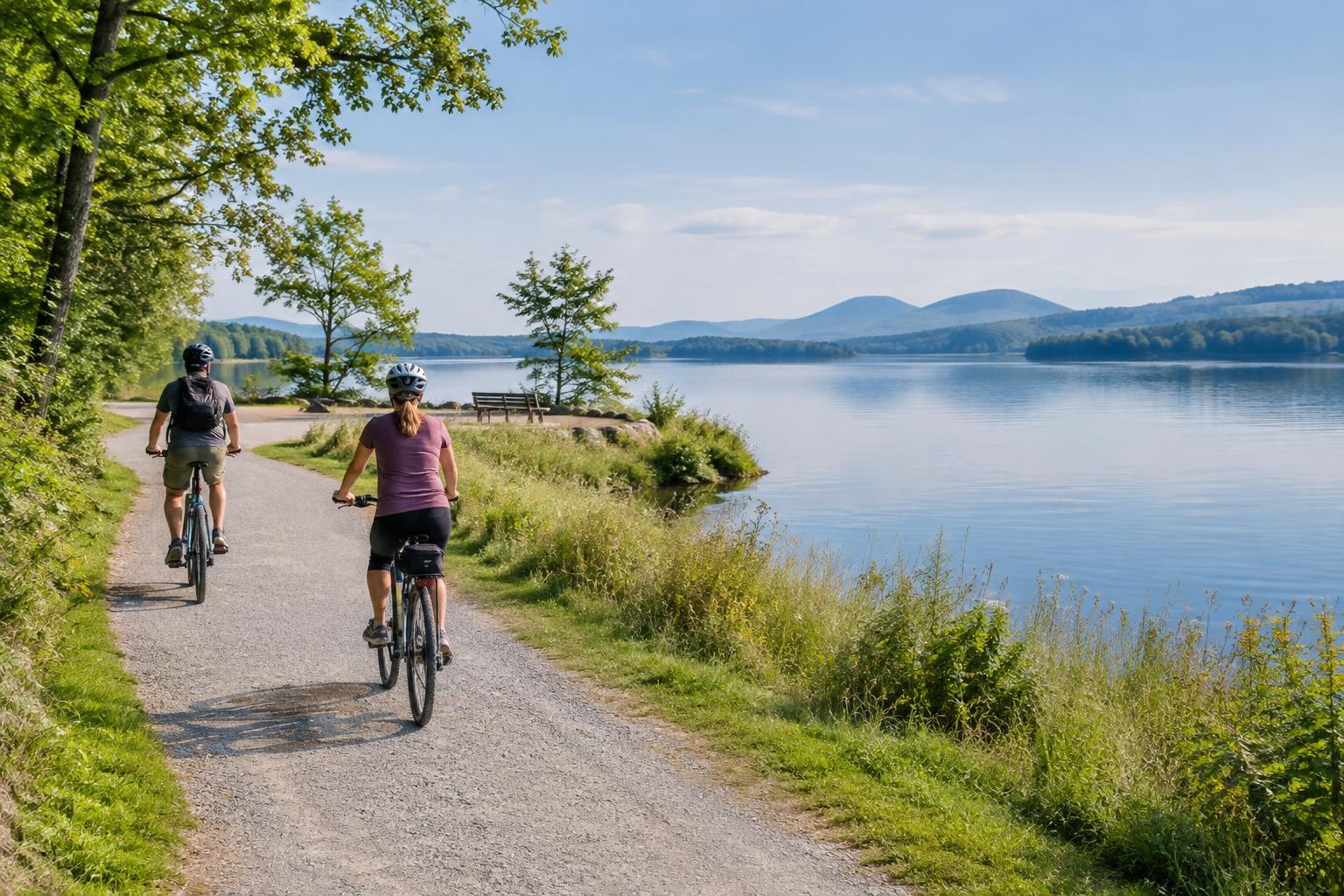
An easy lakeside ride is less about covering miles than enjoying the water, fresh air, and places to pause. Before looking at a map, decide how much time you want to spend riding and whether your group would prefer a short out-and-back trip or a loop. Include time for photographs, snacks, and a stop at a viewpoint. If anyone is new to cycling, choose a distance that leaves energy for the return journey.
Think about who is coming and what they will be riding. A paved path may suit a casual rider, while a firm gravel trail may be comfortable on some bikes but awkward on narrow tires or with a child trailer. A route described as “easy” can still include hills, rough patches, or crowded stretches. Treat the label as a starting point, then look more closely at the route itself.
Look for quieter connections, not just a path by the water
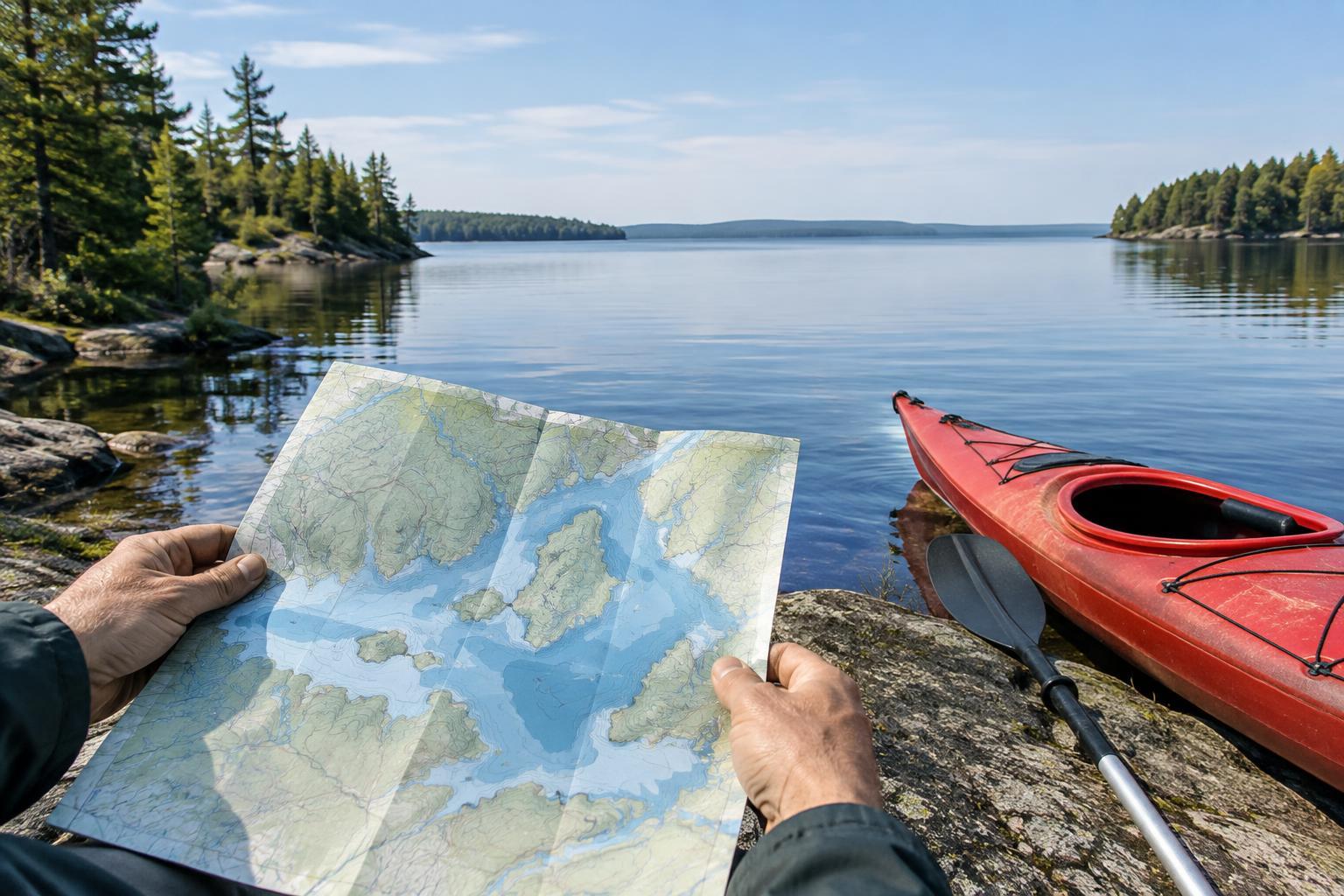
Begin with local trail maps, park information, or a cycling map that distinguishes dedicated paths from roads. A lakeside greenway, park loop, or rail trail can offer a calmer experience than a scenic road along the shore. Check how you will reach the route, too: a peaceful trail is less appealing if getting there requires a stressful stretch of traffic. Starting from a trailhead or choosing a different access point may make the whole ride more comfortable.
Trace the route from beginning to end rather than relying on its name. Look for gaps where a path joins a street, intersections that need crossing, and places where the route may narrow. A quiet residential connection might be workable for a confident rider but not for every group. If the map is unclear, plan a simpler out-and-back ride on a known path instead of assuming that two attractive trail sections connect easily.
Check the details that shape your pace
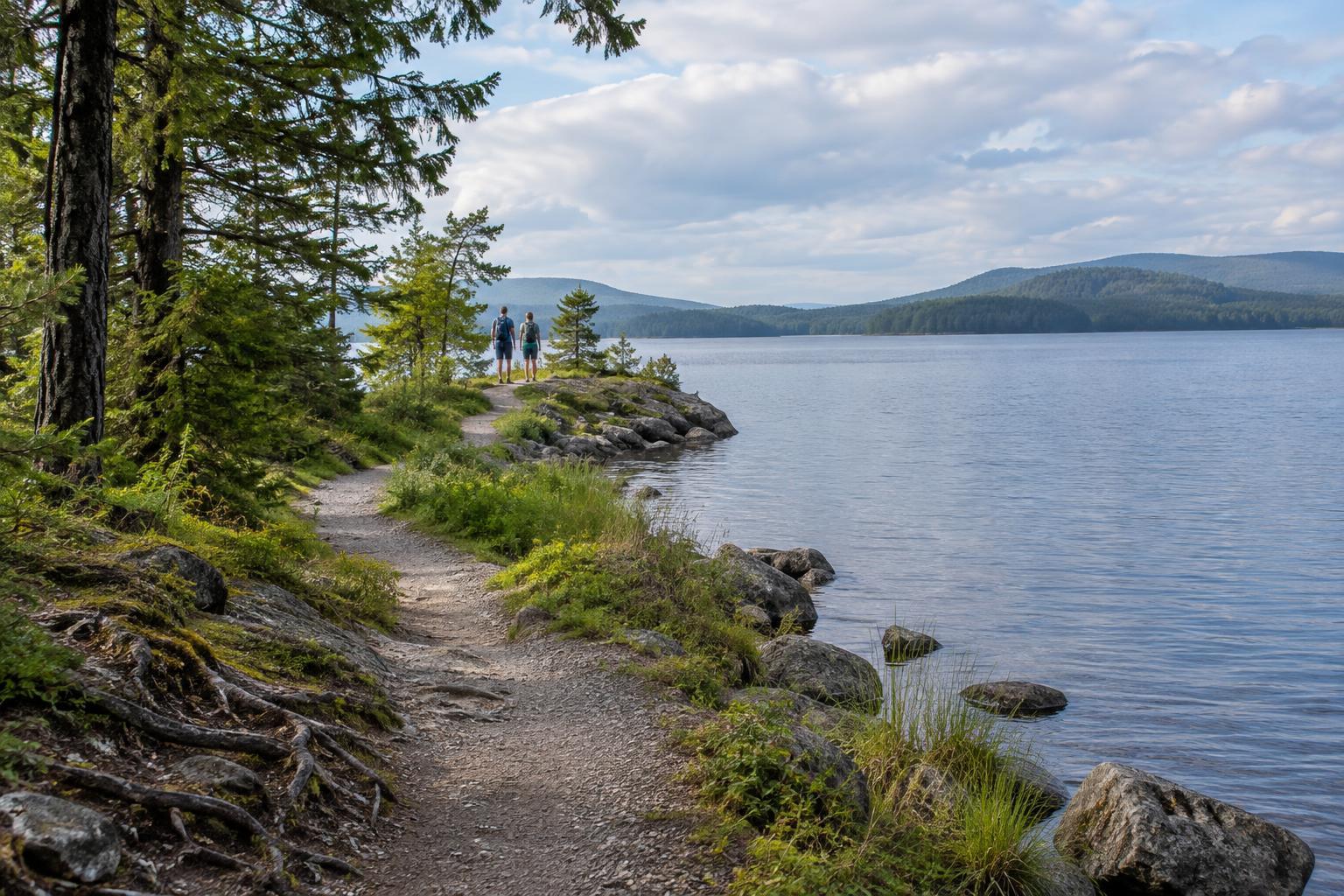
Surface, slope, and exposure can matter as much as distance. Note whether the route is paved, gravel, or mixed, and look for any steep approaches to bridges or overlooks. A trail that hugs the lake may offer little shade or shelter from wind. Conditions can also change after rain, so leave room to adjust your plans if a path looks muddy, damaged, or uncomfortable to ride.
Consider where you can take a break. A bench, picnic area, public restroom, or water refill point can turn a ride into an unhurried afternoon. Do not assume these facilities will be open or available; carry what you need, especially water. If you are bringing a bike by car, check where you can park and whether you can safely unload it without standing in traffic.
Give yourself a flexible turnaround point
For a low-pressure outing, mark a halfway point and an earlier place to turn back. That way, a strong headwind, a slower-than-expected surface, or an inviting stop does not make the return feel like a race. On an out-and-back route, remember that the conditions you enjoy in one direction may feel different on the way home. A loop can be satisfying, but it offers fewer chances to shorten the ride if plans change.
Before setting out, save or carry a route you can consult without relying entirely on mobile reception. Tell everyone in the group where the ride begins and ends, and agree on a meeting point if riders spread out. Check the forecast close to departure and be willing to choose a shorter ride or another activity if the weather does not suit your group.
Ride gently and share the shoreline
Quiet routes often belong to walkers, runners, families, and other cyclists as well as you. Keep a pace that allows you to slow down, give others space, and follow posted signs. Let people know before passing, and wait when there is not enough room to do so comfortably. At crossings, pay attention to the surroundings rather than assuming a trail continues uninterrupted.
Bring a bike in good working order, along with water, a small snack, and anything you need for a minor repair. Lights or bright clothing can help you remain visible when conditions are dim, even on a short outing. Once you have found a route that feels comfortable, resist the urge to fill every minute: the pleasure of lakeside cycling is having time to stop, look across the water, and ride on when you are ready.