Decide what the weekend is for
Before filling a calendar, ask what would make the trip feel worthwhile. Perhaps everyone wants time on the water, or perhaps the real goal is to sit outside with a book and share an unhurried meal. Naming one or two priorities helps separate meaningful plans from activities added simply because they are available.
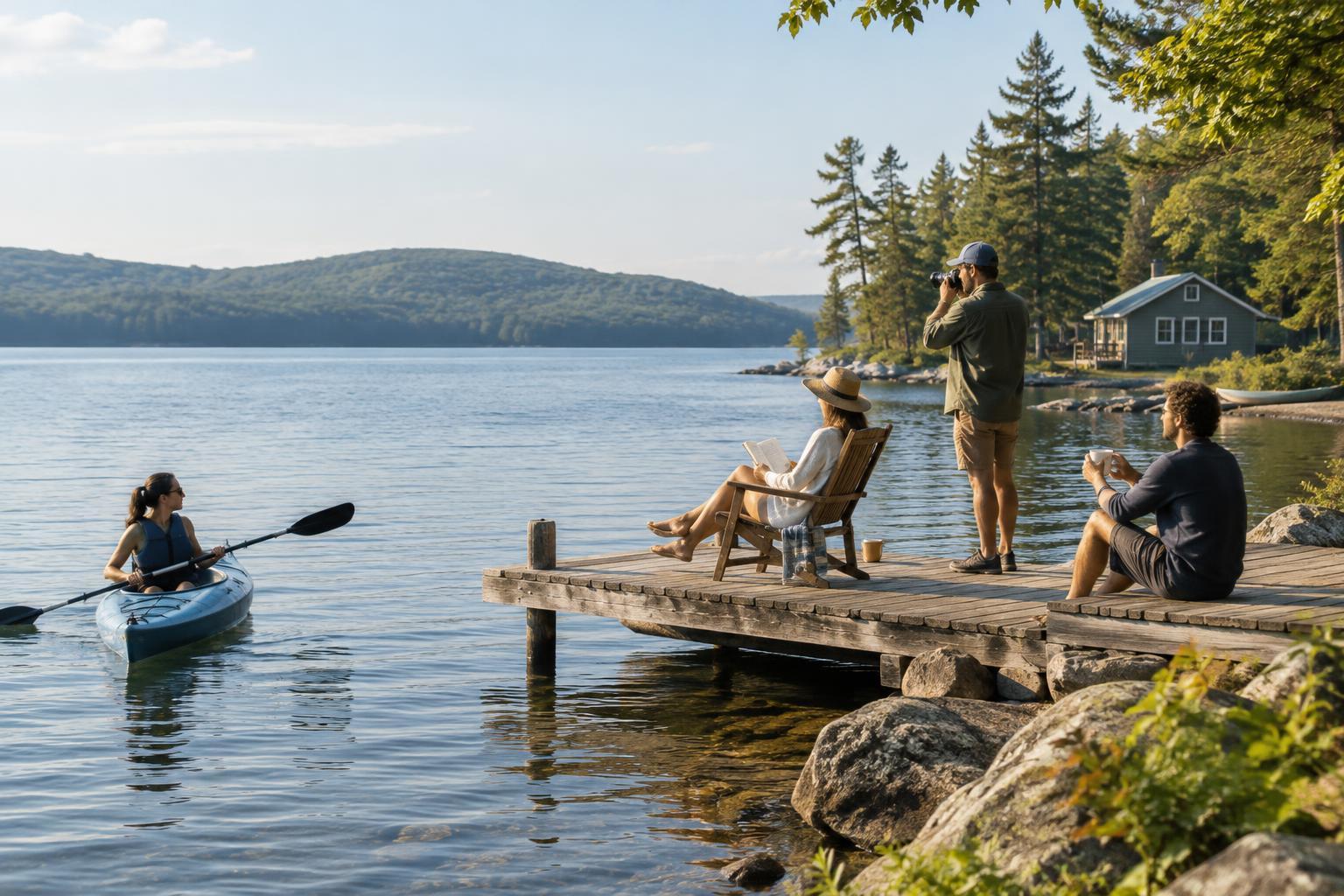
If you are traveling with others, have each person suggest one thing they would enjoy. Look for overlaps rather than trying to fit every idea into a short stay. A morning paddle and an afternoon of reading can coexist; two long outings on the same day may leave little energy for either. The aim is not to account for every hour, but to give the weekend a shape that suits the people on it.
Choose a few anchors, then leave gaps
An anchor is an activity that benefits from a definite time: picking up a rental boat, meeting a guide, checking in, or arriving for a meal you have reserved. Put those commitments on your plan first. For a typical weekend, one main outing per day is often enough to provide direction without making the trip feel like a checklist.
Protect the time around each anchor. Getting ready, traveling to an access point, cleaning up afterward and deciding where to eat all take longer than the activity itself. Instead of placing plans back to back, leave a generous gap that can absorb a late start or become a chance to linger. If nothing delays you, that open time is a benefit, not a scheduling error.
Keep smaller ideas on an optional list rather than assigning them a slot. A short walk, a nearby viewpoint or a visit to a café can be appealing when energy and conditions cooperate. If the day takes another direction, you can skip them without feeling that the plan has failed.
Make downtime easy to enjoy
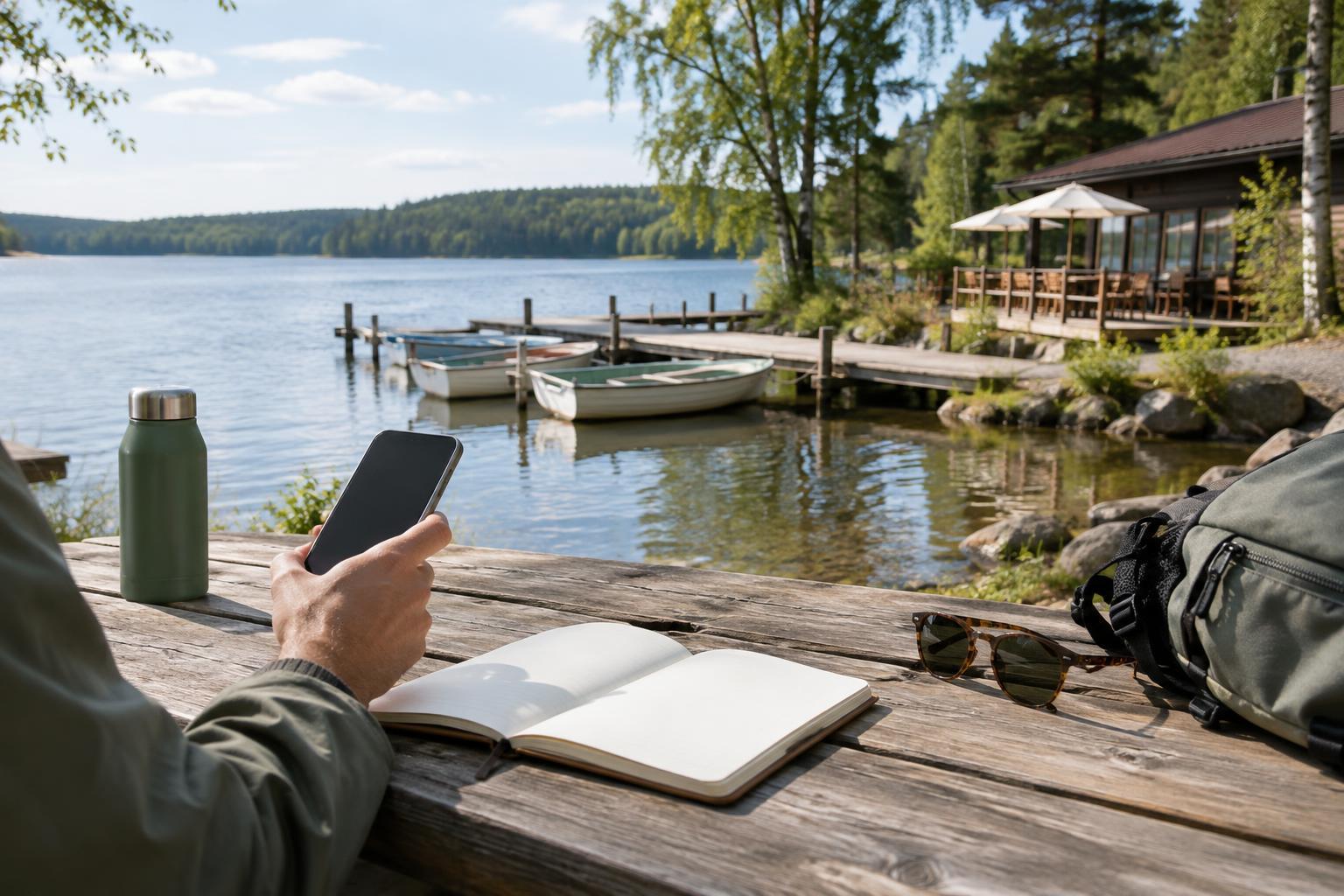
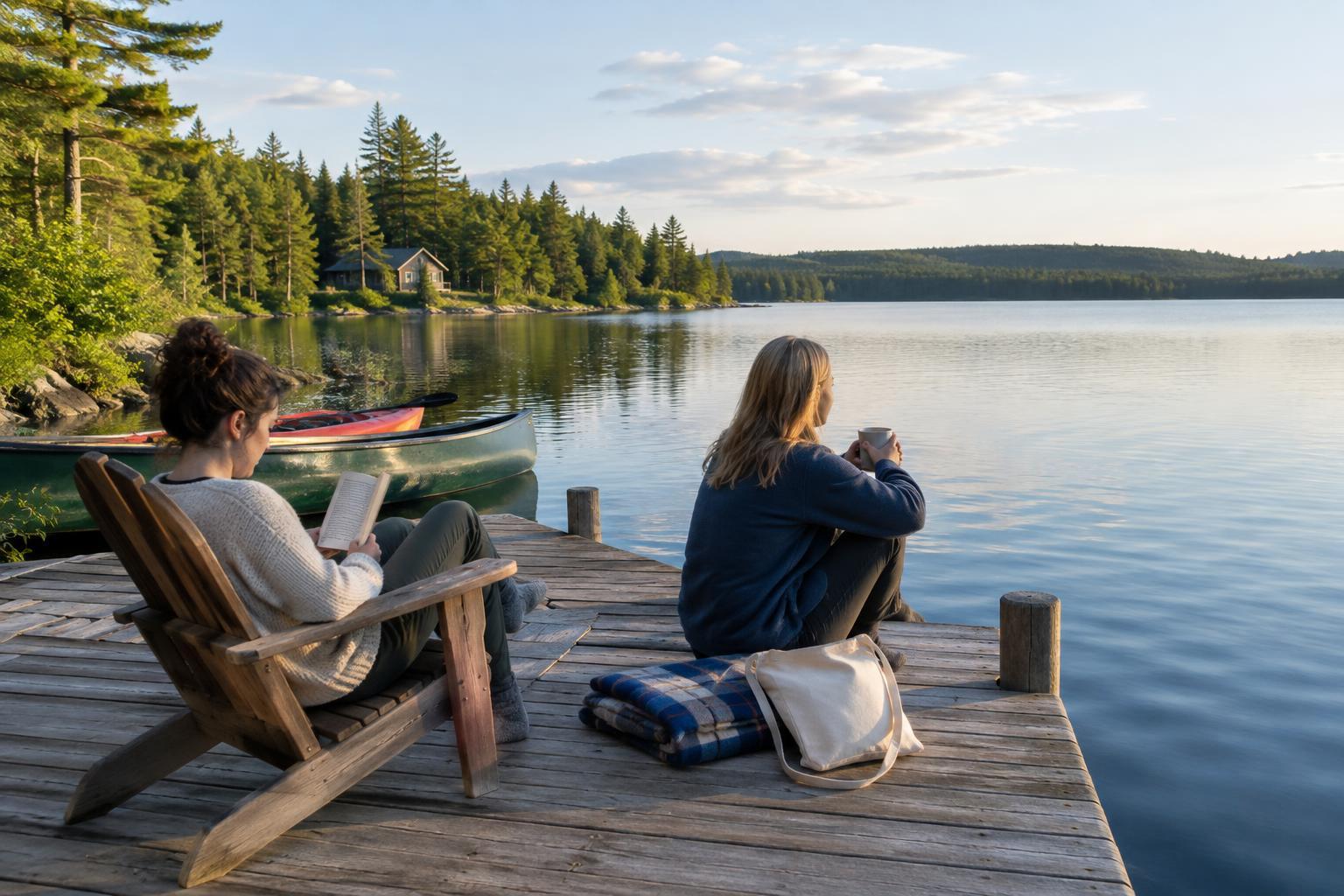
Unplanned time works best when you have a comfortable way to spend it. Pack a book, a simple game or a notebook, and check whether your stay has a porch, a shaded outdoor spot or a pleasant place to sit indoors. These small choices make it easier to relax without reaching for another outing just to fill the afternoon.
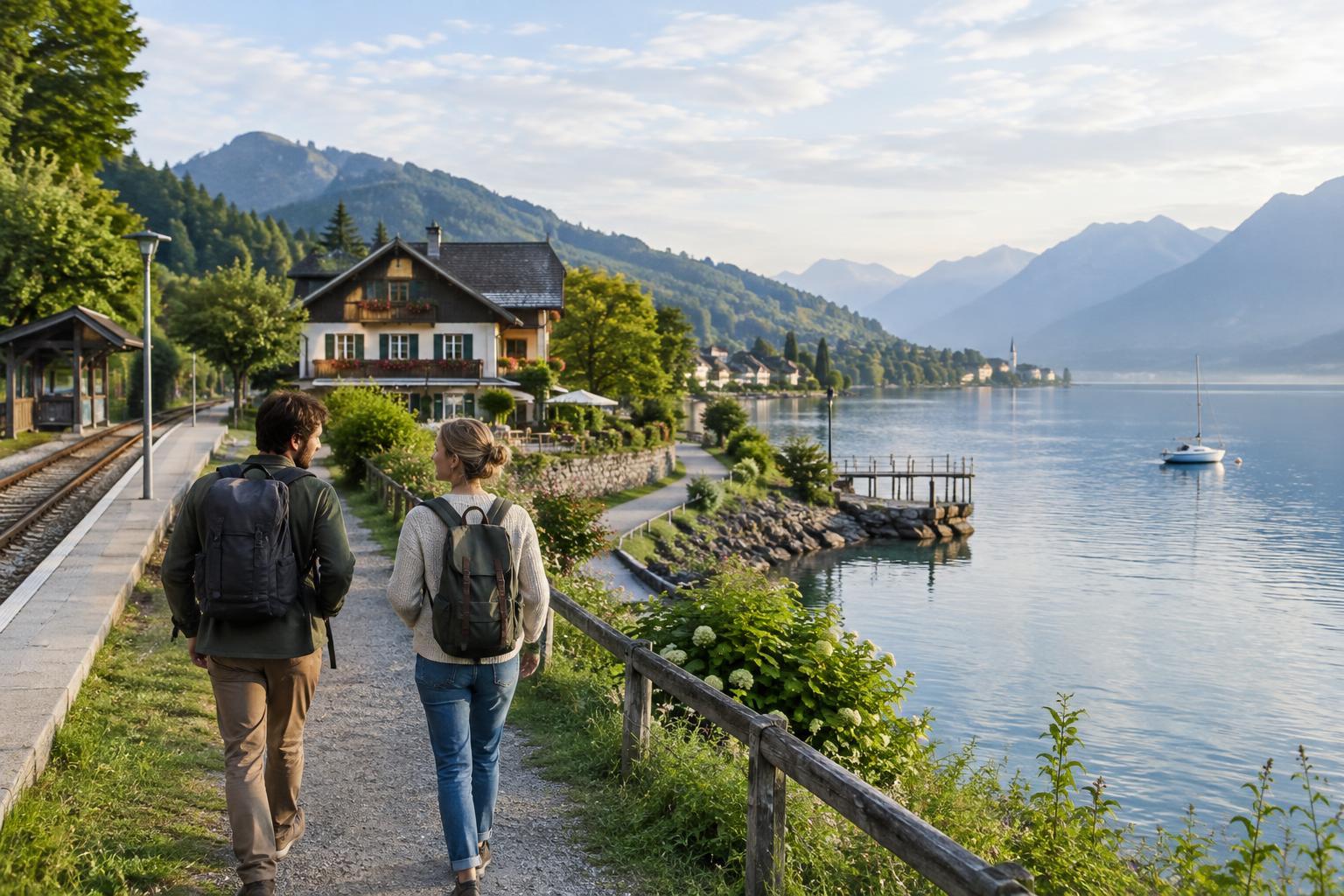
Downtime does not have to mean doing nothing. You might take a slow stroll along an accessible path, watch the light change across the water, or sort through a few photos from the morning. The distinction is that you can stop whenever you like. An open afternoon gives different travelers room to choose their own pace, including someone who would rather rest while others explore.
Meals can create natural pauses, too. A picnic or a simple dinner close to your accommodation may be more relaxing than another drive. Keeping one meal flexible lets you respond to the day you actually had, especially if an outdoor activity left everyone tired.
Plan around conditions, not against them
Lake activities depend on weather, daylight, water conditions and the abilities of the people taking part. Treat an outdoor plan as a preference rather than a promise. Check relevant conditions before heading out, follow local guidance, and have a lower-effort alternative ready if the original idea no longer seems comfortable or suitable.
A useful backup is something you would genuinely enjoy: a sheltered walk, time at the accommodation, or a leisurely meal. It need not match the ambition of the original activity. If a windy afternoon changes your plans for the water, moving a stroll to that time and saving the paddle for a better opportunity may be enough. Sometimes the best adjustment is simply to rest.
Use a light plan on arrival and departure days
Travel days can be less predictable than the full day in the middle of a weekend. On arrival, focus on settling in, finding what you need and enjoying a simple first look at the lake. A short walk or an easy dinner is easier to appreciate than an activity that depends on reaching your destination at an exact time.
Before departure, allow time to pack and check out without rushing. If you want one last lakeside moment, choose something close by that you can shorten easily. Ending with a quiet breakfast or a few minutes by the water may be more satisfying than squeezing in another major outing.
A balanced weekend is not measured by how many activities you complete. It gives the moments you planned enough attention while leaving room for unexpected pleasures: a longer conversation, a lovely view or an afternoon that asks nothing of you.