Start with the time you actually have
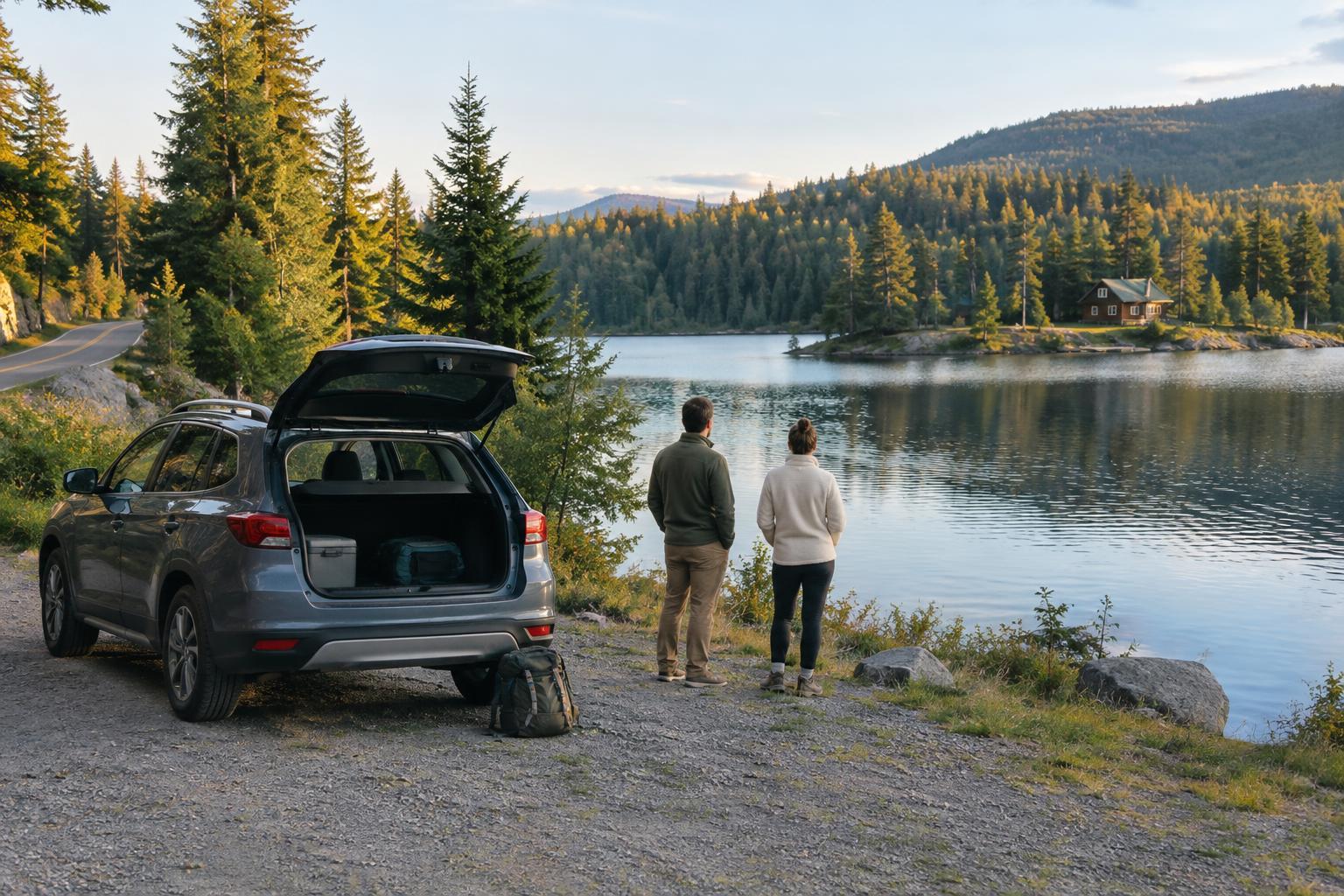
A two-night trip can feel generous until travel, check-in and checkout take their share. Before choosing activities, sketch the fixed parts of the weekend: when you can leave, roughly when you expect to arrive, when your accommodation allows check-in and checkout, and how long the journey home may take. Treat your arrival evening and departure morning as partial days rather than trying to fill them like full vacation days.
Then decide what would make the break feel worthwhile. You might want a quiet place to read, a gentle walk by the water, or time to paddle. Pick one priority to protect if plans change. This gives the weekend a purpose without turning it into a schedule you have to keep.
Give each day a simple shape
For the first evening, plan only the essentials: arrive, settle in and eat. If there is daylight and energy left, take a short walk near your stay to get your bearings. A reservation or a meal you can assemble easily may be more useful than an ambitious dinner plan, especially if traffic or a late start could affect your arrival.
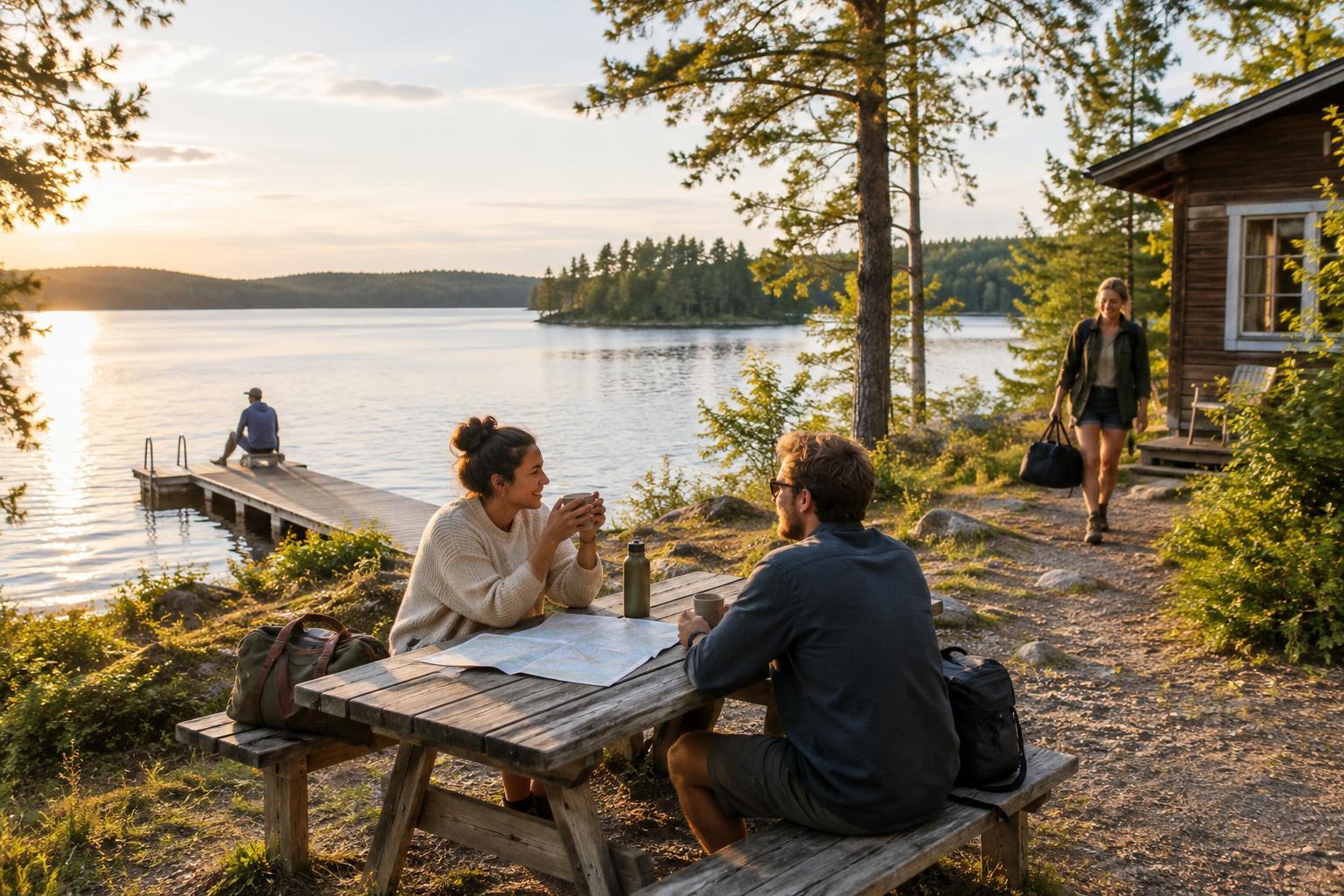
Make the middle day the heart of the trip. Choose one main outing, such as a shoreline trail, a swim where permitted, a boat rental or a visit to a nearby town. Leave open space before or after it for a slow breakfast, an unplanned stop or a rest. On departure day, keep the plan small: coffee with a view, a brief walk or one scenic stop on the way home. The goal is to leave without feeling rushed.
Check the details that can change your plan
A relaxed itinerary still benefits from a few practical checks. Look up access rules and opening times for the places you hope to visit, and confirm whether activities require a booking or equipment. Check how far your accommodation is from the lake access point you intend to use; a view of the water does not necessarily mean there is a public beach or launch nearby. Save directions before you set out in case reception is unreliable.
Build a weather alternative into the day rather than hoping conditions will cooperate. If wind, rain or heat makes time on the water unappealing, you could switch to a sheltered walk, a café, a bookshop or a longer break at your accommodation. For swimming or paddling, follow local guidance and choose conditions and activities that suit your group’s abilities. Flexibility works best when you already know your next comfortable option.
Make food and packing support the pace
Food can anchor the weekend without taking it over. Choose a few likely meal times and decide which meals you want to prepare and which you would rather eat out. If you have a kitchen, a simple breakfast and snacks can make mornings easier. If you plan to use local restaurants, note their hours and whether a reservation would help. Keep some water and an easy snack accessible for the journey and your main outing.
Pack for the activities you have chosen, plus small shifts in temperature and weather. Comfortable walking shoes, a layer for cool evenings, sun protection and a rain layer are often more useful than extra outfits. Add any activity-specific items, such as swimwear or a dry bag, and check what your stay provides before filling the car. A short packing list tied to your itinerary is easier to use than packing for every possible adventure.
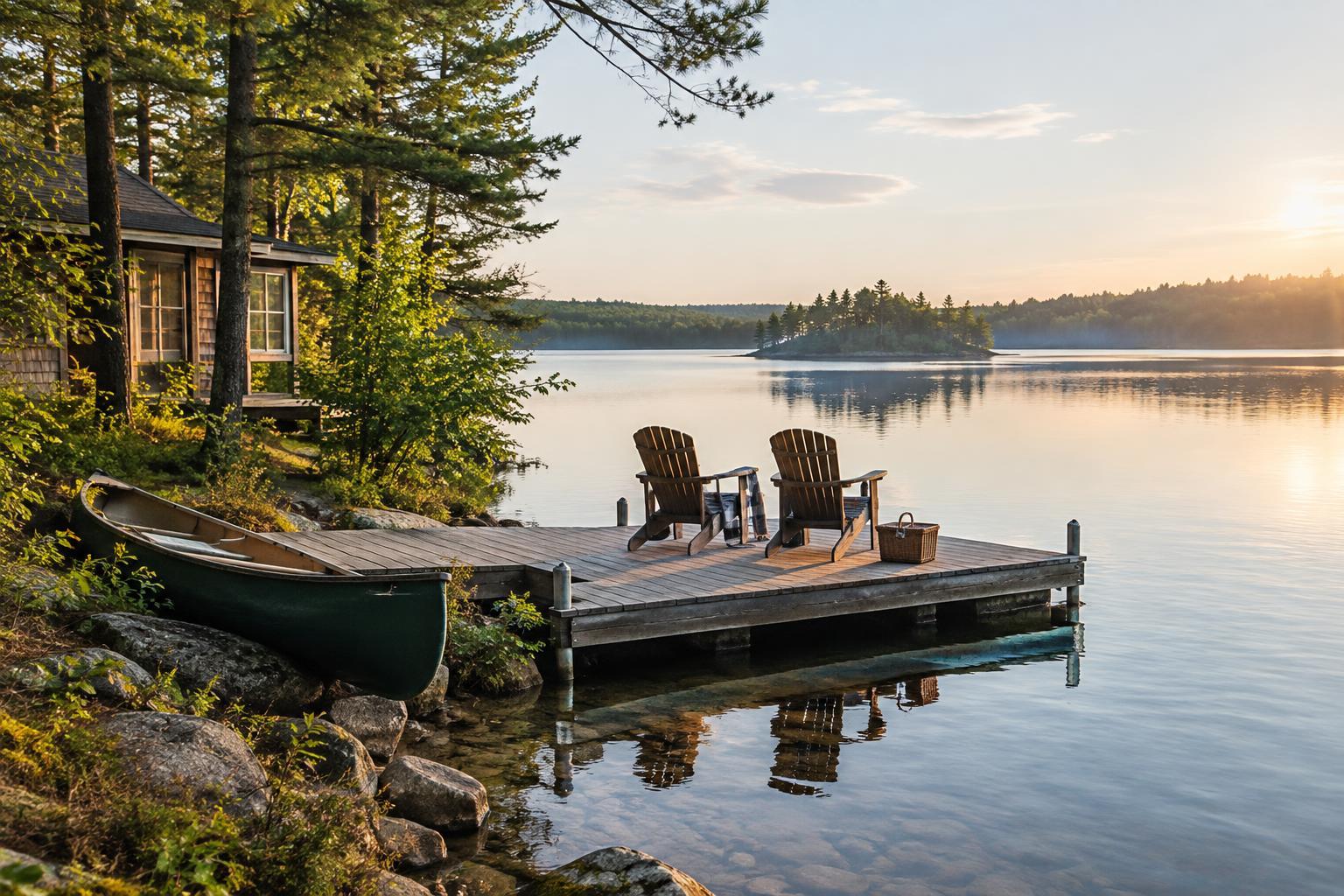
Leave room for the lake to set the rhythm
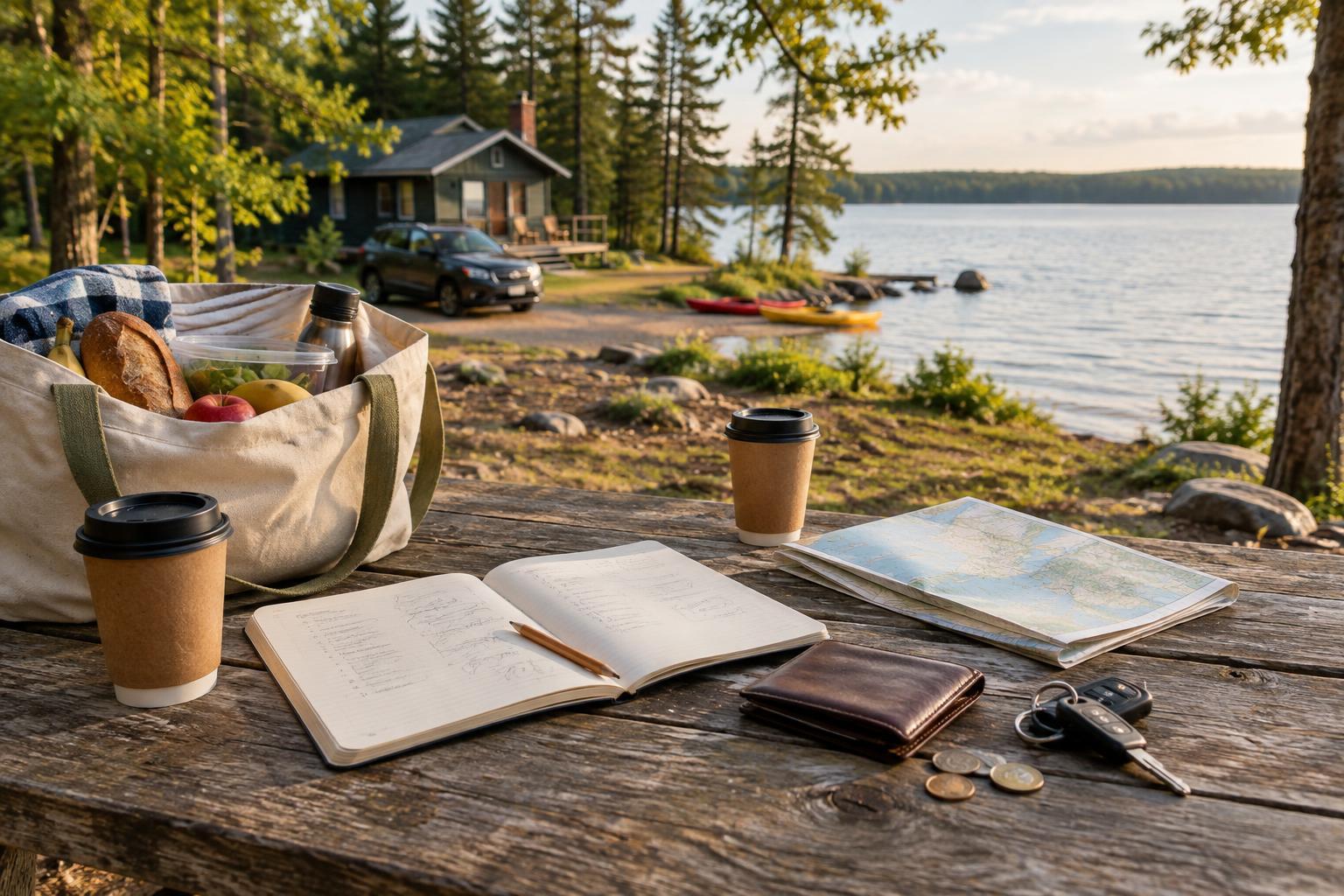
Put your plans in a loose order rather than assigning every hour. A note with your accommodation details, one main activity, a backup idea and a few meal options is usually enough to guide the weekend. If you enjoy taking photographs, set aside a little unhurried time for them instead of stopping the group repeatedly. Morning or evening light may invite a walk, but a cloudy day can be just as good for noticing shoreline textures and quiet details.
Once you arrive, let what you find shape the smaller choices. You might linger over breakfast, shorten a trail or return to a favorite spot instead of seeing somewhere new. A successful two-night itinerary is not a checklist completed; it is a simple framework that helps you spend more of the weekend doing what brought you to the lake.