Start with the hours that shape your arrival
Seasonal hours can affect a lakeside trip long before you reach the water. A park entrance may close earlier than expected, a rental desk may stop taking customers before its posted closing time, or a small restaurant may serve dinner only on certain days. Rather than checking every possible stop at once, begin with the hours that could change where you go or when you leave home.
Write down your expected arrival time and identify the places you need to access that day: your accommodation, parking area, park gate, and dinner option. For a late arrival, confirm the lodging check-in procedure rather than assuming someone will be at a desk. If you plan to launch a boat or enter a managed recreation area, check its access hours separately from the hours of any nearby visitor center. One listing may not cover every facility.
Use the right source for each place
Start with the official website or direct listing for each park, marina, rental provider, restaurant, or accommodation. Look for pages that distinguish regular hours from seasonal schedules, holiday hours, and temporary notices. A search result or map listing can help you find a place, but its displayed hours may not reflect a recent change. Social posts can offer clues, though they are best checked against a direct update from the operator.
If the information is unclear, contact the place that sets the hours. A short call or message can answer a precise question: “Will the kayak rental desk be open when we arrive on Saturday afternoon?” Ask about the last time to start an activity, not just the closing time. For dining, ask when the kitchen stops taking orders if you expect to eat late. Keep any confirmation with your trip notes so you do not have to repeat the search on the road.
Check the details behind the posted schedule
“Open” can mean different things around a lake. A public shoreline might remain accessible while restrooms, concessions, or equipment rentals operate on shorter schedules. A trailhead may be open while a gate-controlled parking lot closes at a set time. Look at each part of your plan as a separate service, especially if you are counting on it for food, transport, equipment, or a place to park.
Also check the date and day of the week that apply to your visit. Hours can differ between weekdays and weekends or change around holidays and the shoulder seasons. If your weekend includes travel across a time-zone boundary, make sure your arrival estimate uses the local time. For reservations, read the terms alongside the hours: a rental or guided activity may require advance booking even when its desk is open.
Build a weekend plan that can bend
Once you know the firm limits, put the least flexible activity in the most reliable time slot. If a rental window is short, plan it before an unhurried lakeside walk. If you want a particular dinner stop, check its schedule before relying on it after sunset. Leave space between travel, check-in, and timed activities; traffic, a longer meal, or a slow morning can otherwise turn a pleasant itinerary into a race.
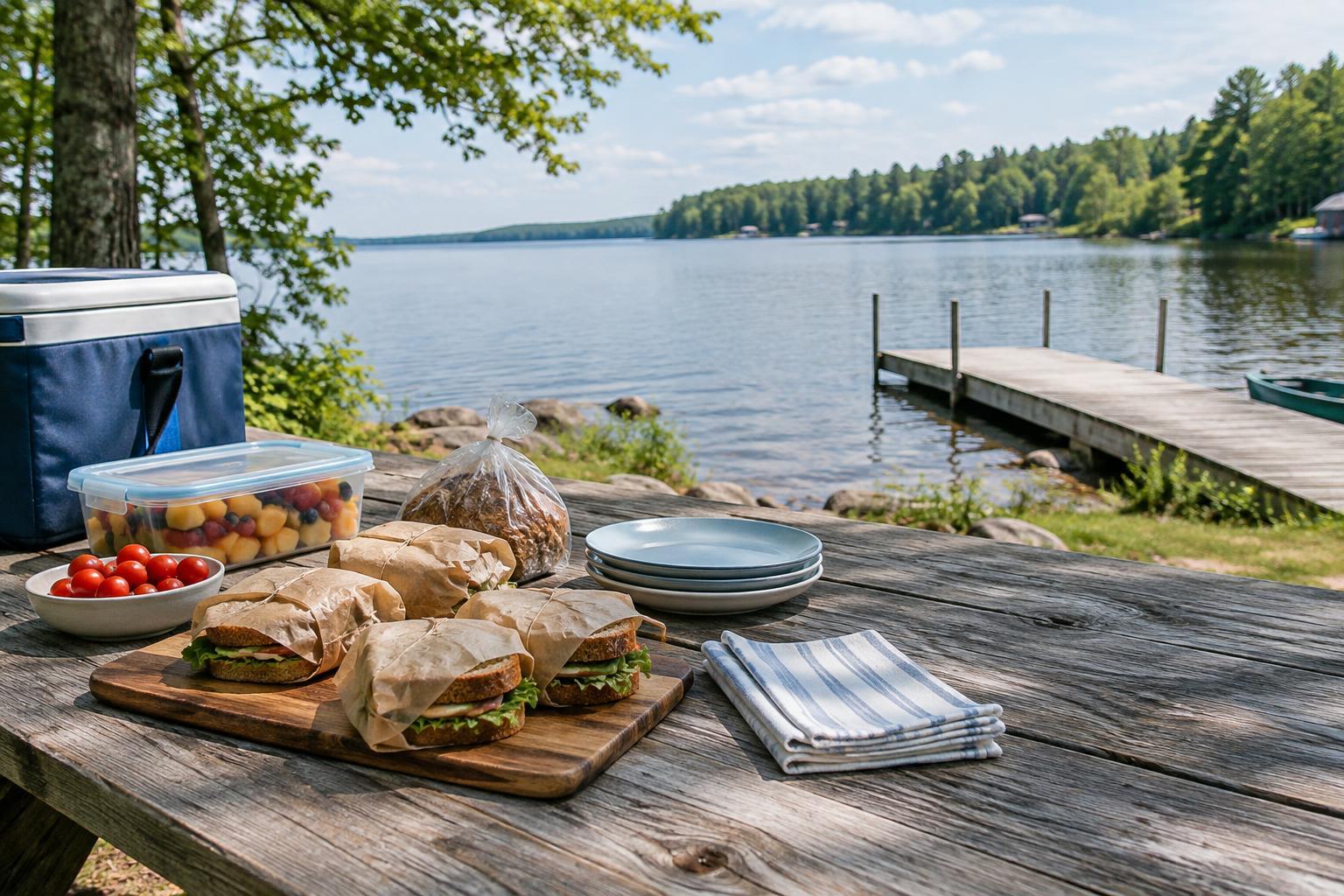
Give each essential stop a simple backup. That might be a second place to eat, a walk that does not depend on a rental desk, or groceries for an easy meal at your accommodation. A backup need not be equally ambitious. Its job is to preserve the mood of the weekend when a closure, full booking, or change in weather makes your first choice impractical.
Do one final check before leaving
Revisit key hours shortly before departure, particularly for outdoor activities and small seasonal businesses. Weather and staffing can affect operations, and an earlier confirmation is not a guarantee that plans will remain unchanged. Check for direct updates, then call if a stop is important and the available information conflicts.
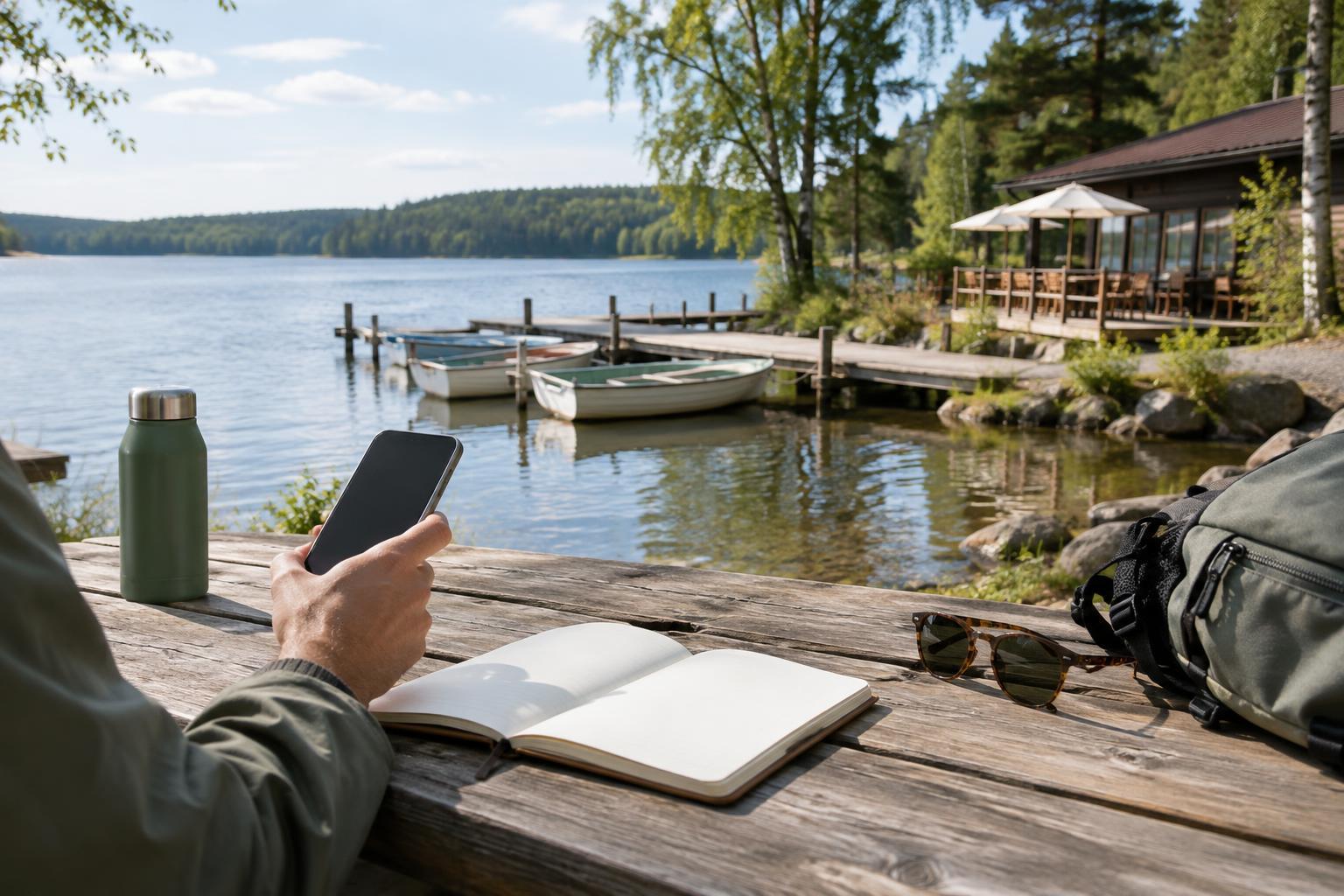
Save the essentials somewhere easy to reach: addresses, contact details, reservation information, check-in instructions, and the hours you verified. A brief note on your phone works better than trying to reconstruct several searches with a weak signal. With the practical details settled, you can leave room for what makes a lakeside weekend worthwhile: a slower morning, an extra hour by the water, or an unexpected stop along the way.