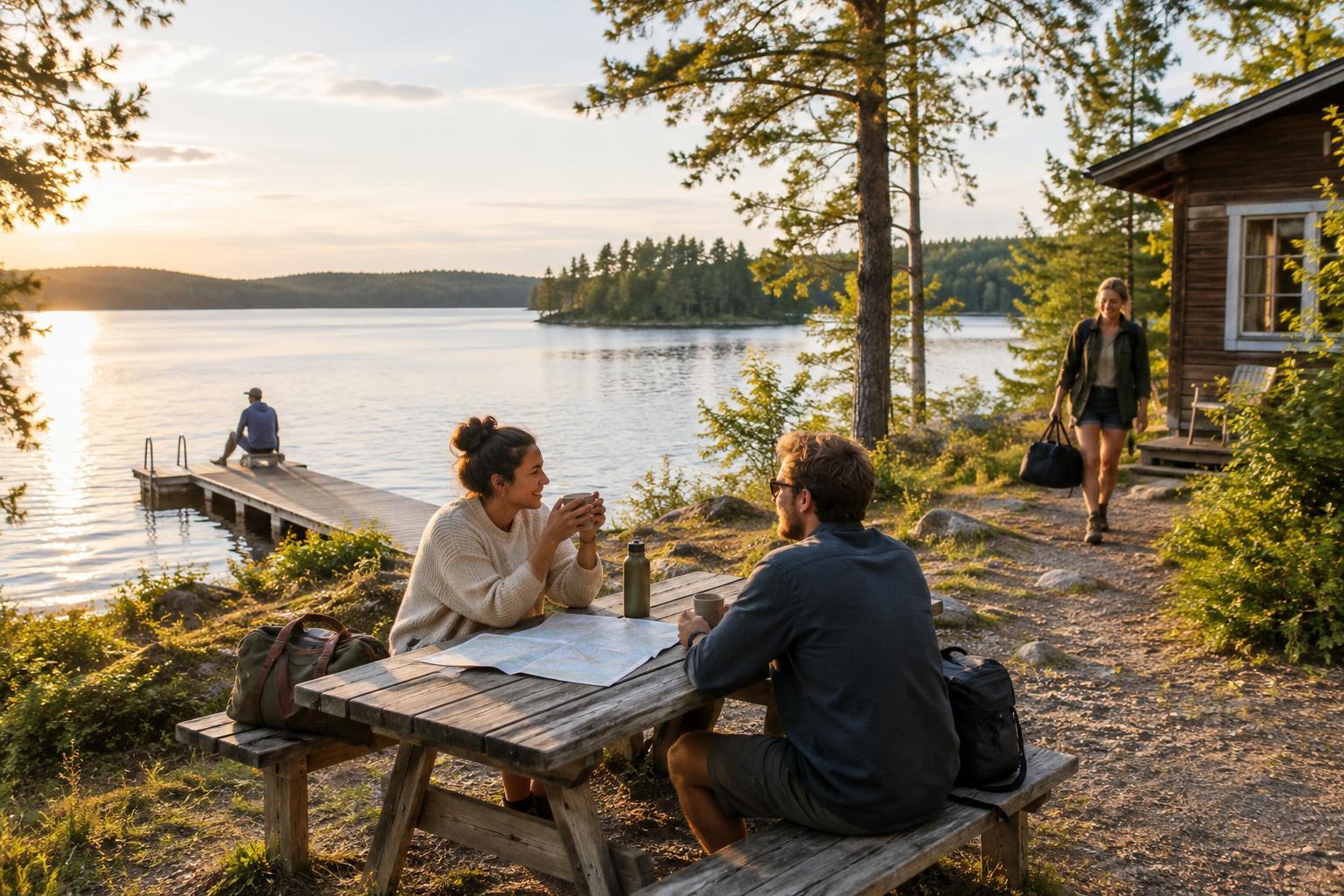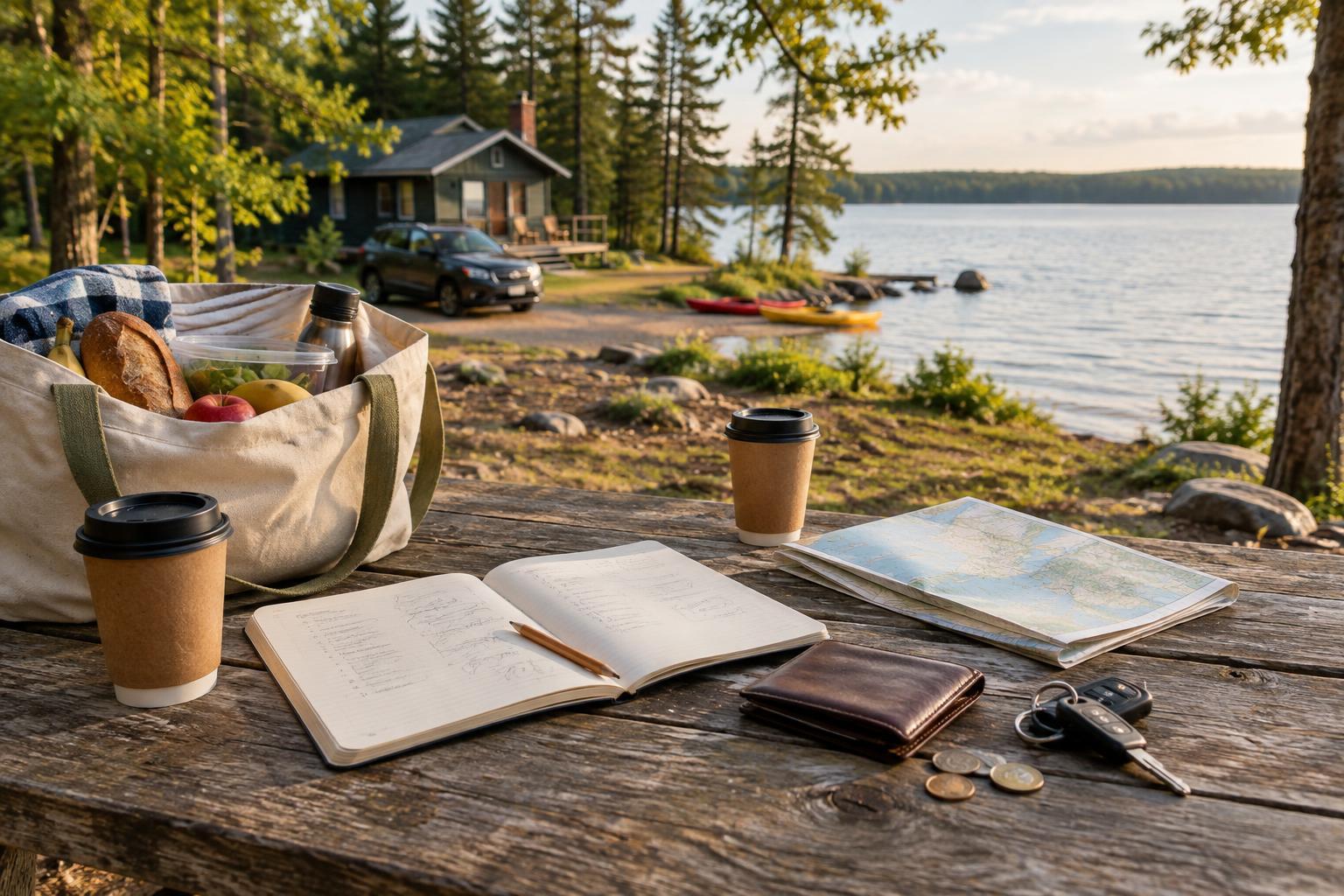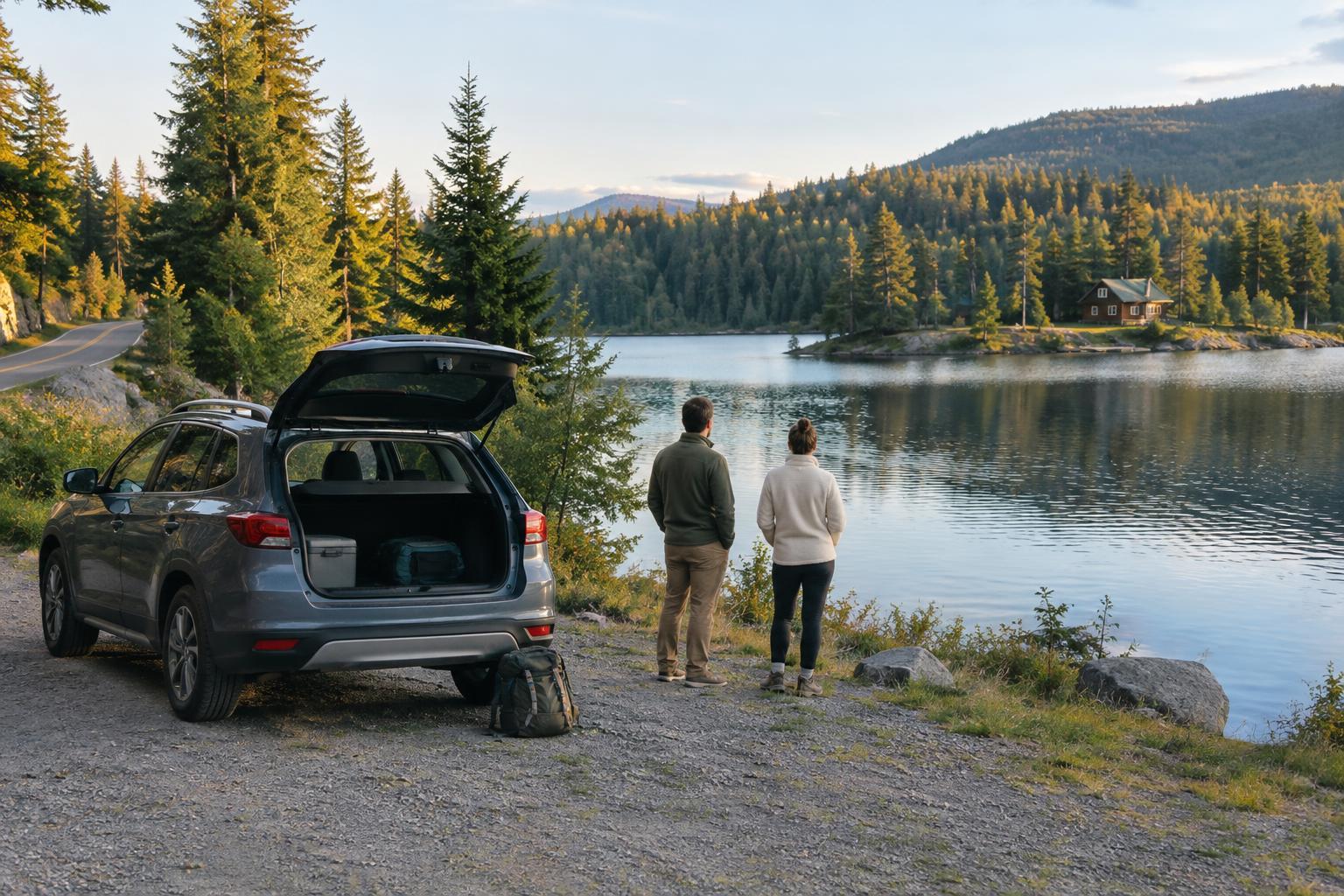
Start with the weekend you want
The best lake for a weekend is not necessarily the nearest or the most scenic. It is the one you can reach without using up the energy you hoped to spend outdoors. Before browsing destinations, picture your ideal arrival. Do you want time for a waterside walk before dinner, or would you be content to check in and rest? Your answer gives you a more useful driving limit than a fixed radius on a map.
Think about the people traveling with you, too. A drive that feels easy for two adults sharing the wheel may feel long with young children, a dog that needs regular stops, or a passenger who finds winding roads uncomfortable. If you are traveling alone, allow for the fact that every mile and every decision is yours. Choose a distance that suits this particular weekend, rather than the distance you could manage on a longer holiday.
Estimate the whole journey, not just the drive
A map’s driving estimate is a starting point. Add time for packing the car, fuel or charging, food, rest stops, and the final stretch from the main road to your accommodation. Roads near lakes may be slower than highways, and an unfamiliar turnoff is easier to handle when you are not rushing. Check your likely departure time as well: leaving after work can make the same journey feel very different from setting out on a quiet morning.
Now work backward from what you want to do on arrival. If you hope to paddle or walk before sunset, you will need time to check in, change clothes, and find the access point. If that makes the schedule tight, either choose a closer lake or save the activity for the next morning. An unhurried evening beside the water can be a better start than squeezing in an outing because it appeared on the itinerary.
Look beyond the lake’s name
A large lake may have several towns and access points, each with a different journey and atmosphere. One shore might put you near a public beach and casual places to eat; another might offer a quieter stay but require more driving whenever you want supplies or activities. Compare the location of your accommodation with the things you actually plan to do, not just its distance from home.
Before settling on a place, check practical details: where you can access the water, whether parking is available, what an activity requires, and how far you will be from a meal or groceries. If a particular swim area, trail, or boat rental matters to your trip, confirm its arrangements directly before you leave. A lakeside address does not always mean there is public access next door. Keeping your plans flexible will help if weather changes or you decide that a slower day sounds better.
Give the stay room to breathe
For a short break, a convenient base can be more valuable than a packed list of attractions. Look for a stay that supports your usual rhythms: somewhere to have breakfast at your own pace, space to dry a jacket, or a comfortable spot to read if the weather turns. Check arrival and departure times before booking, especially if you are counting on a full first evening or a leisurely final morning.
Build your itinerary around one main outing each day, with optional stops nearby. You might spend a morning on a trail, an afternoon browsing a lakeside town, and an evening watching the light change from the shore. Leaving gaps is not a failure to plan. It makes room for a longer lunch, a second walk, or simply doing nothing for a while.
Plan the drive home before you commit
The return trip is part of the weekend, not an afterthought. Consider when you will check out, whether you need to pack up wet gear, and how rested you are likely to feel after your planned activities. A destination can be a comfortable choice on Friday and an exhausting one on Sunday if you expect to fit in a full day outside before a long drive home.
Try comparing two or three possible lakes against the same simple questions: Can we arrive without rushing? Is what we want to do close to where we will stay? Can we leave enough energy for the journey back? If a farther option wins on scenery but loses on every practical point, keep it for a longer trip. A nearby lake with time to settle in may deliver more of what a weekend away is for.