Start with the activity, not just the lake
A promising blue shape on a map is only the beginning. A public trail may offer lovely water views but no route to the shore. A boat ramp may welcome paddlers while offering little space for swimming. Before choosing a destination, decide what you want to do: walk beside the water, get in it, or launch a kayak or canoe. That question will help you search for the right kind of entrance.
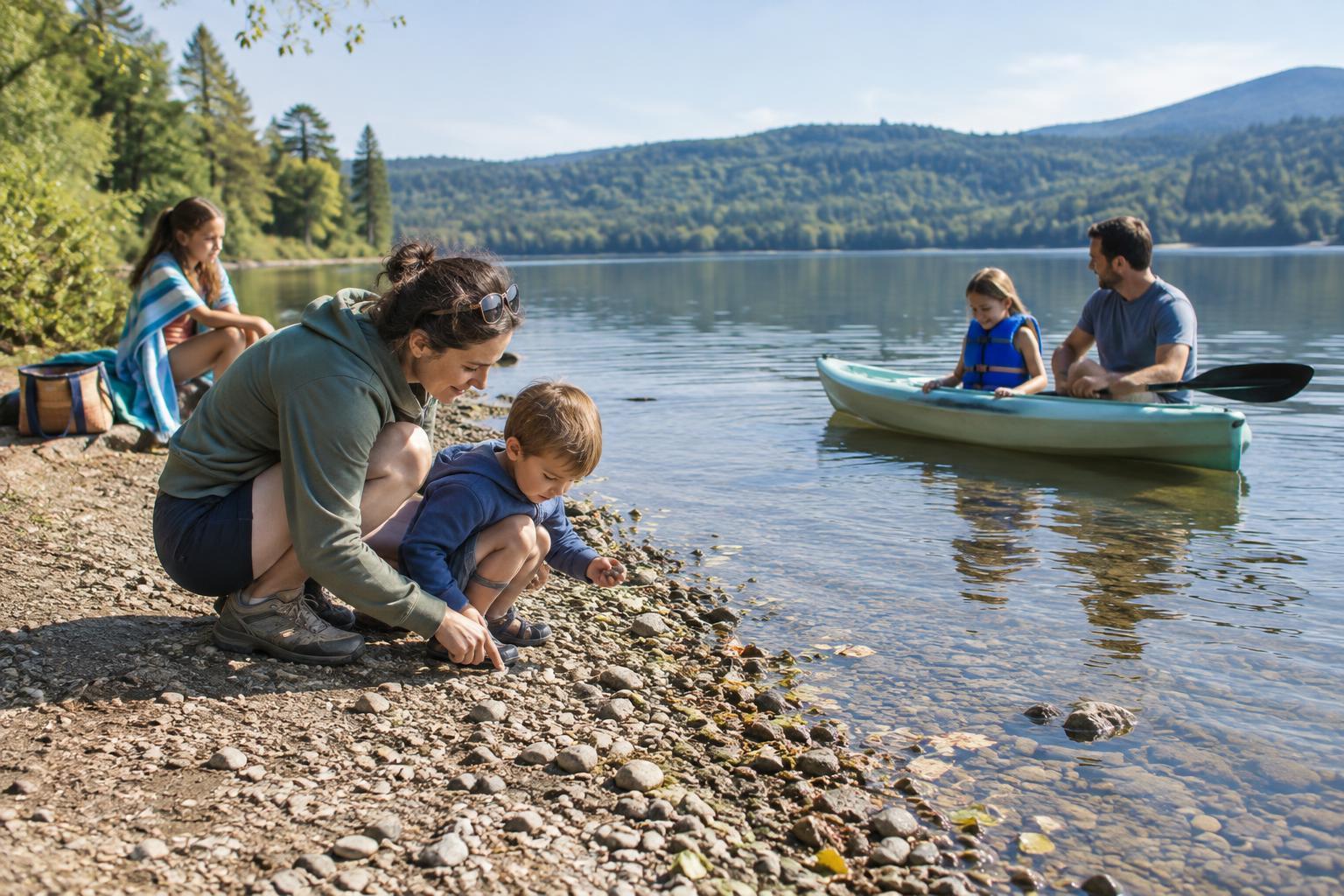
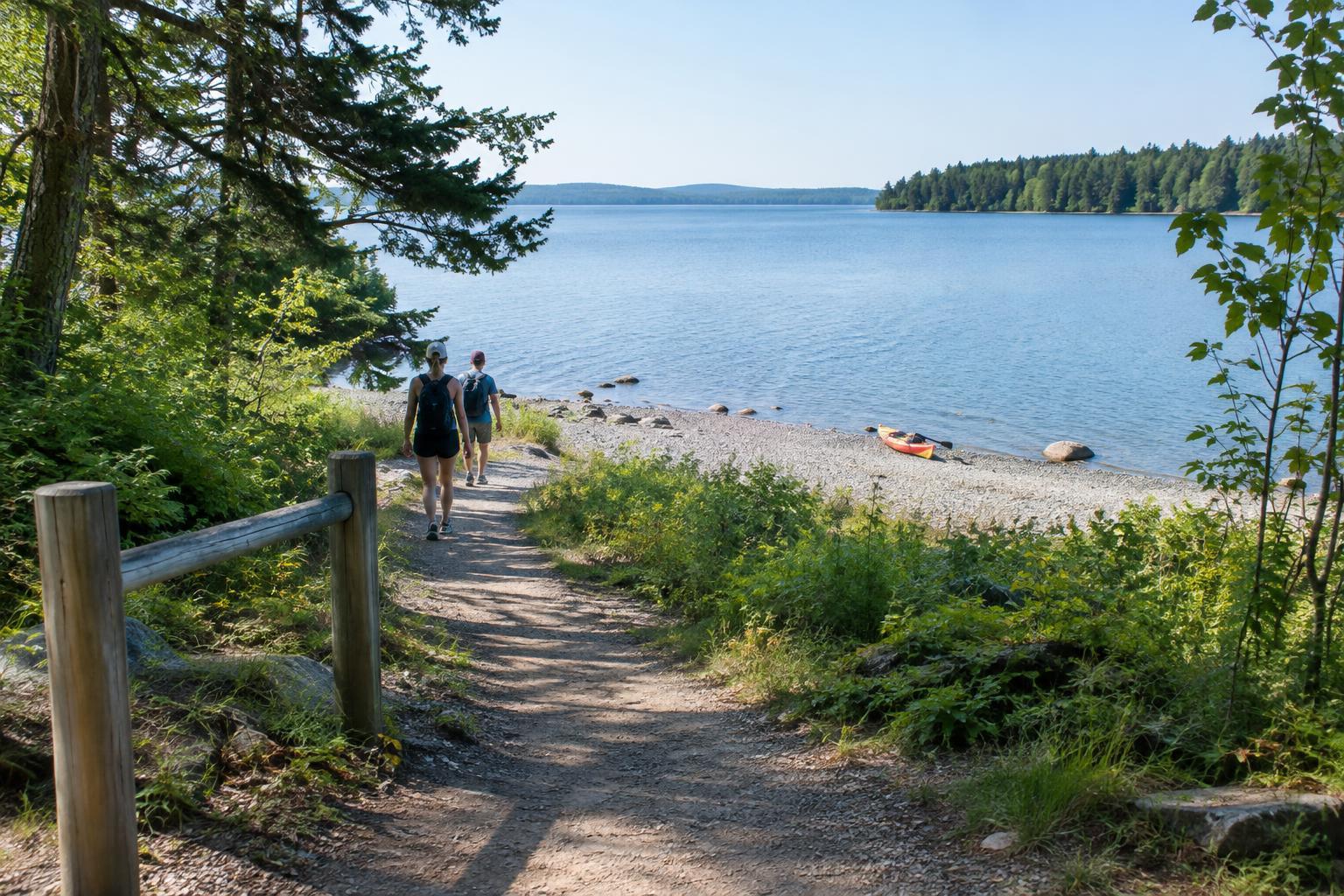
For a walk, look for parks, nature preserves, shoreline trails, and public paths. For swimming, look for a designated beach or swimming area rather than assuming any open bank will do. For paddling, look for a public launch and check whether it suits a hand-carried craft. One lake can have several access points with different rules, facilities, and distances from the water.
Find the entrance and confirm it is public
Begin with maps from the agency that manages the lake or surrounding land, such as a parks department or public-land authority. Its visitor information may identify entrances, trails, beaches, launches, parking areas, and seasonal restrictions. A general map is useful for orientation, but a pin labeled with the lake’s name may point to its center, a private road, or an entrance that does not serve your activity.
Read access descriptions closely. “Public lake” does not necessarily mean every stretch of shoreline is open to visitors, and a road that appears to reach the water may cross private property. Check for a named park, trailhead, beach, or launch with clear visitor directions. If the route remains uncertain, contact the managing agency before setting out. Once there, follow posted signs, stay on marked routes, and respect gates and property boundaries.
Check rules and practical details before you go
Confirm the details that could change the day: opening hours, entrance or parking fees, reservation requirements, pet rules, and whether the access point is seasonal. Look separately for activity rules. Swimming might be limited to a marked area or prohibited altogether; paddling may be restricted at certain launches or require a permit. Check the guidance for your destination rather than relying on what is allowed at another lake.
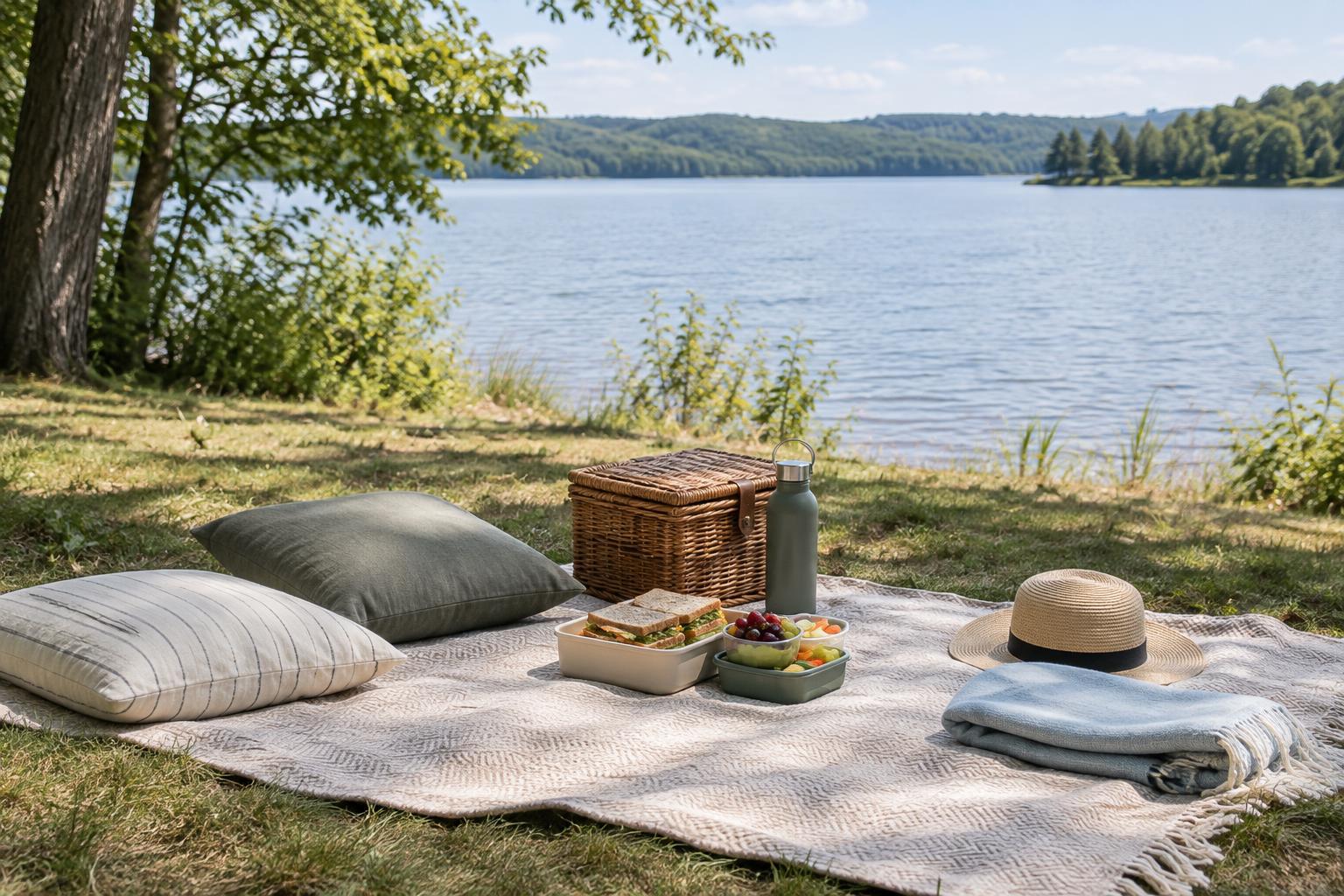
Small conveniences matter on a relaxed outing. Find out whether there are restrooms, drinking water, shade, picnic spots, and a place to change. For paddling, note how far you must carry your boat from parking to shore and whether the launch has steps or a steep bank. For walking, check trail length and surface. If anyone in your group needs step-free access, seek a specific accessibility description rather than assuming a paved parking lot continues to the water.
Match the access point to the day’s conditions
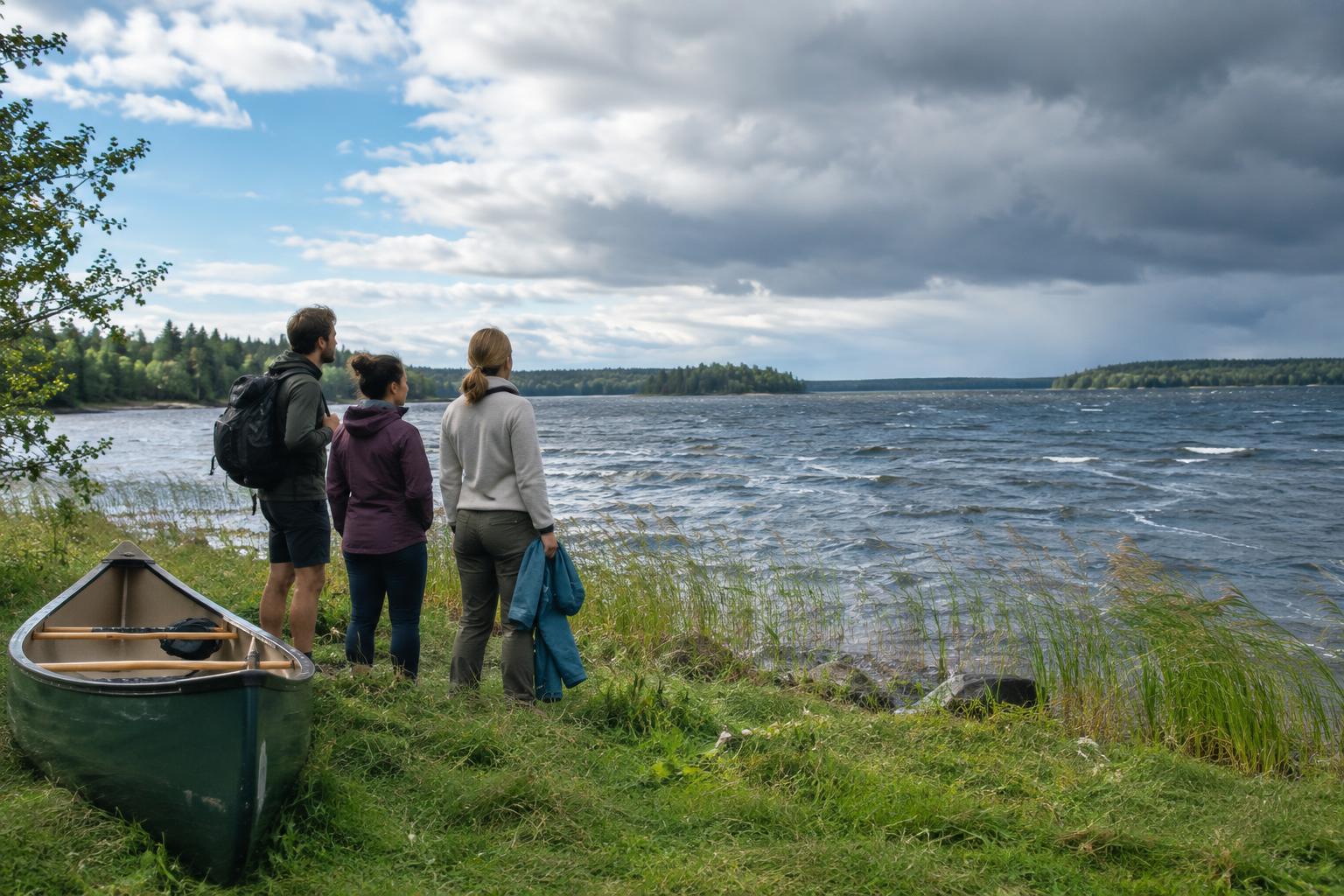
Before leaving, check the forecast and any notices from the lake manager. Wind can make a short paddle tiring, while rain may leave trails muddy or affect conditions at a swimming area. Water levels can change how easy it is to use a launch or reach a shoreline path. If an area is closed or conditions look unsuitable, choose another access point or a different activity rather than trying to make the original plan work.
At the lake, take a moment to assess what you see. A marked swimming area is a better choice than an unfamiliar bank where depth and underwater hazards are unclear. Paddlers should wear an appropriate personal flotation device, keep an eye on the weather, and choose a route suited to their experience. Walkers should allow time to return before the site closes. If conditions differ from what you expected, a shorter visit can still be a good one.
Keep a simple backup plan
Save the exact name and location of your intended entrance, plus one alternative nearby. Download directions if mobile service may be unreliable, and note whether parking is limited. A small day bag with water, sun protection, suitable shoes, and a towel or dry layer can make it easier to switch from a beach visit to a shoreline walk if plans change.
The best public access point is not always the closest one. It is the place where you can arrive legally, understand what is permitted, and enjoy the water without a complicated search for the shore. A few checks before departure leave more of the day for the part you came for: walking, swimming, or paddling at an easy pace.