Pack for the trip you have planned
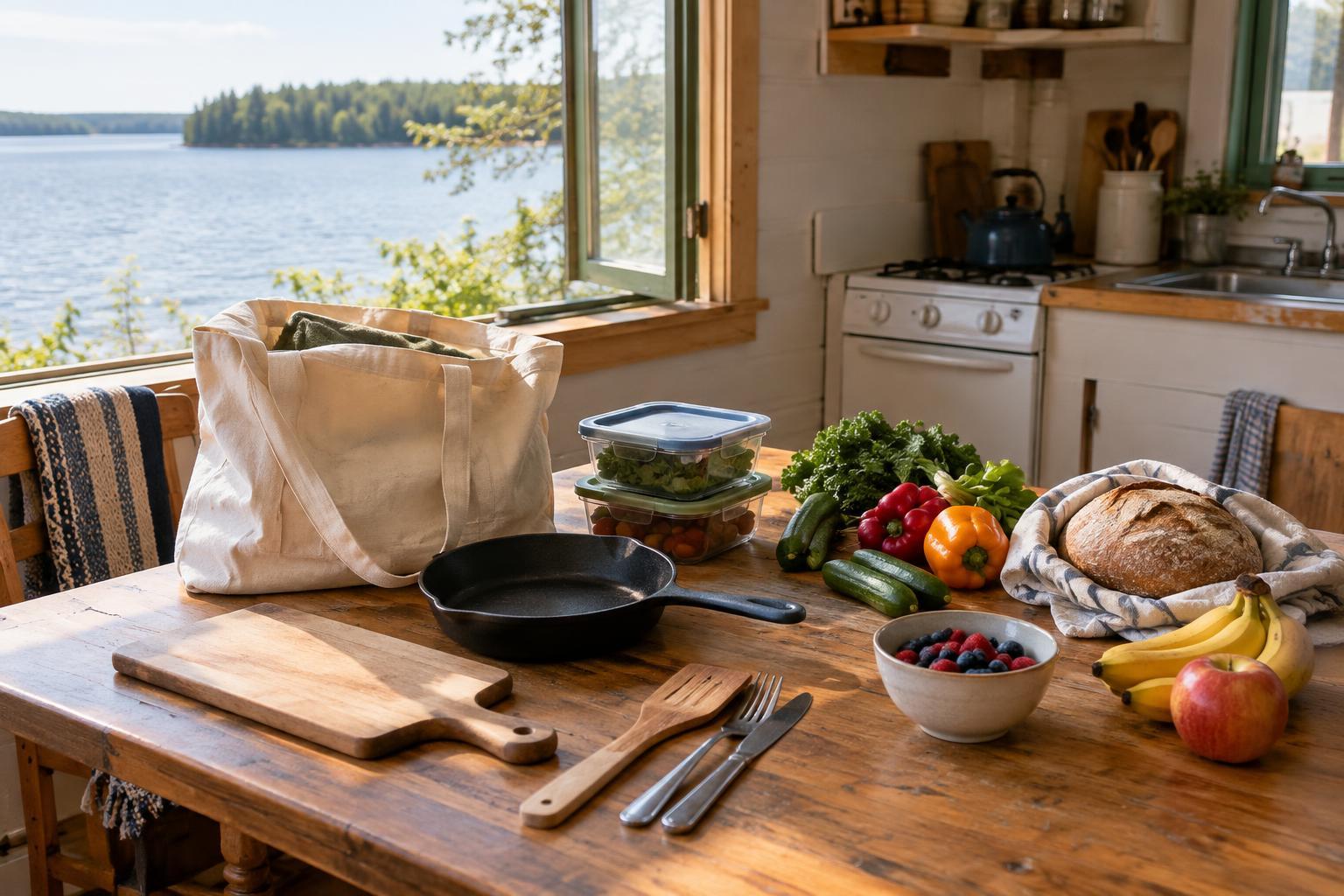
Start with your itinerary, not the trunk. A weekend spent walking by the shore and eating in town needs a different load from one built around paddling or picnics. Check what your accommodation provides before packing towels, bedding or bulky kitchen supplies. Then make a short list for each activity and remove anything that has no clear use. In a small car, an extra bag can quickly become the bag that blocks everything else.
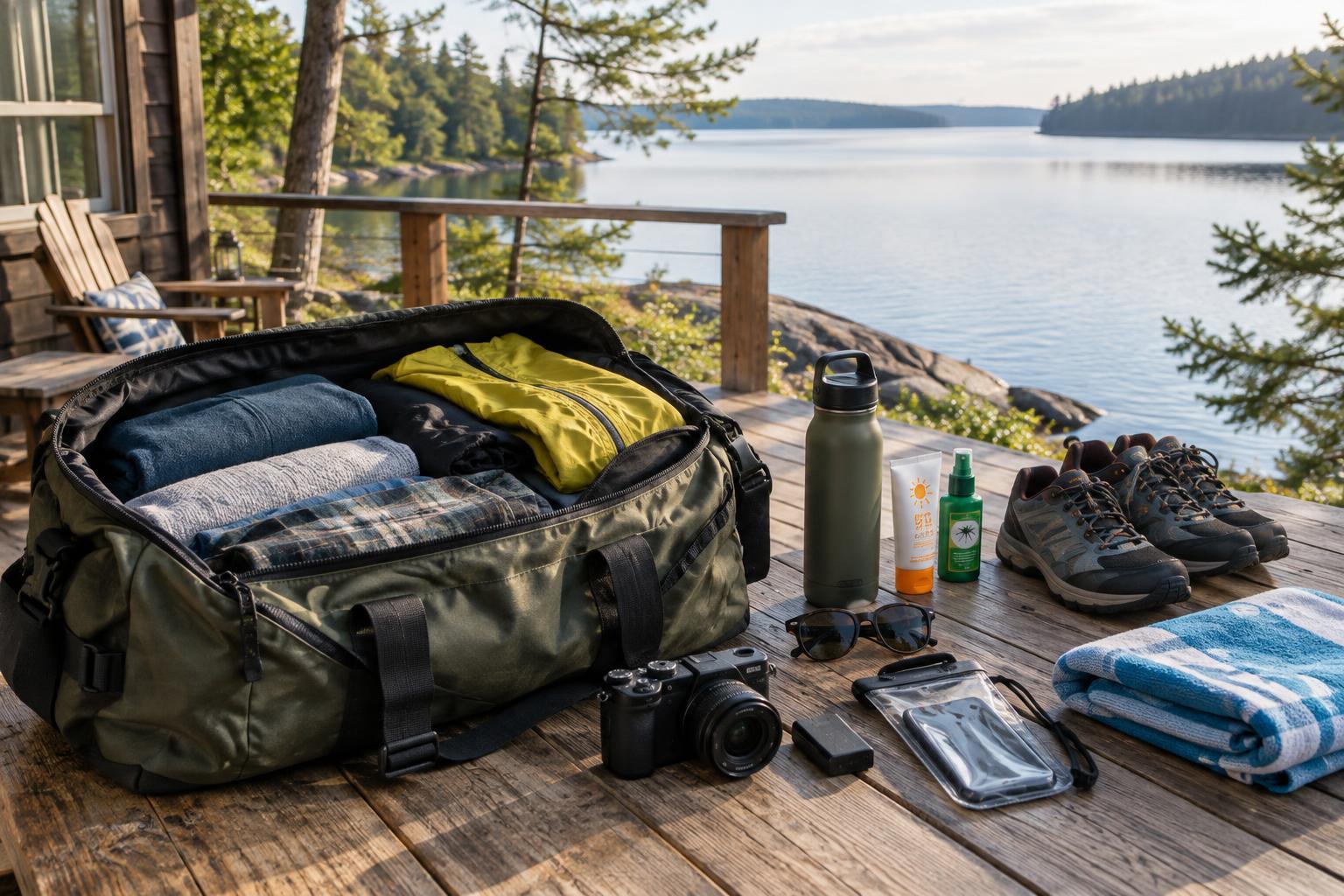
Keep clothing compact and flexible. One soft bag per person is usually easier to fit around other items than several rigid suitcases. Pack layers for cooler mornings and evenings, a change of shoes if you expect muddy paths, and a separate bag for damp swimwear. If you are bringing shared items such as sunscreen, a picnic blanket or a first-aid kit, assign each one a home so nobody has to search multiple bags at the lake.
Give the car simple storage zones
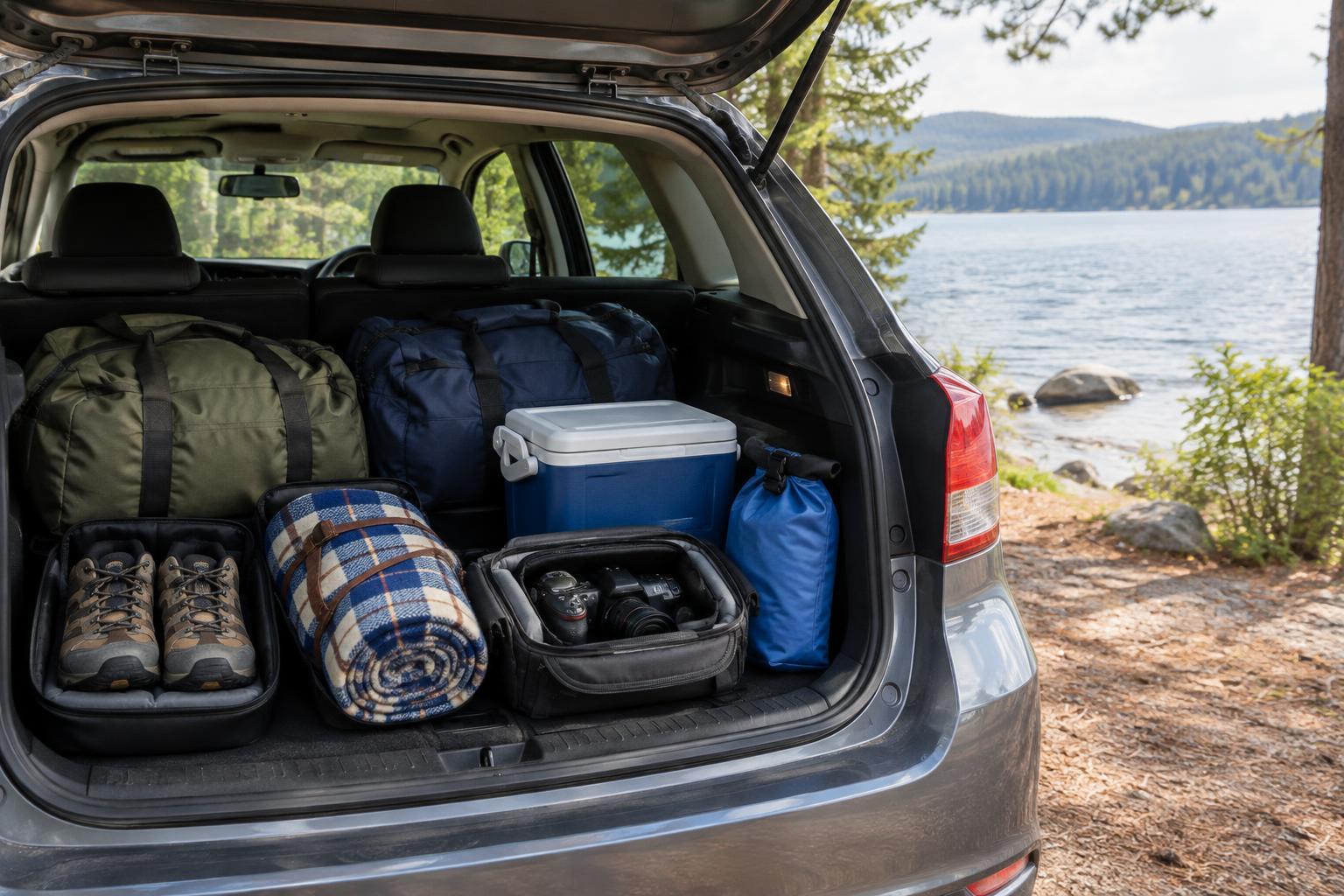
Before loading, divide the car into three zones: things needed during the drive, things needed at the first stop, and things that can wait until arrival. Keep travel documents, water, snacks, a phone charger and sunglasses within easy reach of a passenger. Put the first-stop bag near the trunk opening; it might hold walking shoes, a light layer and a towel. Overnight bags can sit farther back if they will not be opened until check-in.
Use small pouches or packing cubes inside larger bags to prevent loose items from spreading through the car. A pouch for charging cables and another for personal essentials are easier to move than a collection of individual objects. Keep keys, wallets and phones in a consistent place when you stop. This matters most on a short trip, when repeated stops can turn a tidy car into a jumble.
Load for stability and easy access
Place heavier bags low and secure them so they cannot slide when you brake or turn. Lighter items can go above them, provided the load does not obstruct your view through the windows or mirrors. Keep the driver’s footwell clear, and do not leave objects loose on a rear shelf. If you fold a seat to make room for long gear, make sure the remaining passengers still have proper seating and seat belts.
Think through the order in which you will unload. A cooler for a roadside lunch should not be trapped under all the luggage, while the bag you need only at your stay can go deeper in the trunk. Pack gear with awkward shapes first, then fit soft bags around it without forcing the hatch closed. Check your car’s guidance for load limits and for securing any roof-mounted equipment rather than assuming that unused space can safely carry more.
Keep wet, sandy and food items contained
Lake days bring back more than you took out: damp towels, sandy shoes and sometimes muddy outdoor gear. Carry a reusable waterproof bag or lidded container for wet items, plus a small bag for litter. A spare towel or washable mat in the trunk can protect upholstery while you change shoes. Keep dry clothes and camera equipment away from the wet zone, and empty damp bags promptly when you arrive rather than letting them sit packed overnight.
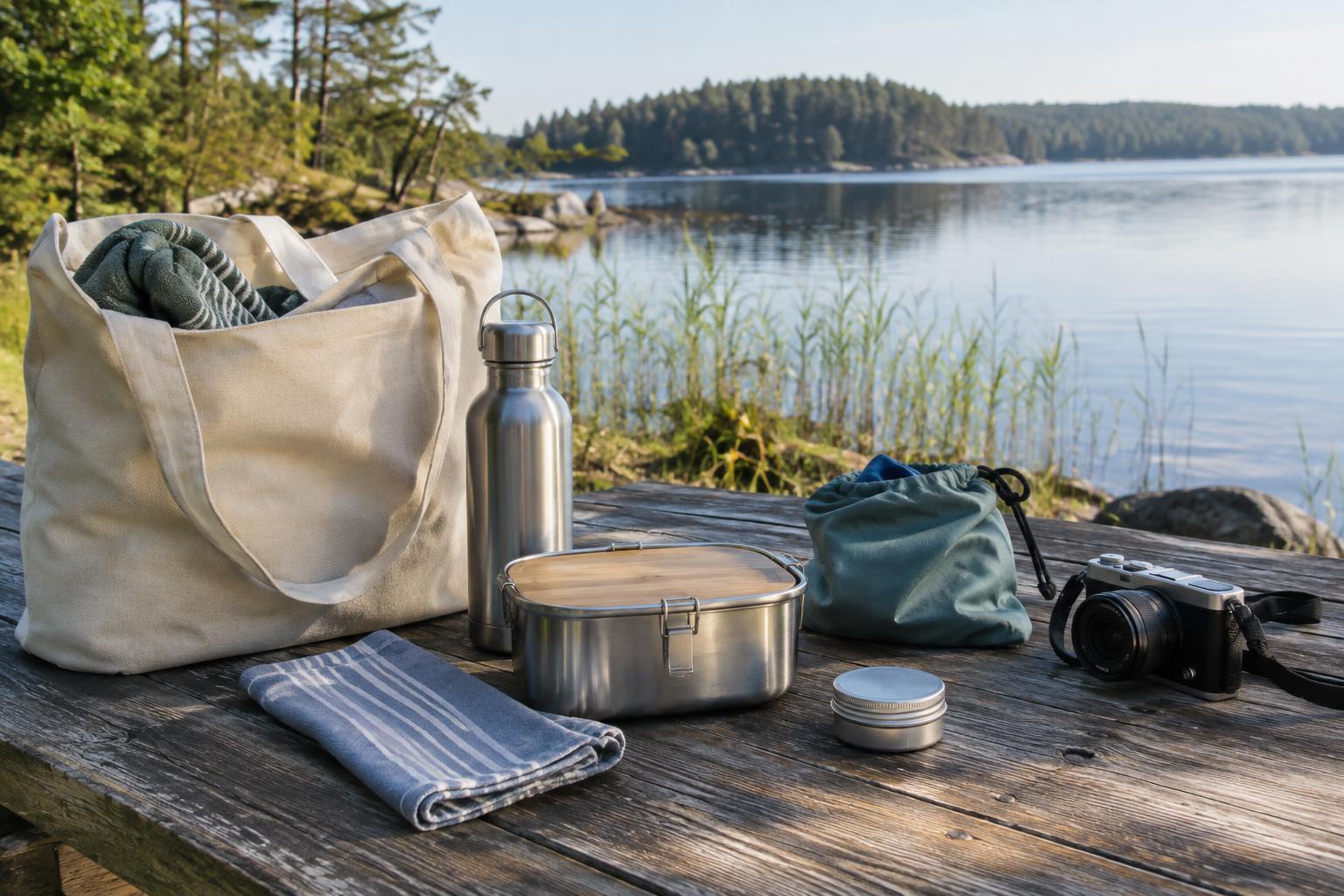
If you bring a cooler, choose one that fits securely without crowding passengers or blocking access to essentials. Pack it so the food you plan to eat first is near the top, and keep it closed between stops. Put reusable cups, napkins and any picnic utensils together in one small tote. That way, a quick lakeside break does not require unpacking the entire car.
Make photography gear quick to use, but easy to protect
You do not need a large camera bag to photograph a weekend away. A phone, a compact camera or one camera with a versatile lens may be enough for shoreline walks and details around your stay. Keep your chosen device, a clean cloth and a charged power bank together in a small pouch. If you expect to stop at a viewpoint on the drive, place that pouch where a passenger can retrieve it after the car is parked.
Before leaving the car, take a moment to check the seats and floor for visible valuables. Bring photography gear with you when practical, particularly during longer stops, and avoid leaving sensitive devices in a hot parked car. At the end of each day, return cables and accessories to their pouch and put used towels in the wet bag. A brief reset makes the next morning’s outing easier—and helps the small car feel like part of the break rather than a storage puzzle.