Start with a loose shape, not a packed schedule
The temptation when planning a short break is to fit in every trail, beach and scenic stop. With young children, a better goal is one satisfying outing each day. Choose a main activity that feels worth leaving your accommodation for, then treat everything else as optional. A morning by the water and an unhurried afternoon can feel more like a holiday than a full day spent moving between attractions.
Think of the weekend in three parts: arrival, a full lake day and departure. Keep arrival day simple, especially if the journey overlaps with a usual meal or rest time. On the full day, put your most appealing outing in the time slot when your children usually have the most energy. Leave departure morning for breakfast, packing and perhaps a short walk nearby. This framework gives you a plan without making the family feel late all weekend.
Choose activities that are easy to shorten
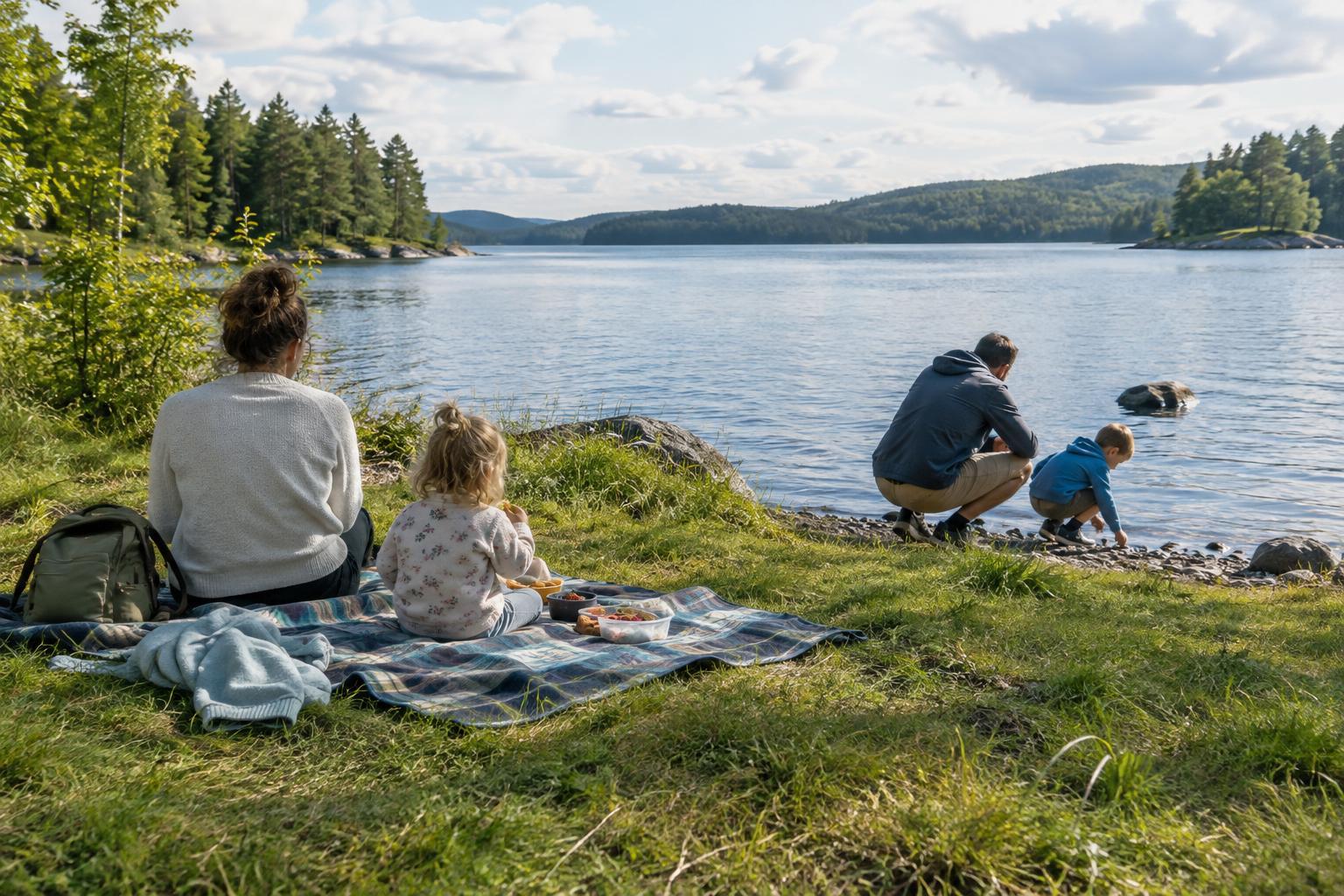
A flexible outing has a satisfying short version. Instead of planning a long hike, look for a lakeside path where you can turn back whenever you like. Rather than promising hours at a beach, plan for a brief visit that can stretch if everyone is comfortable. A picnic, a search for interesting stones or leaves, or time watching boats from a safe spot can give children something to do without tying the day to a timetable.
Before leaving, check practical details for each place you hope to visit: where you can park, how far you will walk to the water, whether there are toilets and where you could find shade or shelter. Conditions and access can vary, so it helps to have a second nearby option. If rain or wind changes the plan, a short scenic drive, a covered picnic spot or quiet time with books and games can still make the day feel different from home.
Let meals and rest provide the anchors
Young children often handle novelty better when a few familiar rhythms stay in place. Rather than setting exact times for every activity, anchor the day around meals, snacks and rest. Pack food that is easy to serve without a long wait, and keep water and a small snack accessible during travel. If a child still naps, consider whether a return to your room or another familiar resting place is more realistic than trying to extend an outing.
When comparing places to stay, look beyond the view. Space to settle down in the evening, a convenient place to prepare a simple breakfast and an easy route to the car can all make a short trip smoother. It may also help to choose a base close to your main outing so that returning for a forgotten layer or an early rest does not feel like a major change of plans. Check the details that matter to your family before booking rather than assuming every small stay has the same facilities.
Make water time a deliberate choice
A lake visit does not have to include swimming. Playing on shore, taking a walk with a water view or sitting together for a snack may be enough, particularly if the weather is cool or the children are tired. If you do plan to enter the water, choose a suitable access point and check local rules and conditions first. Keep young children within close, attentive adult supervision around the shore as well as in the water; an appealing view is not a substitute for watching them.
Build transitions into the plan. Getting changed, applying sun protection, washing sandy feet and finding dry clothes can take longer than the water activity itself. A separate bag for wet items and a dry layer for each child can make leaving easier. If everyone is enjoying themselves, it can still be wise to stop while the children have enough energy for the walk back, rather than waiting until they are cold or hungry.
Use a simple Plan A, Plan B and stopping point
For each day, write down one main idea, one easy alternative and a point at which you will call it enough. For example, Plan A might be a morning lakeside walk and picnic; Plan B could be a shorter walk followed by lunch near your accommodation. The stopping point might be after lunch, leaving the rest of the day open. This small amount of planning prevents a change in weather or mood from becoming a group decision made while everyone is tired.
Leave some space for the moments you did not schedule: a child finding a favorite place to sit, an unexpectedly long breakfast or a second visit to the same stretch of shore. You can take a few photographs along the way, but there is no need to document every stop. A successful family weekend is not measured by the number of places you visited. If everyone had time to notice the lake and return home without feeling rushed, the itinerary did its job.