Start with what everyone wants from the trip
A successful group weekend does not require everyone to enjoy the same activity. One traveler may want to be on the water at sunrise, while another would rather sleep late and read beside it. Before choosing a destination, ask each person for one activity they would love to do, one thing they would prefer to skip and their ideal pace. These answers reveal more than a long list of attractions.
Next, agree on a few basics: the travel budget, how far the group is willing to drive, whether anyone needs step-free access and how much time people want to spend together. Treat these as planning boundaries rather than a vote on every detail. If a quiet weekend matters to most of the group, for example, a packed schedule of stops is unlikely to feel restful even if each stop sounds appealing.
Choose a base that makes splitting up easy
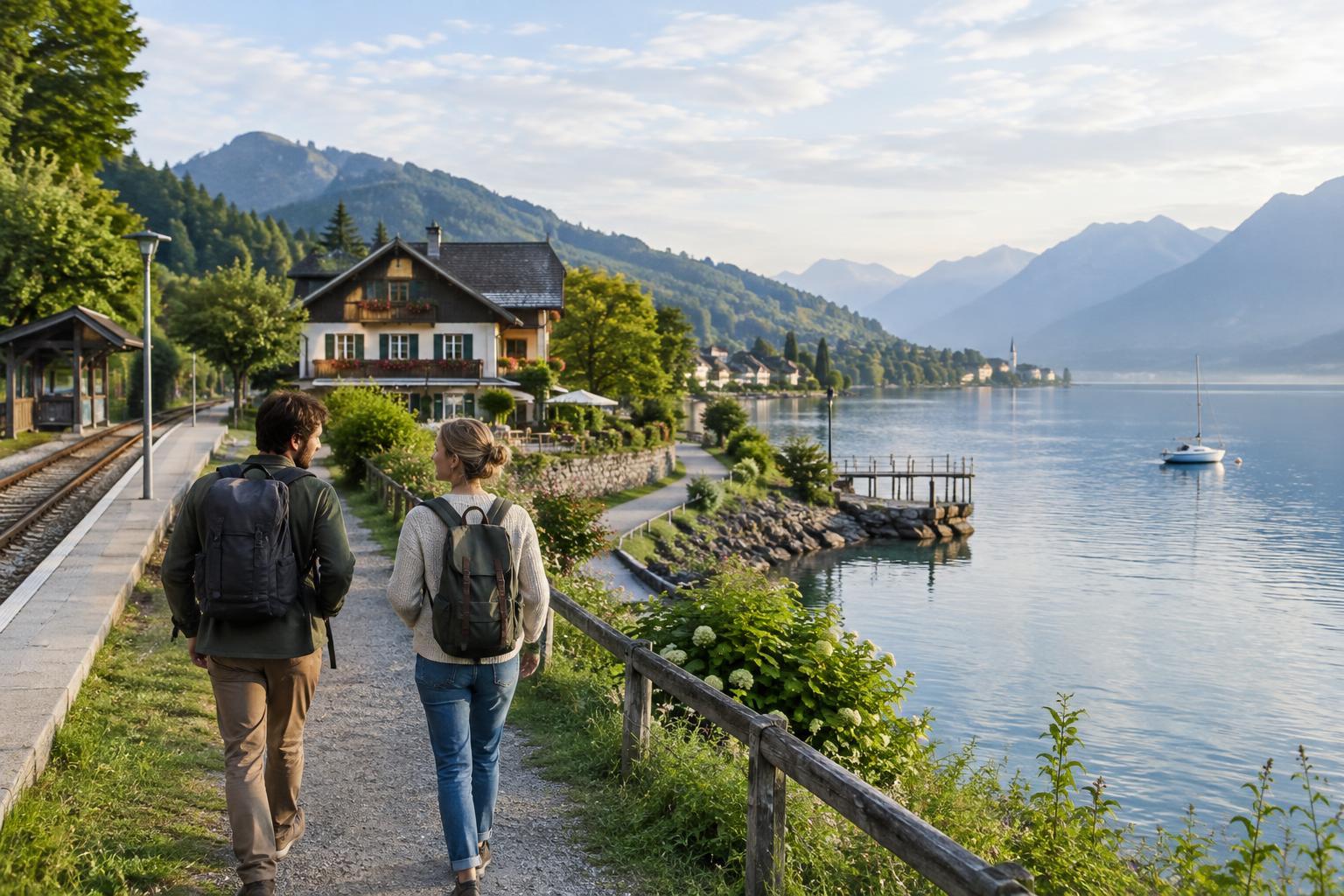
For travelers with different interests, location is often more useful than a long list of amenities. Look for a base with more than one appealing way to spend a few hours nearby: perhaps a walkable shoreline, a public trail, a place to sit outdoors and a town center within a manageable drive. Check access rules and opening times before making them central to the plan, since a lake view does not always mean public access to the water.
Think about how the group will use the accommodation, too. A comfortable common area helps people reconnect after separate outings, while enough quiet space lets early risers and late sleepers coexist. Confirm practical details such as parking, kitchen facilities, check-in times and the number of beds rather than assuming a listing’s atmosphere will meet everyone’s needs. If some travelers will not have a car, consider whether they can reach their chosen activities without relying on someone else for every trip.
Build the schedule around shared anchors
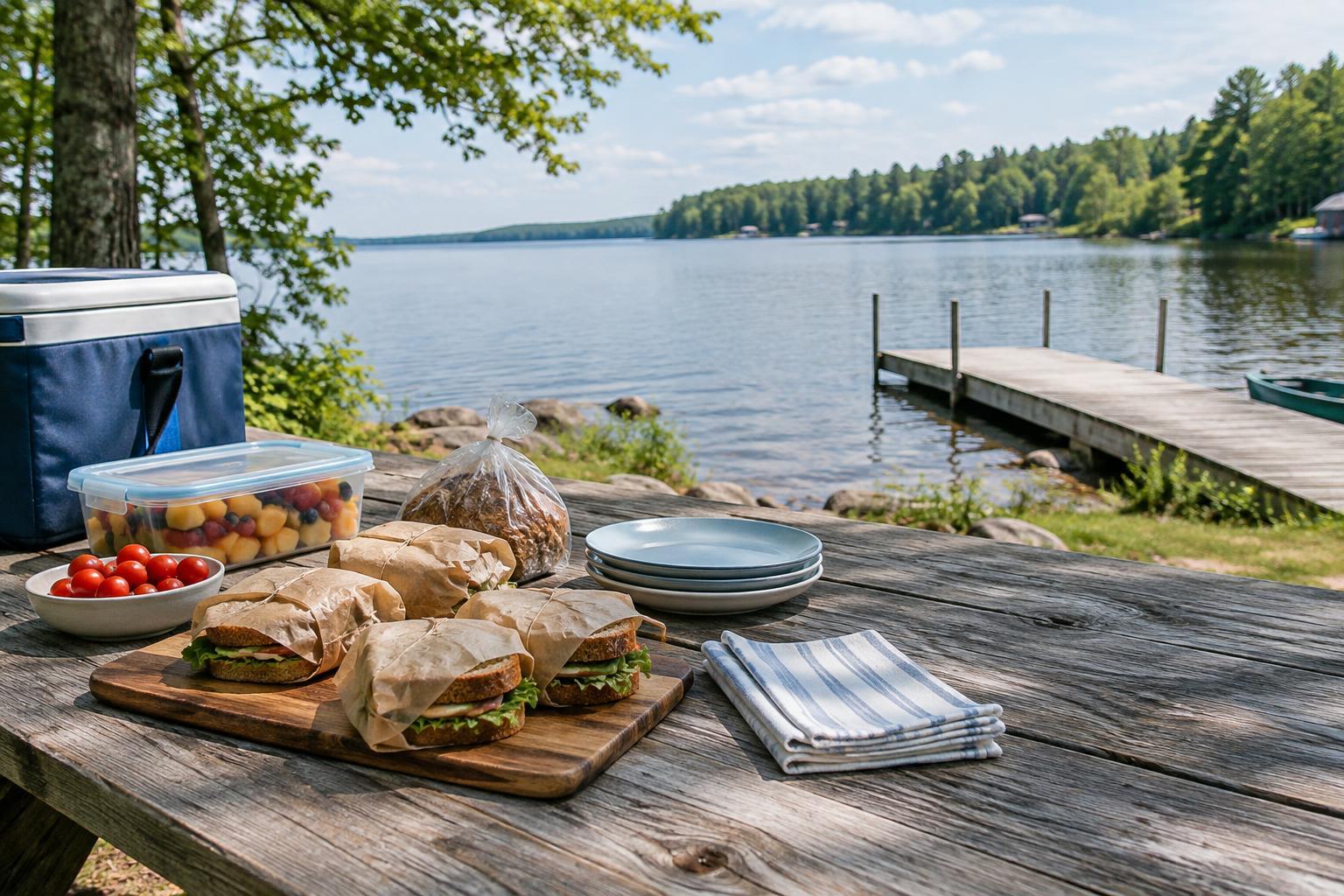
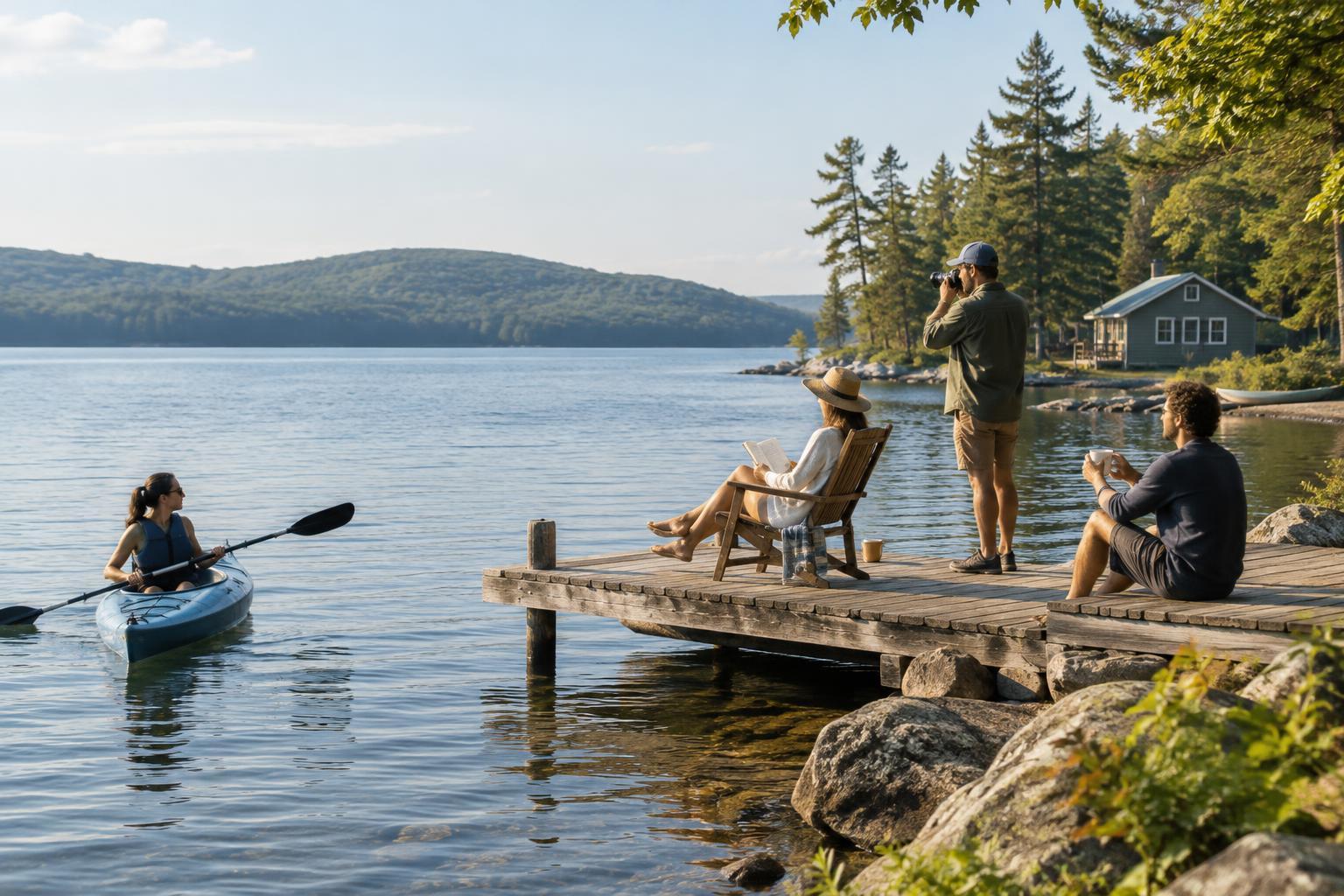
Instead of planning every hour together, choose one or two shared anchors each day. A leisurely breakfast, a lakeside picnic or dinner back at the accommodation gives the weekend a group rhythm. Leave a generous block between those moments for individual choices. The walkers can take a trail, the paddlers can head to an appropriate launch point and anyone seeking downtime can stay put without feeling they have missed the main event.
Keep the anchor activities easy to join. A short shoreline stroll with a place to sit may suit more people than a demanding hike; a casual meal is easier to coordinate than an outing with a strict start time. When an activity needs reservations, equipment or particular conditions, make it an opt-in plan. Agree in advance on when and where to meet again, and make sure everyone can reach each other if plans change.
Offer choices without creating a second itinerary
A simple menu of options is more helpful than a minute-by-minute schedule. For each free block, suggest a calm choice, an active choice and an indoor or weather-flexible choice. On a Saturday afternoon, that might mean reading by the water, taking a marked trail or browsing local shops. Travelers can decide on the day according to their energy, the weather and what is actually available.
Account for the effort behind each option. A paddle outing may involve booking gear, getting to a launch and allowing time to change afterward; a photo walk may need nothing more than comfortable shoes. Note any costs, transport needs and likely time commitments so nobody feels surprised or pressured. For water activities, check local guidance and conditions, use suitable safety equipment and choose an alternative when conditions do not feel right.
Leave room for the weekend to feel like a break
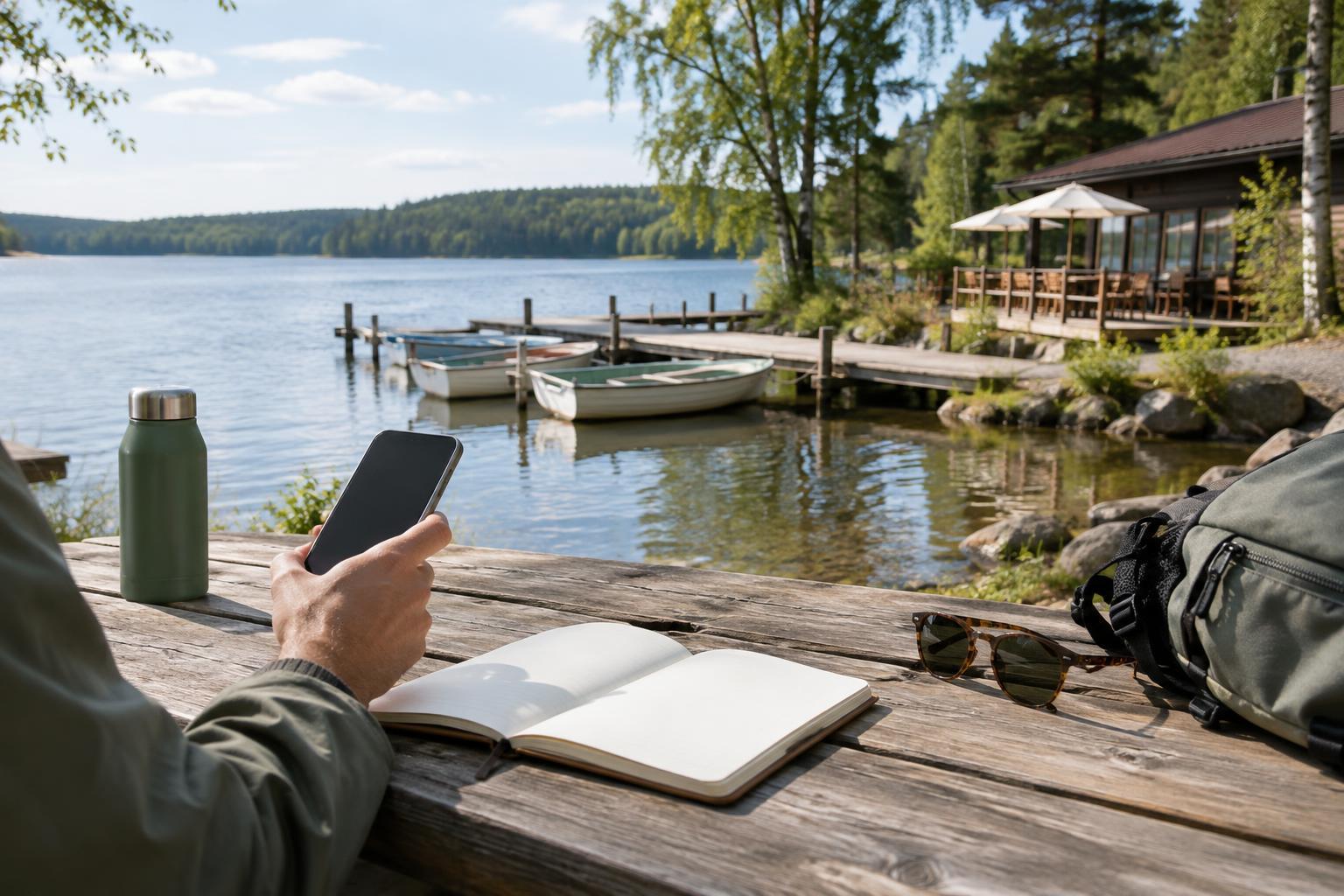
Build in more transition time than you think you need. Unhurried mornings, a stop for supplies and the walk back from an outing all take time, especially with a group. Packing also goes more smoothly when each traveler knows which items are personal and which will be shared. A short message covering meals, transport, weather layers and any booked activities can prevent duplicate purchases and last-minute confusion.
Finally, let people opt out gracefully. Someone who skips a boat trip is not rejecting the group; they may simply be making the weekend work for themselves. If everyone knows the shared plans and has a comfortable way to spend the time between them, different interests become an advantage. People return with their own stories, and the moments together feel chosen rather than compulsory.