Start with the time you actually have
A weekend getaway works best when you plan around your real departure time, not an ideal one. Look at when you can reasonably finish work on Friday, how long it takes to get home or collect a travel companion, and how much driving you want to do after a full day. A closer lake with an easy arrival may feel more restful than a farther one with a packed schedule.
Before choosing a destination, sketch a simple timeline: Friday travel and check-in, Saturday by the water, and Sunday travel home. Include time for meals, traffic, and unpacking. If Friday evening would be rushed, consider leaving early Saturday instead. The goal is not to spend the maximum possible hours away; it is to make the hours you have enjoyable.
Choose a stay that makes the weekend easy
For a short trip, convenience matters as much as the view. Compare places to stay by their distance from the activities you want, check-in and check-out times, parking arrangements, and what is included in the room or rental. A small inn near a walkable waterfront might suit a quiet weekend. A cabin with a kitchen might be better if you would rather make breakfast than search for a café.
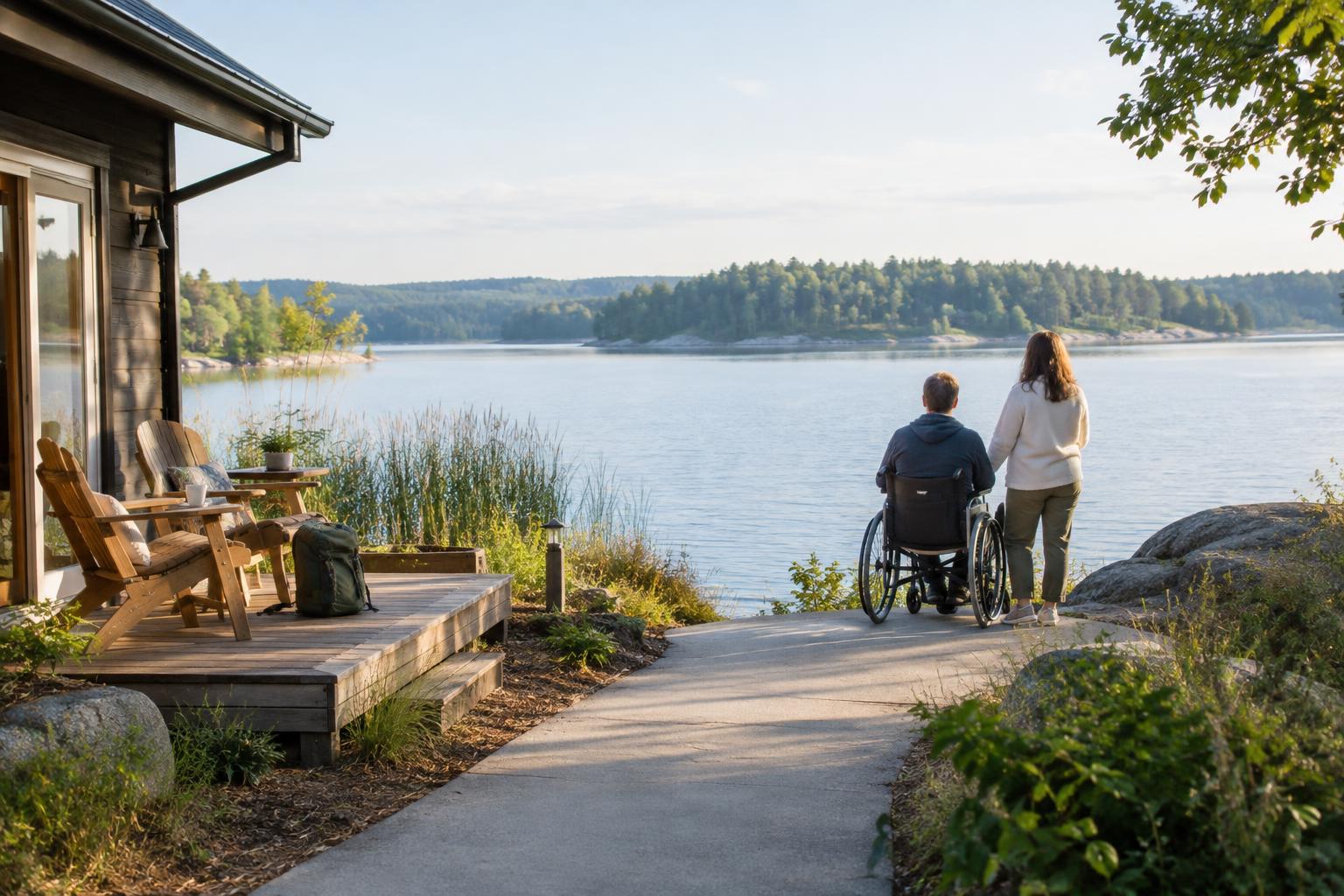
Check the practical details before booking, especially if you expect to arrive late. Find out how entry works, whether you need to bring linens or cooking basics, and what the cancellation terms are. If the stay has lake access, look closely at what that means: a view, a path to shore, and a place to swim are different things. Knowing the difference helps you plan without disappointment.
Give Saturday one main event
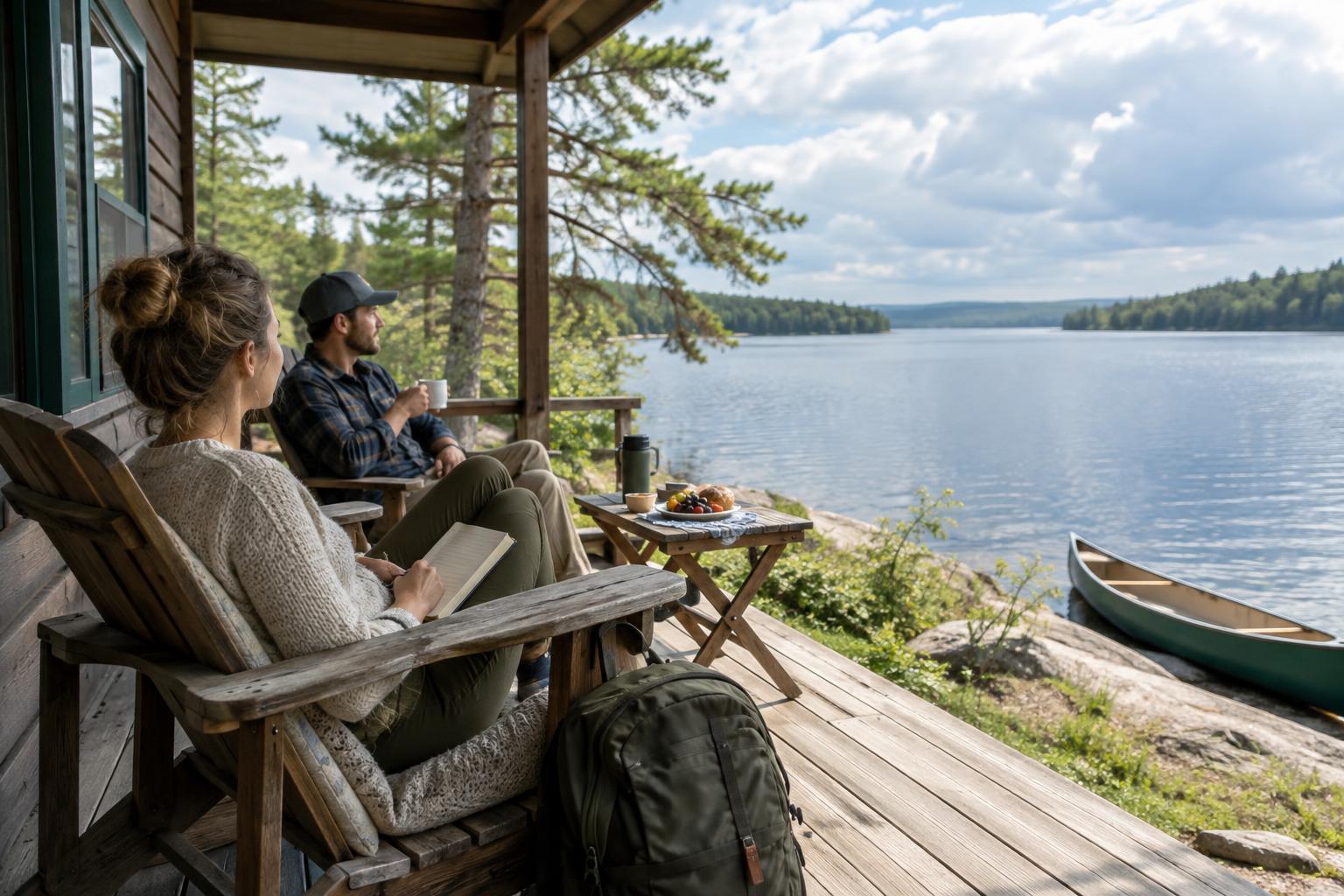
It is tempting to fill your only full day with a hike, a boat rental, a long lunch, and several scenic stops. Instead, choose one activity you would be glad to remember when you get home. That might be a morning paddle, a shoreline walk, a picnic, or a quiet afternoon reading near the water. Build the rest of the day around it rather than racing between attractions.
Think about what the activity requires. A rental may need an advance booking; a walk may call for suitable shoes and a route you can comfortably finish; a beach visit may depend on access rules and conditions. Keep a low-effort alternative in mind if the weather changes. A covered porch, a local café, or a scenic drive can still make the trip feel distinct from an ordinary Saturday.
Prepare on Thursday so Friday stays simple
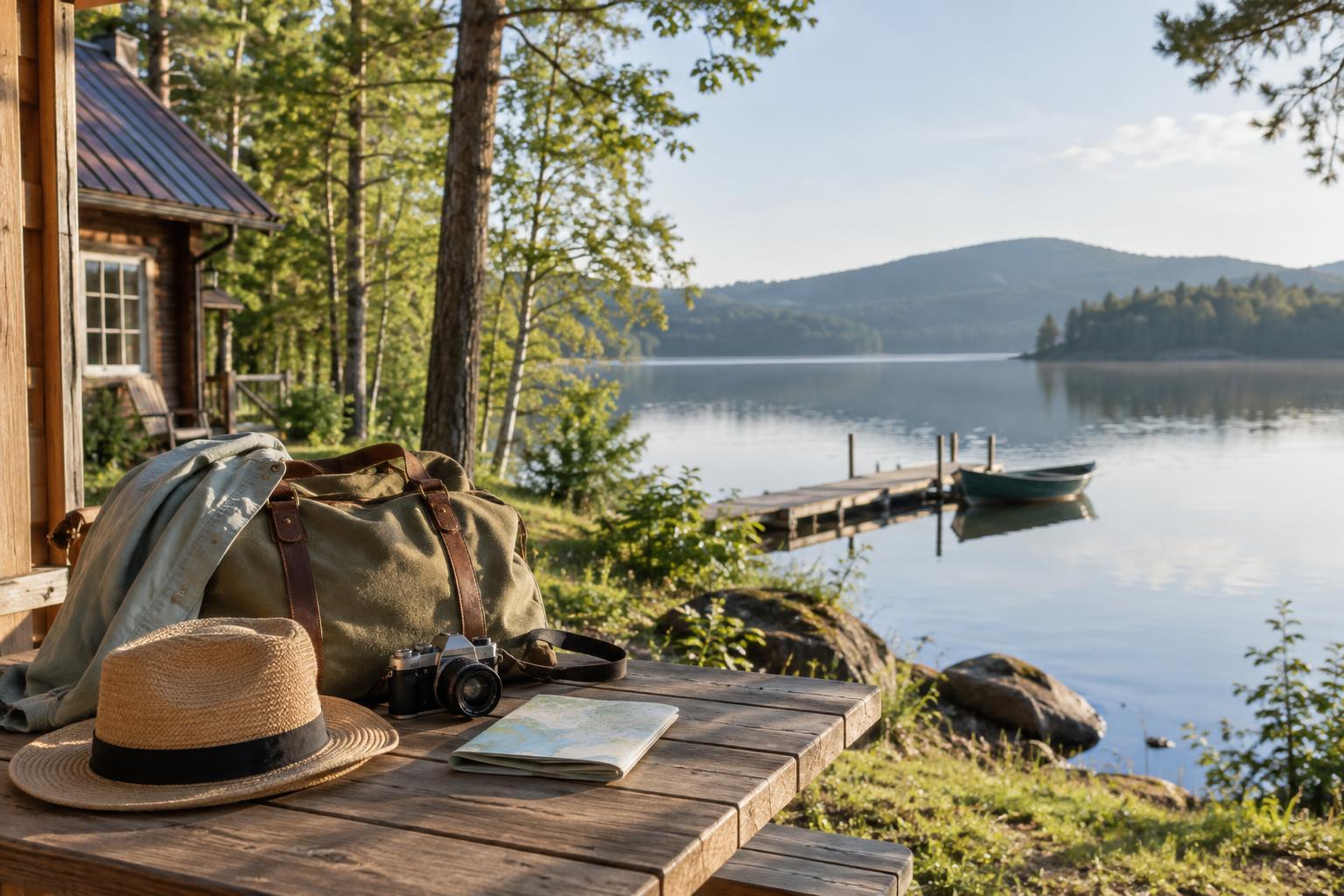
A little preparation before your last workday can make departure much calmer. Confirm your booking, save the address and arrival instructions, and decide how you will handle dinner. Pack clothing in layers, comfortable shoes, a light rain layer, any personal essentials, and the items needed for your planned activity. Check the forecast before you leave, but pack for a reasonable change in temperature or conditions.
Keep the Friday checklist short: finish work, load your bag, and go. If you want photos, charge your phone or camera and bring a way to protect it near the water. You do not need an elaborate shot list. A few moments in morning or evening light can capture the feel of the trip without turning your break into another assignment.
Protect the return trip and the rest you came for
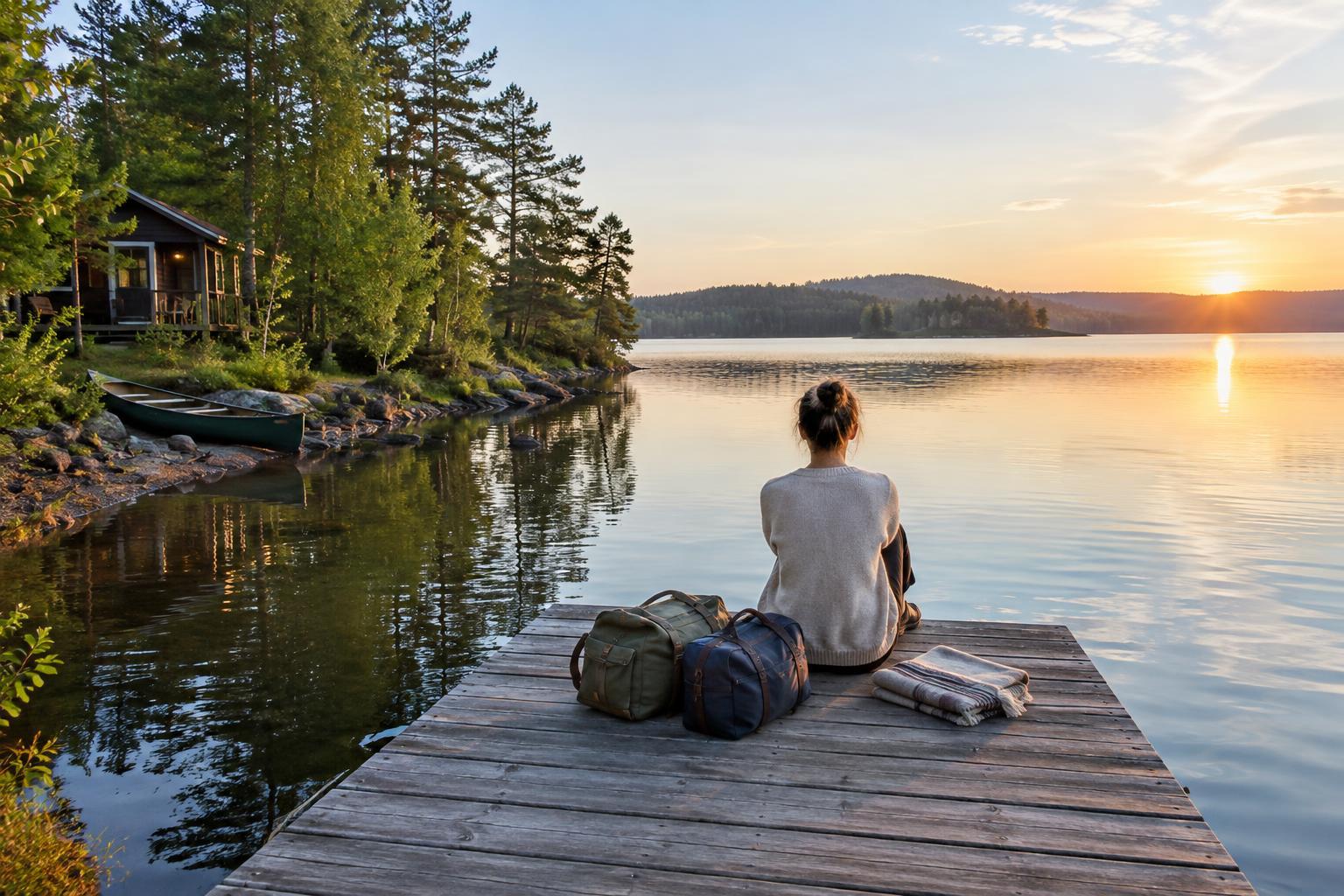
Sunday can be part of the getaway rather than a scramble to get home. Check out with enough time for a slow breakfast or one last look at the lake, then leave a buffer for the journey. If arriving home late tends to make Monday harder, choose a departure time that gives you space to unpack and settle in.
Finally, decide what can wait until you return. You might silence routine work notifications, agree on a brief check-in only if your role requires one, and avoid filling every quiet moment with errands or sightseeing. The appeal of a short lakeside break is its simplicity: one change of scenery, a little fresh air, and enough unplanned time to notice where you are.