Choose the journey before the lake
A beautiful lake is not necessarily an easy weekend destination. Start with the bus or train routes available from home, then look for lakeside towns those routes can reach without too many connections. A slightly smaller lake with a straightforward journey may give you more time on the shore than a famous one that requires a complicated transfer.
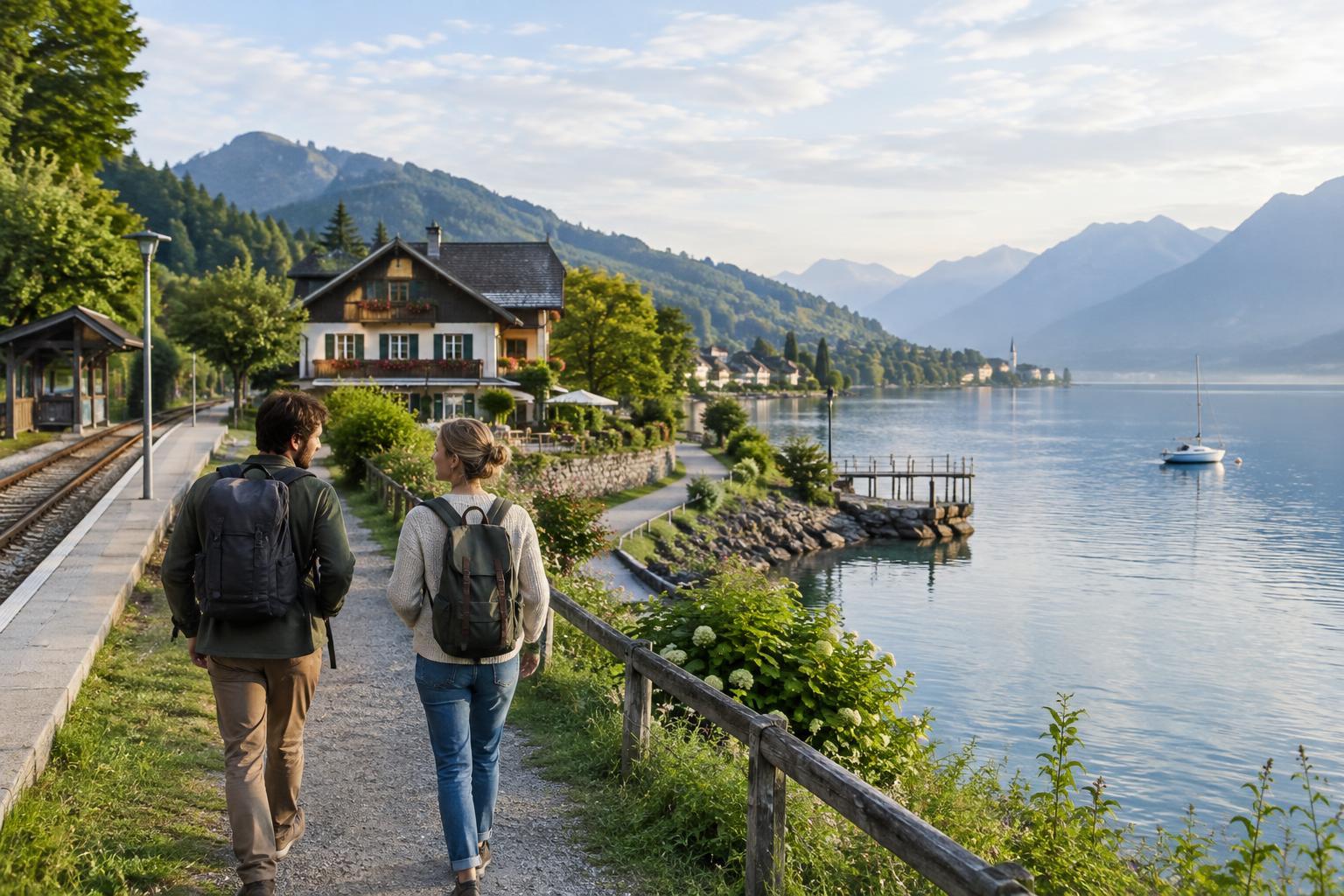
Look at the whole trip, not just the main leg. How far is the waterfront from the arrival stop? Can you walk there comfortably with your bag? If local buses, shuttles, or ferries are part of the plan, check their schedules for both travel days and note when the last service runs. Timetables can change, so confirm the details shortly before departure. Keep a backup in mind for the final stretch, whether that is a taxi you can arrange or a different place to stay.
Book a stay that makes walking easy
For a car-free weekend, location is more useful than a long list of amenities. On a map, compare each accommodation with the arrival stop, the lakeshore, places to eat, and any activities you want to try. A stay near a compact town center can make it easy to head out for an early walk, return for a rest, and go back to the water in the evening.
Read location descriptions carefully. “Near the lake” may still mean a steep walk or a route without a comfortable footpath. If it is unclear, ask the host or property about the walking route, luggage storage, and the easiest way to arrive by public transport. Check whether you will have a practical option for food after you get in, especially if you expect to arrive late.
Build a small itinerary around the shore
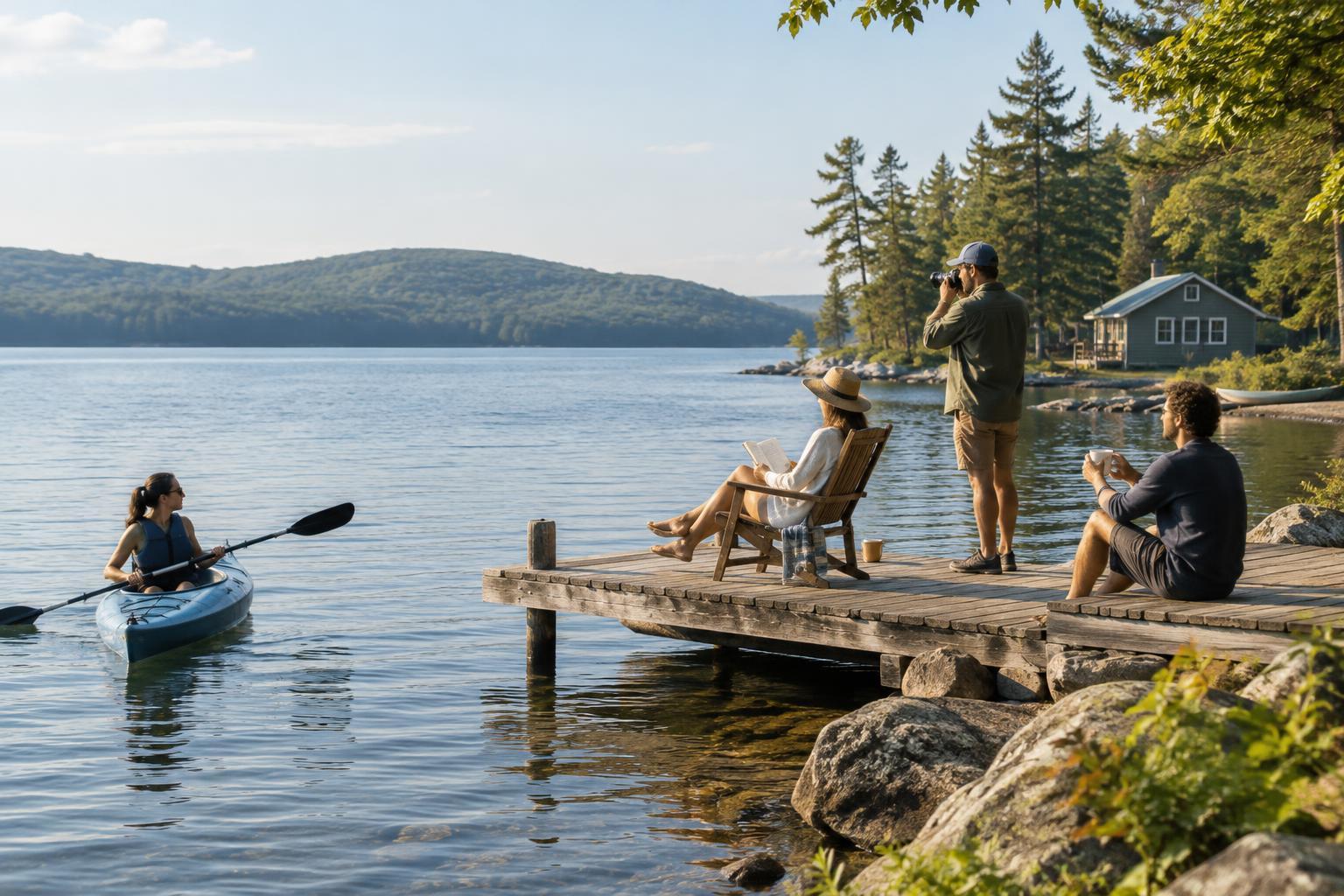
A relaxed weekend does not need a packed schedule. Choose one main activity for each full day, then leave space for a café stop, a swim where permitted, or simply sitting by the water. Good car-free options often include a waterfront path, a public beach, a short signed trail, or a boat trip that starts near town. Check opening times, booking requirements, and return transport before treating any activity as a fixed part of the plan.
Group nearby stops together rather than crossing the area repeatedly. For example, a morning walk, lunch, and an afternoon by the shore may all fit within the same part of town. If you want to explore farther, decide in advance how you will get back. Set a comfortable turnaround time so the day does not become a race for the last bus or ferry.
Pack for transfers, paths, and changing weather
When you carry everything yourself, a lighter bag makes the journey and the weekend easier. Pack layers that work together, comfortable walking shoes, a compact rain layer, and a small day bag. Add the essentials you would not want to search for on arrival, such as any personal medication, a water bottle, and a phone charger. If you plan to swim, check the conditions and local guidance before packing for it.
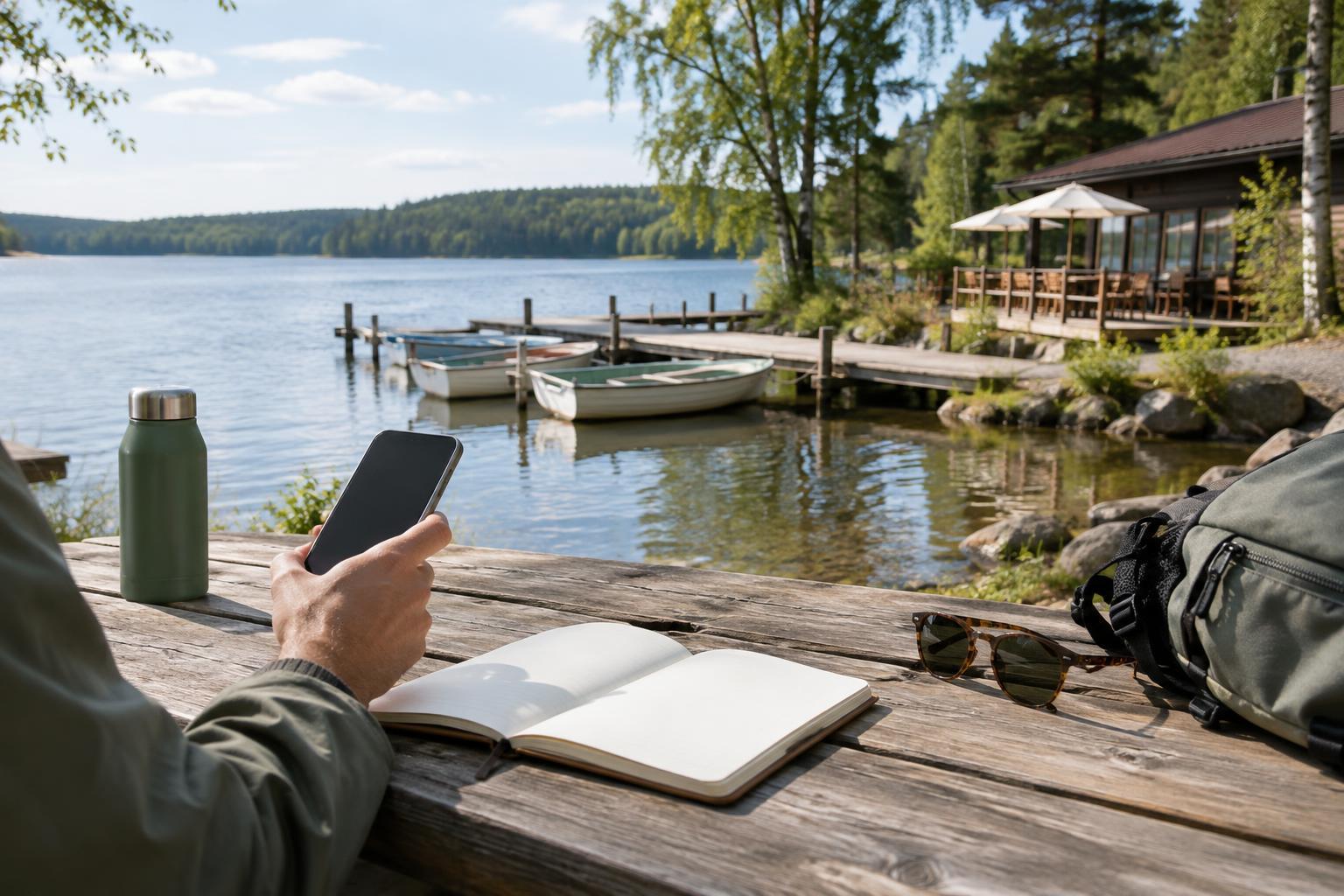
Download or save the information you may need when reception is poor: tickets, accommodation details, route maps, and a note of your return departure. Leave a little room in your bag for snacks or supplies picked up along the way. Photography can stay simple, too. A phone or small camera is enough to capture changing light on the water without adding much weight.
Give the weekend a little breathing room
Transport delays and wet weather are less frustrating when the plan has alternatives. Aim to arrive with enough time to find your stay without rushing, and avoid making a nonrefundable activity your first stop. Save an indoor option, such as a local gallery or a long lunch, for a rainy spell. If plans change, you can still enjoy the place rather than spending the weekend trying to rescue an exact itinerary.
Before heading home, check your departure point and the time needed to reach it on foot. A final slow breakfast or short lakeside stroll can be the best part of a car-free trip when you know the journey is under control. The goal is not to see every corner of the lake; it is to choose a manageable base and enjoy being there.