Start with the whole trip, not the room rate
A tempting room rate can make a weekend look affordable before the rest of the trip comes into view. Start instead with the total amount you are comfortable spending from departure to arrival back home. If you are traveling with someone else, agree on whether that figure is for the group or per person. Decide, too, which costs will be shared and which each traveler will cover independently.
Write down the trip you are actually planning: number of nights, distance from home, likely meals out and the activities you hope to try. A quiet weekend of walks and reading has a different cost profile from one built around boat rentals and restaurant reservations. Having a simple outline first makes your budget useful without turning the getaway into a rigid schedule.
Check the full cost of getting there and staying
For a stay, compare the final booking total rather than the nightly price alone. Look for taxes, cleaning or service fees, parking charges and any costs tied to extra guests. Check what is included: access to a kitchen, breakfast or equipment storage may affect what you spend elsewhere. Read the cancellation terms before paying, particularly if your plans depend on weather or other uncertain details.
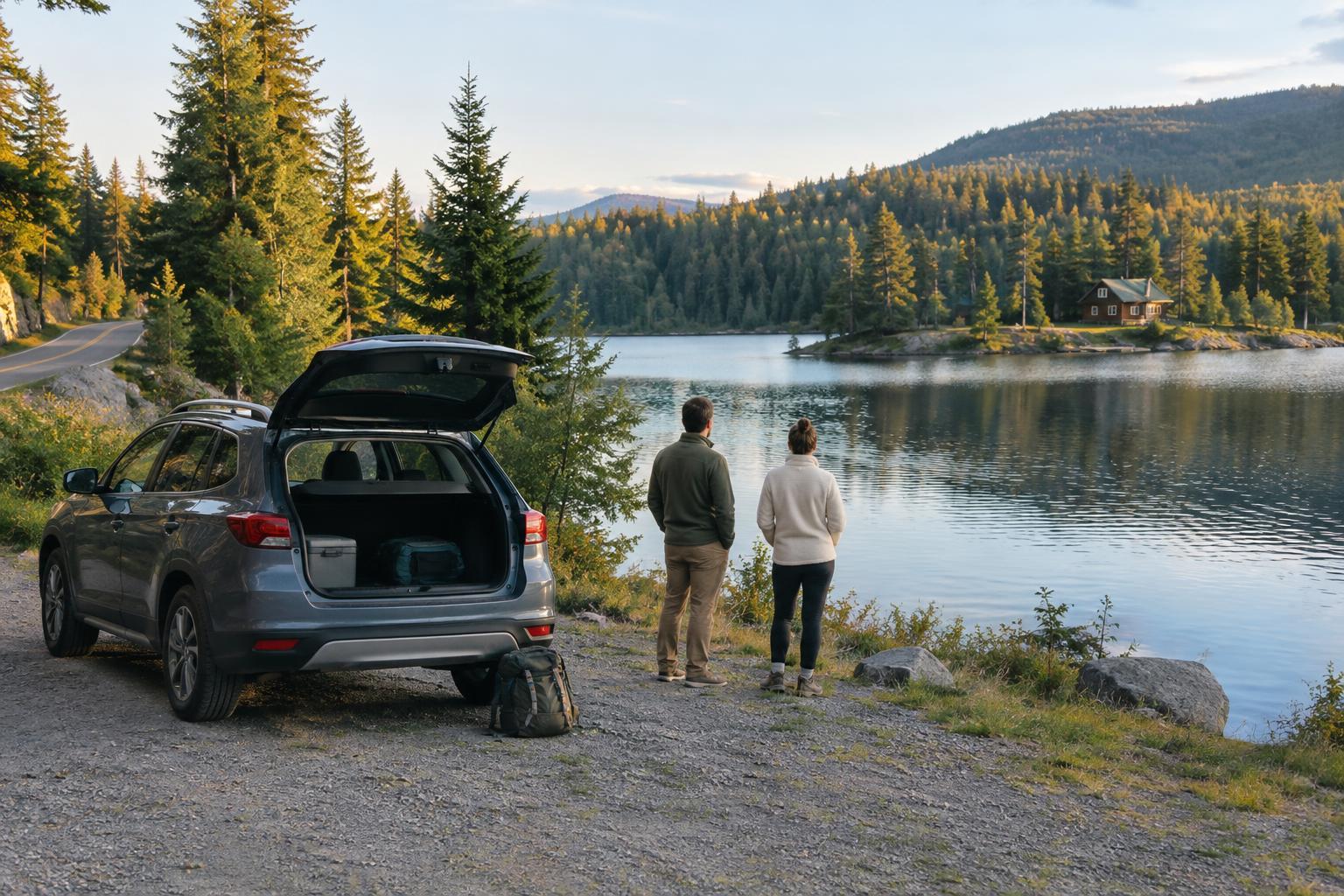
Transportation deserves its own line in the budget. For a drive, consider fuel, tolls and parking both at the accommodation and around the lake. If you are using another form of transport, account for the last stretch between the station and your stay. Choosing a slightly more expensive room within walking distance of the places you want to visit may simplify the trip; a cheaper room farther away may still be the better fit if you plan to drive everywhere.
Build a realistic food plan
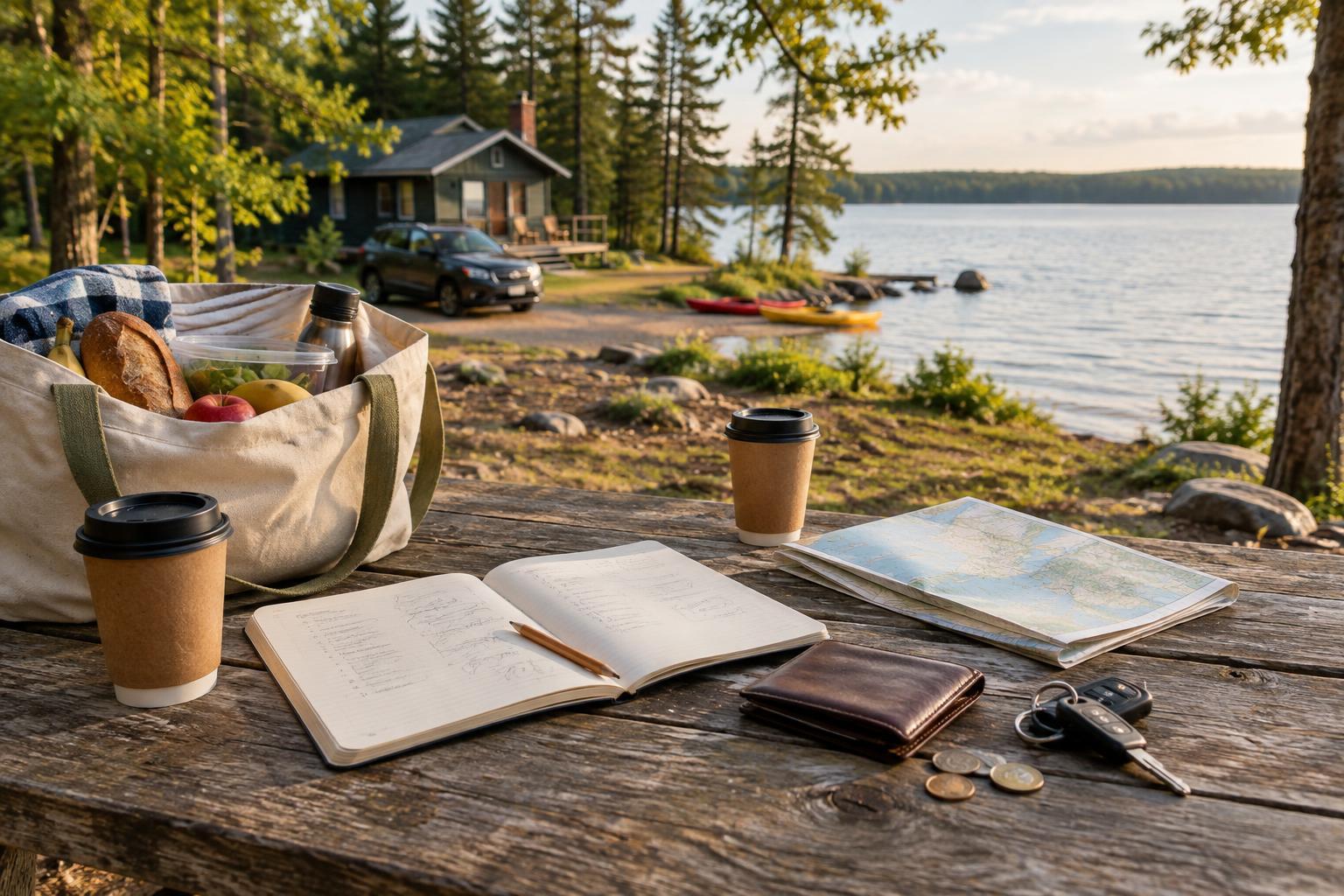
Food spending is easy to underestimate because a weekend contains several small decisions, not just one dinner. Sketch out each meal from your first travel-day stop to your last meal before heading home. Mark which ones you expect to prepare, pack, pick up casually or eat out. Add drinks and snacks if they are likely to be part of the outing rather than hoping they will fit into whatever money is left.
You do not need to cook every meal to keep costs predictable. Breakfast supplies and a simple picnic lunch can leave room for a leisurely dinner. If your stay has limited kitchen facilities, plan food that works with what is available instead of assuming you can prepare a full meal. For a group, decide who is buying shared groceries and how you will split that cost before anyone reaches the checkout.
Price the activities you care about most
Separate free or low-cost plans, such as a shoreline walk or time spent relaxing at your stay, from activities that need tickets, rentals, guides or parking. For each paid activity, check what the listed price covers. A rental may require safety gear or a deposit, while a beach or trail visit may involve an entry or parking charge. Include the costs you can identify, and avoid treating a headline price as the complete total.
Pick one or two priorities rather than budgeting for every possible option. That leaves room to change plans if the weather is unappealing or your group would rather slow down. Before committing to a costly activity, check its booking and cancellation terms. A flexible alternative, such as a walk followed by a café stop, can be worth keeping in your itinerary even if you expect to spend most of the day outdoors.
Leave room for small surprises, then set a spending guide
Once you have estimates for lodging, transport, food and activities, add a separate cushion for things you cannot pin down in advance. It might cover an extra parking payment, a forgotten essential or a change of plans. Treat that cushion as part of your trip limit, not money you have to spend. If the total now exceeds what feels comfortable, adjust the flexible choices first: shorten the stay, choose a simpler activity or plan another meal at your accommodation.
Keep the finished budget easy to use. A note on your phone with each category and its planned amount is enough for most weekends. During the trip, check it before a bigger unplanned purchase, but do not track every small expense if that would take away from the break. The goal is to know what the whole weekend may cost, make deliberate trade-offs and return home without the room bill being only the beginning of the story.