Think in moments, not just views
A wide photograph of the lake may establish where you went, but it rarely tells the whole story of a weekend. Think of your photos as a short account with a beginning, middle, and end. The beginning might be the packed car, the first glimpse of water, or a bag set down in your room. The middle might include a morning walk, a meal outdoors, or time spent reading in the shade. An empty dock or the drive home can provide a quiet ending.
You do not need to document every activity. Before you leave, choose a few things you hope to remember: the feel of the place you stayed, a shared routine, and one outing. That loose plan gives you something to look for without turning the trip into an assignment. If the weather changes or your plans shift, let the photos follow the weekend you actually have.
Give each part of the day its own place
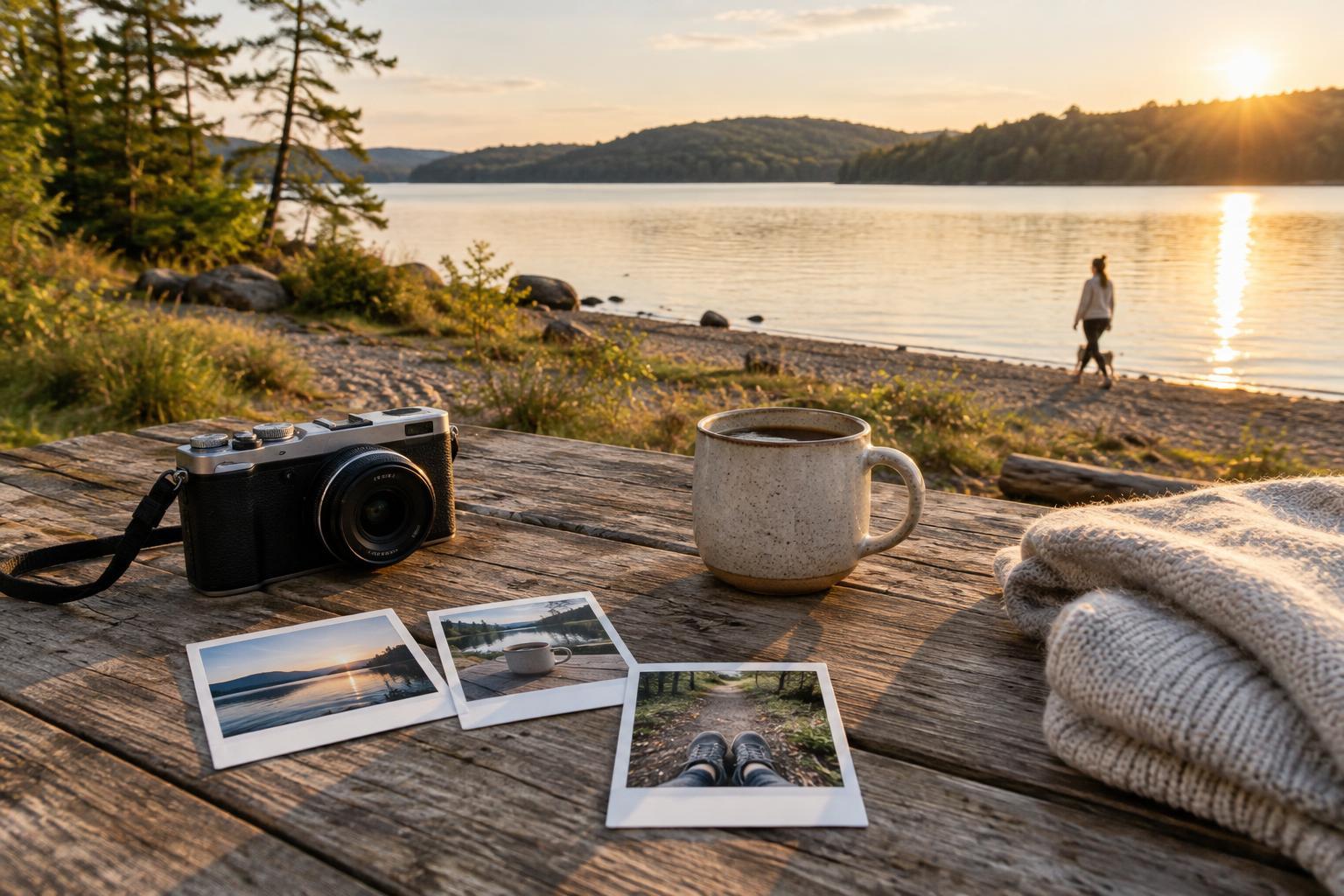
Arrival photos can capture the small transition from travel to rest. Take one or two pictures before bags and jackets spread across the room, then put the camera away while you settle in. Later, photograph the spaces as you use them: a mug on a porch table, shoes by the door, or a book beside a window. These ordinary scenes often say more about the stay than a perfectly tidy room.
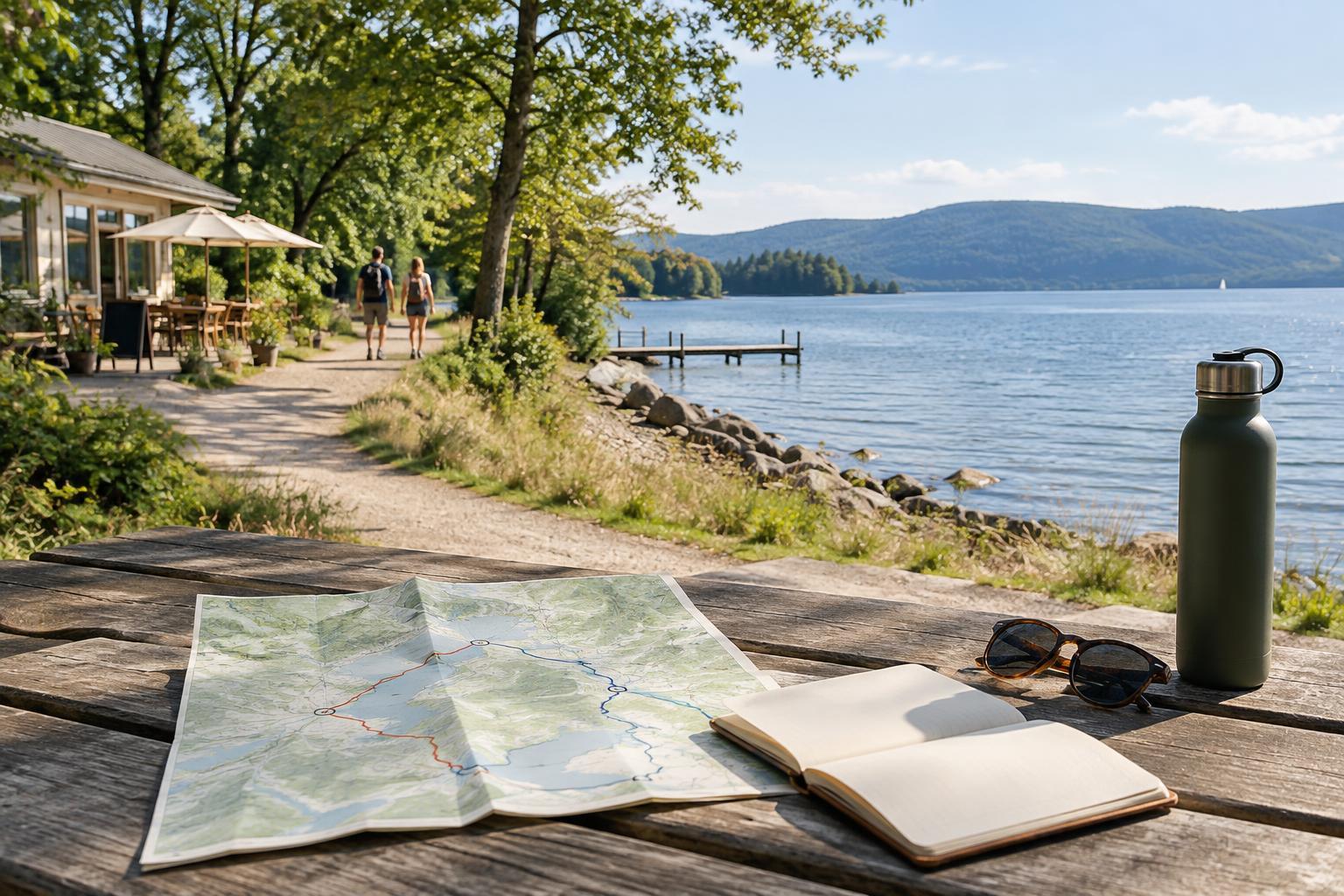
During an outing, look for a simple sequence rather than repeating the same view. A trail entrance, a pause along the path, and the place where you turn back can describe a walk in three frames. For a picnic, you might photograph the preparation, the spot you chose, and what remained when you packed up. The aim is not to make every moment look dramatic; it is to give someone a sense of how the time unfolded.
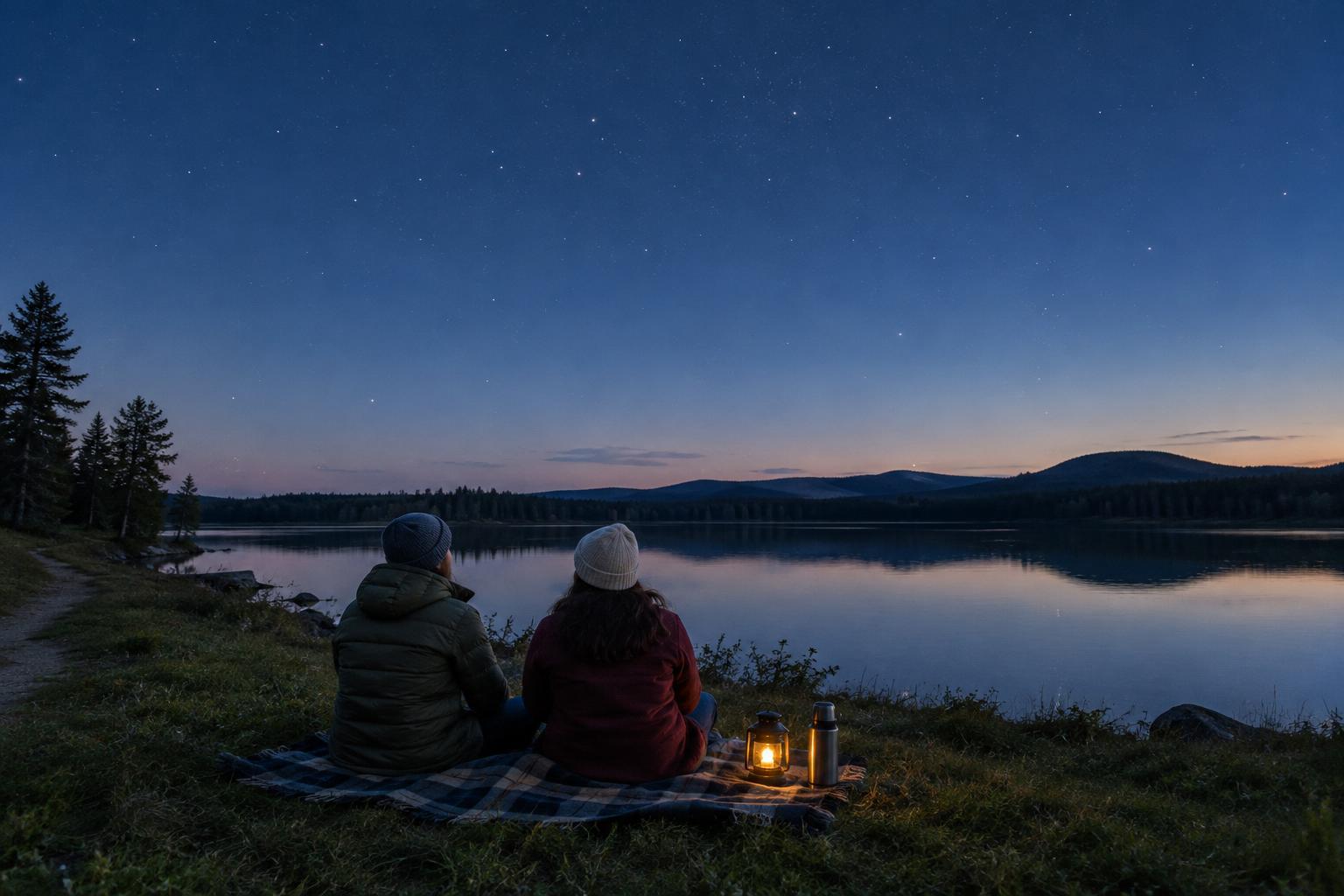
Leave room for unplanned moments, too. A sudden change in weather, a game at the table, or an unexpectedly long conversation may become the part of the weekend you remember best. Take a photo if it feels welcome, but do not interrupt an experience simply because it would make a good picture.
Vary the distance and include signs of people
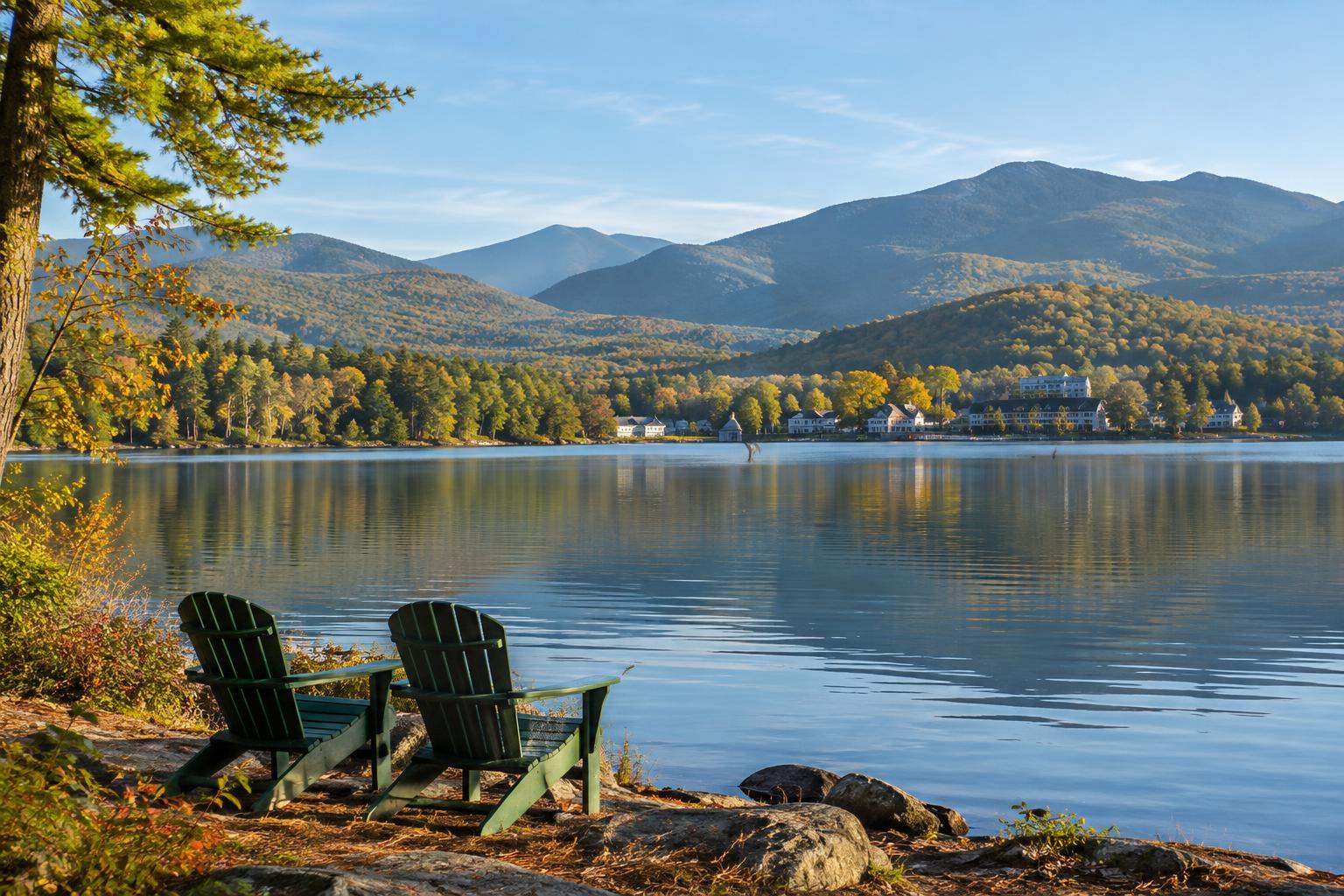
A photo collection becomes easier to follow when it moves between broad scenes and closer views. Photograph the shoreline to show the setting, then step closer to show the path underfoot or the food on the table. Move back again when an activity needs context. This variety helps the viewer understand both where you were and what you did there.
People do not always need to face the camera. Someone carrying towels toward the water, sitting on a porch, or reaching for a cup can make a scene feel lived-in without requiring a posed portrait. If you are photographing companions, check that they are comfortable with it—especially before sharing the images. You can also include your own presence through a packed bag, a pair of shoes, or the view from your seat.
Watch the edges of the frame for distracting objects, but keep details that belong to the moment. A rain jacket over a chair or a half-finished snack may make the photograph more personal. The goal is a recognizable memory, not an immaculate scene.
Choose a small collection after the trip
When you get home, look through the photos once without editing. Mark the ones that bring back a specific moment, then choose a manageable set that follows the weekend from arrival to departure. If several images show nearly the same scene, keep the one with the clearest feeling or most useful context. A quieter image may earn its place because it connects two bigger moments.
Arrange your choices in the order the trip happened, or group them by activity if that reads more naturally. Include a few transitions—a path between the room and the shore, for example—so the collection does not feel like a series of unrelated highlights. Make only the adjustments a photo needs, such as straightening a horizon or gently correcting brightness. Consistent, modest edits let the moments remain the focus.
Finally, save the collection somewhere you can find it again, with a name that identifies the trip. You might share a handful of favorites with your companions and keep the rest for yourself. A good weekend photo story is not measured by how many pictures you took, but by how easily the ones you kept bring you back.