Start with the outing you want
The best craft for a lake day is not necessarily the fastest or most adventurous one. Think about how you want to spend your time: drifting near a quiet shoreline, covering some distance, sharing the trip with a companion, or stopping often to take photos. Your preferred pace, along with your comfort on the water, will narrow the choice more quickly than a list of technical features.
It also helps to picture the whole outing, not just the time spent paddling. Consider how you will get the craft to the water, where you can launch, how much you need to carry, and whether everyone in your group wants the same experience. A short route close to shore can feel more relaxed than a long crossing, even on a lake that looks peaceful from the beach.
Choose a kayak for an easy solo rhythm
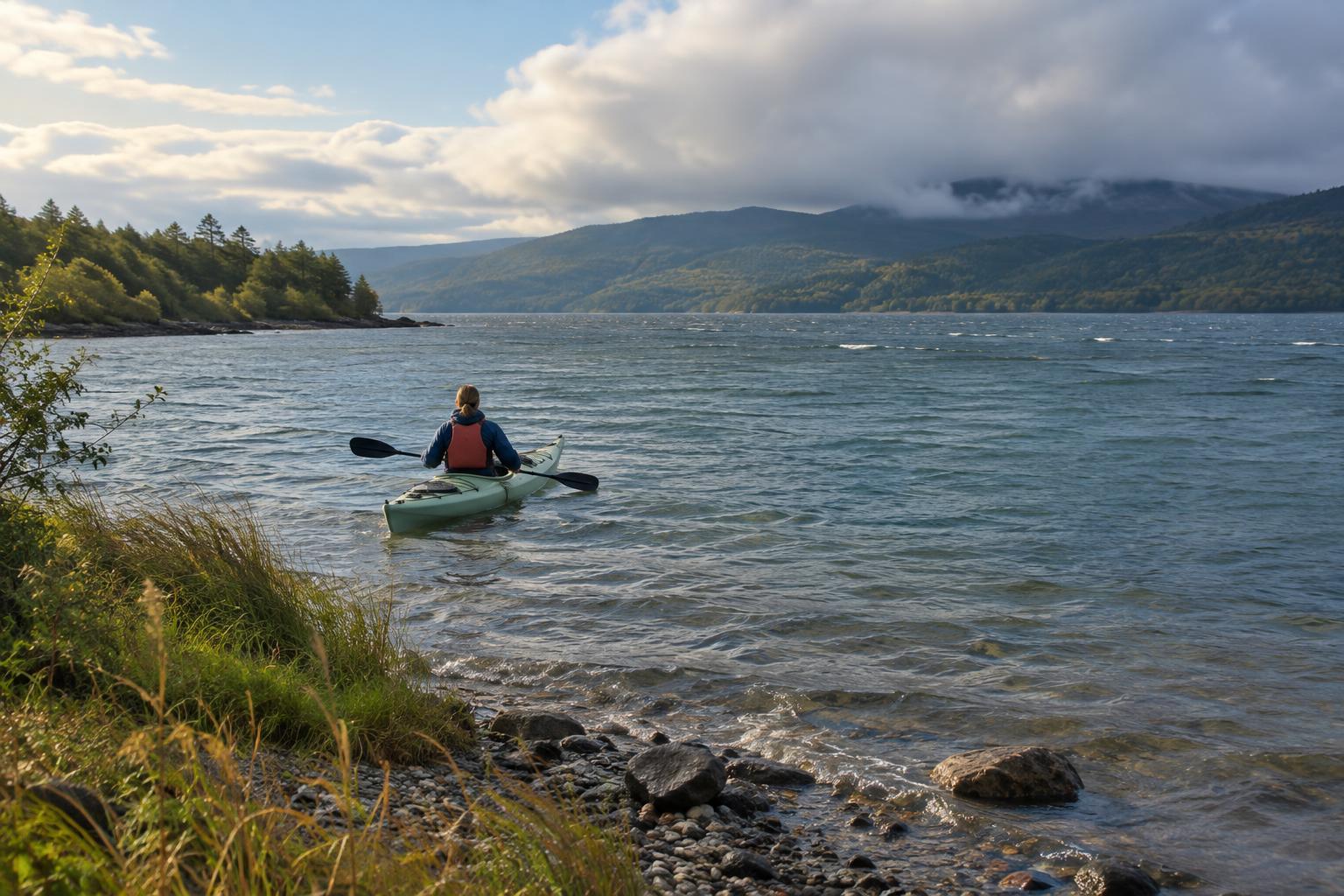
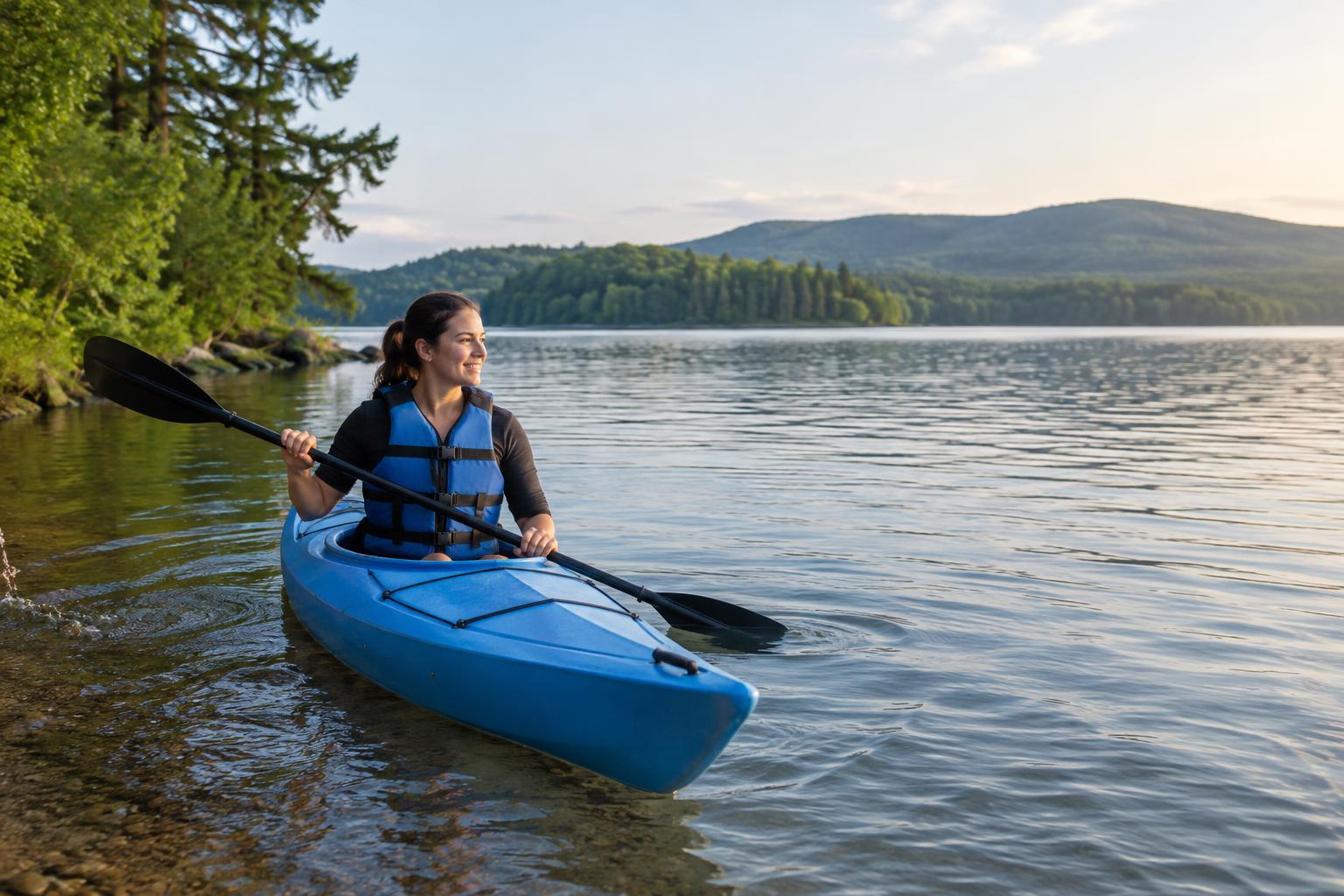
A recreational kayak is often a comfortable choice for one person who wants to settle in and explore at an unhurried pace. You sit low in the craft and use a double-bladed paddle, alternating sides as you go. Many recreational models have a supportive seat and space for a small dry bag, making them well suited to a gentle shoreline route or a few hours of sightseeing.
Kayaks vary considerably. A sit-on-top model can feel open and straightforward to board, while a sit-inside model may offer more shelter from splashes. Neither style is automatically the right choice for every person or condition. If you are renting, ask which model suits beginners, how stable it feels, and how to get back to shore if you become uncomfortable. Check how you will keep your phone, keys, and extra layer dry rather than assuming a storage compartment is watertight.
Pick a canoe when the day is better shared
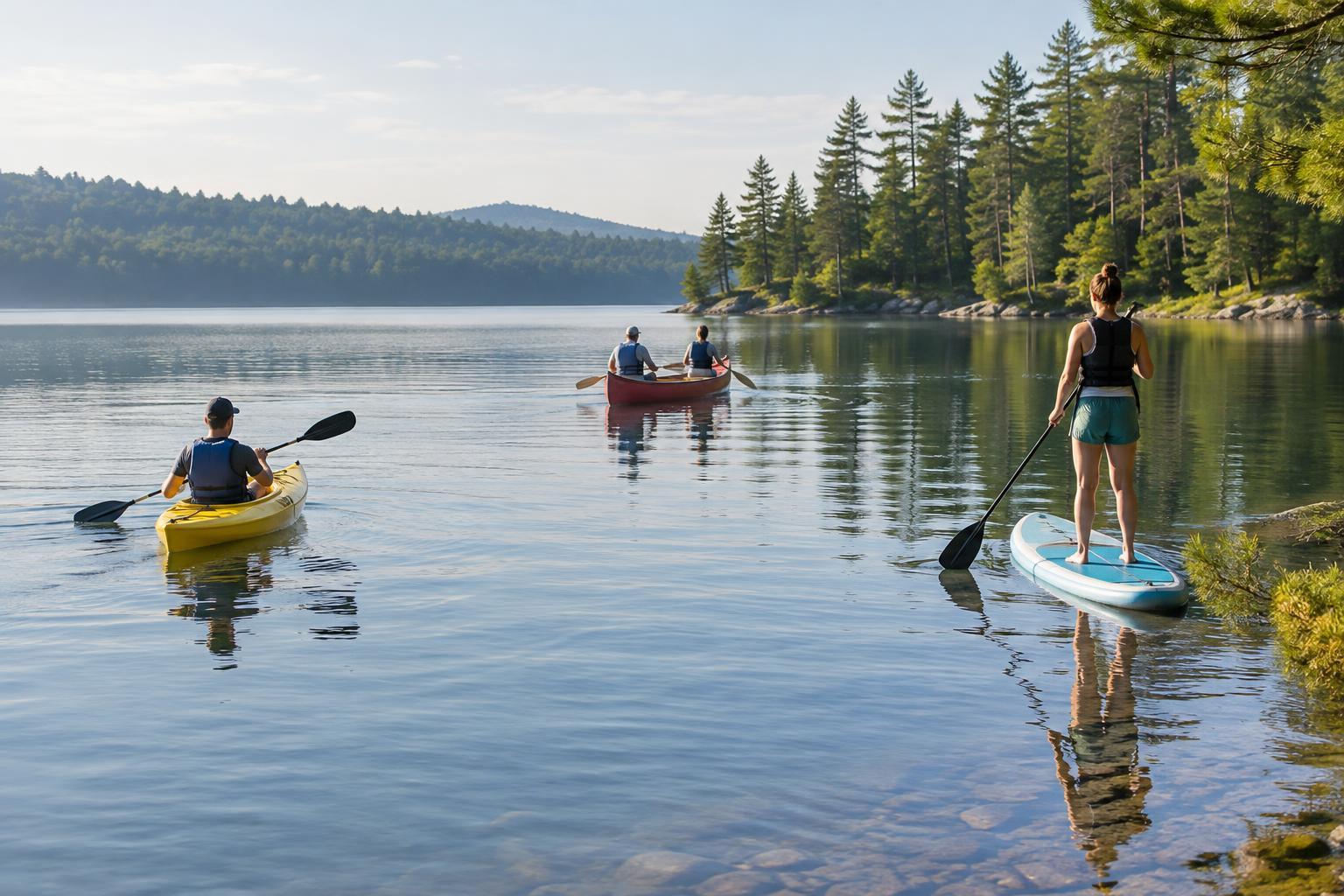
A canoe can make the outing feel sociable. Two paddlers can travel together, talk easily, and bring a picnic or a few extra layers without balancing everything on their laps. It may be especially appealing when the pleasure is in moving slowly as a pair rather than following separate routes. An open canoe also makes it simple to reach a camera or snack while you are stopped.
That openness calls for some care. Loose gear can get wet, and wind may make a canoe harder to keep on course, particularly for inexperienced paddlers. Talk through basic steering and who will paddle where before setting off; a little coordination makes the ride more pleasant. If one person would rather be a passenger, check the craft’s capacity and the rental provider’s guidance instead of assuming any canoe setup will suit your group.
Try a paddleboard for a short, close-to-shore outing
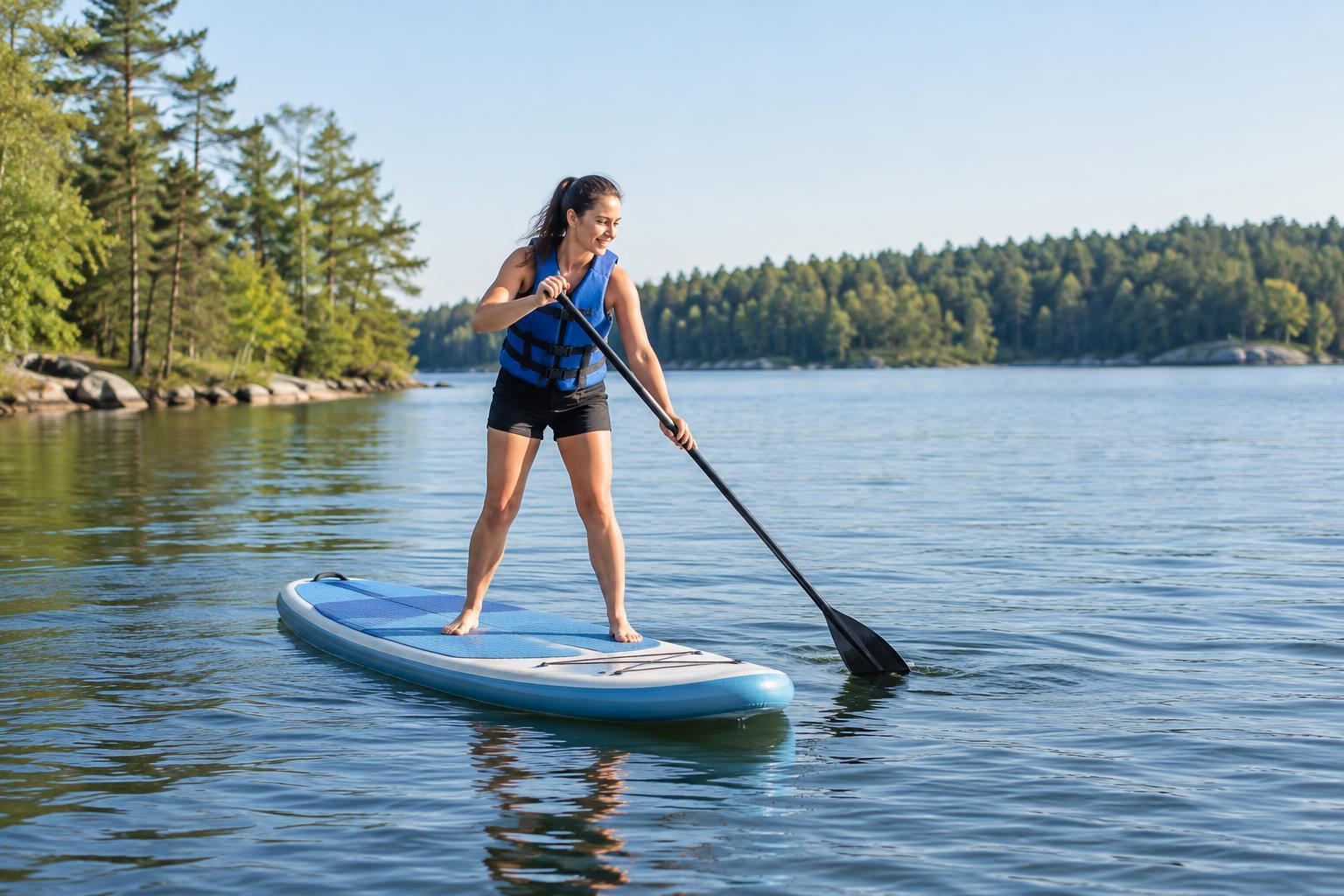
A stand-up paddleboard gives you an open view of the water and a simple way to move at your own pace. It can be satisfying on a sheltered part of the lake when you want to linger, look into the shallows, or paddle for a short stretch before returning to the launch. You do not have to stand the entire time: many people begin by kneeling and change position as they grow comfortable.
A board asks more of your balance than a seated craft, and falling in is a realistic possibility. That may sound refreshing on a warm day but less appealing if the water is cold or you want to keep your clothes dry. Wind also matters: a board can be awkward to paddle back when conditions change. For a relaxed first try, choose a short route with an easy return rather than treating the far shore as a goal.
Let conditions make the final decision
For solo comfort and steady exploring, start by considering a recreational kayak. For conversation and room for shared supplies, look at a canoe. For a brief, playful session near a suitable launch, consider a paddleboard. These are starting points, not rules; the available craft, the paddlers, and the lake on the day matter more than the label.
Before launching, check the weather forecast, local rules, and any guidance from the rental provider or launch site. Wear a properly fitted life jacket or other required flotation device, and follow local requirements for equipment such as a paddleboard leash. Keep your first route manageable, tell someone your plan, and turn back early if wind, boat traffic, or fatigue makes the outing less comfortable. The most relaxing choice is one that lets you enjoy the lake without feeling committed to going farther than you want.