Start with awareness, not assumptions
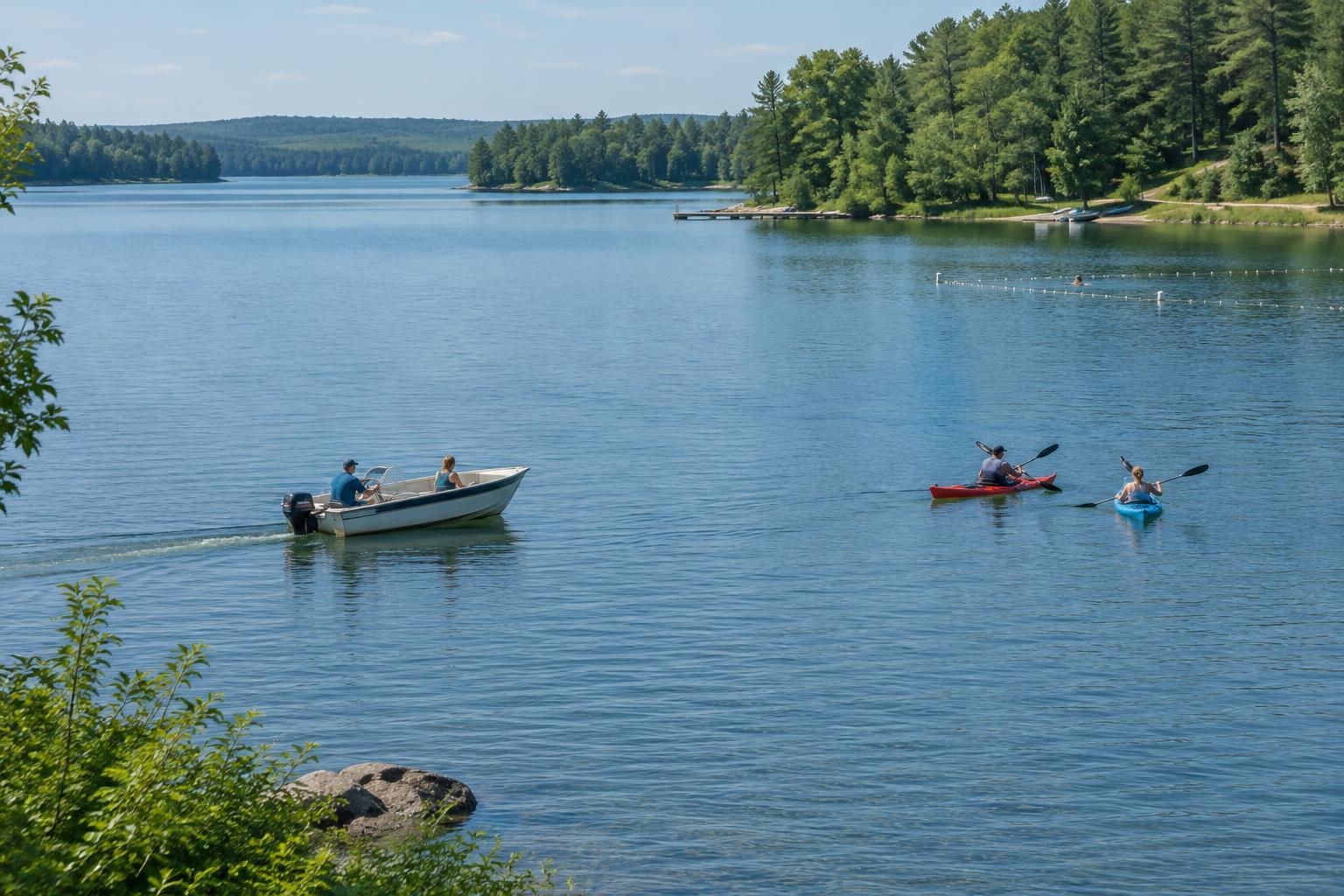
A lake can feel spacious from shore and surprisingly crowded once you are on it. Motorboats, sailboats, kayaks, paddleboards and swimmers travel at different speeds and have different limits on where they can go. Good etiquette begins with a steady lookout in every direction, especially near shorelines, docks, coves and launch areas. Glare, waves and other boats can make a person low to the water difficult to spot.
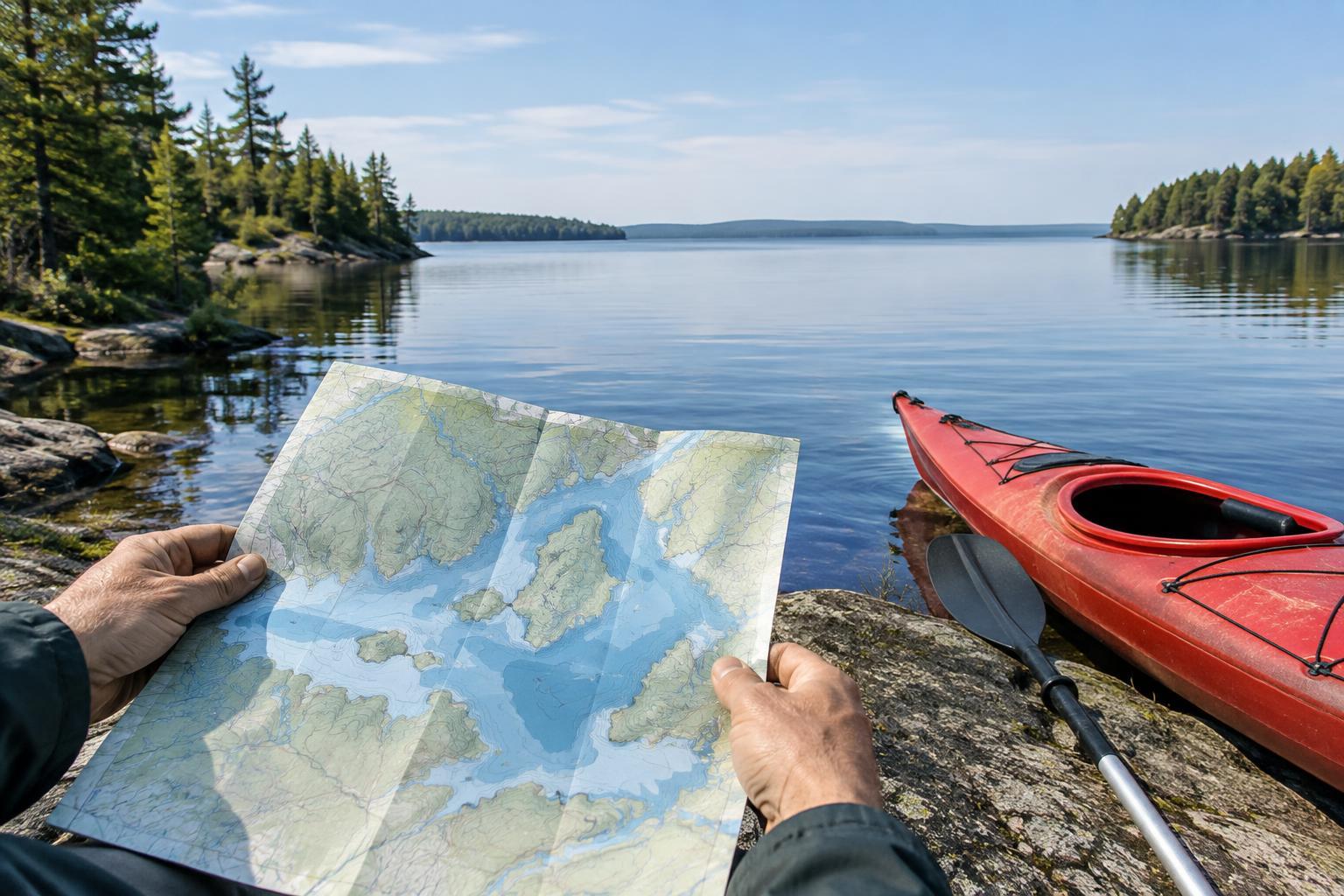
Before setting out, learn the lake’s posted rules, marked swimming areas and any local speed or no-wake zones. Conditions and requirements vary by location, so familiar habits from another lake may not apply. If you are unsure what someone else intends to do, slow down early and leave extra room rather than trying to pass close by.
Give paddlers a calm, predictable pass
Kayaks, canoes and paddleboards may change direction to avoid a shallow patch, a wave or a swimmer. Approach at a controlled speed, choose a route with generous clearance and hold a predictable course once you commit to it. Passing just far enough away to avoid contact is not the same as passing comfortably. A small craft can be affected by your wake after you have gone by.
For powered boats, slowing well before reaching a paddler often matters more than a last-second throttle change. Avoid accelerating immediately after passing if the resulting wake will roll toward them. Paddlers can help by staying visible, looking behind them before turning and avoiding sudden crossings in front of faster traffic. Neither group should assume the other has made eye contact.
Treat swimmers as hard to see
A swimmer’s head may be the only visible sign that someone is in the water. Give marked swim areas a wide berth and watch carefully near anchored boats, floating platforms and quiet shore access points. If you spot a swimmer outside an area where you expected one, reduce speed, keep your distance and check for others nearby. Never count on a swimmer being able to move out of your path quickly.
People heading out for a swim should choose a suitable location, stay aware of boat traffic and make themselves easier to notice when possible. A companion on shore or a properly used visibility aid may help in some settings, but neither replaces caution by boat operators. Where swimming is restricted, follow the posted boundaries rather than relying on what appears convenient.
Keep launches and narrow areas moving smoothly
Shared access points work best when preparation happens away from the ramp or dock. Organize gear, fit life jackets and review the plan before taking up a launch space. Once afloat, move clear of the immediate launch path when it is safe to do so. On the way back, be patient with newcomers and avoid blocking the approach while unloading or taking photos.
In narrow channels and near docks, leave more time to maneuver and avoid creating unnecessary wake. If another group seems uncertain, a brief, friendly signal can clarify your intention, but gestures should not replace slowing down and making room. Keep noise and conversation considerate near homes, fishing spots and places where people have come to enjoy a quiet shoreline.
Make courtesy part of the day’s plan
Sharing the water starts before departure. Check the forecast, carry the safety equipment appropriate for your craft and group, and choose an outing that matches everyone’s experience. If wind, poor visibility or heavy traffic makes a route uncomfortable, changing plans is often the better choice. Agree on simple ways to communicate with companions so a turn, stop or return to shore does not take anyone by surprise.
On the water, patience is usually the most useful piece of etiquette. Leave space for people to learn, give vulnerable lake users an unhurried pass and follow local rules even when an area looks empty. A considerate trip is not defined by how quickly you reach the next cove; it is one where everyone has room to enjoy the lake and return to shore comfortably.