Start with comfort, not an age chart
Age can suggest activities to consider, but it cannot tell you whether a child will enjoy a busy beach, a boat ride or cold water on their feet. Before choosing an outing, think about each child’s experience with water, willingness to try something new and need for quiet time. A child who loves a pool may still feel unsure at a lake where the bottom is hard to see.
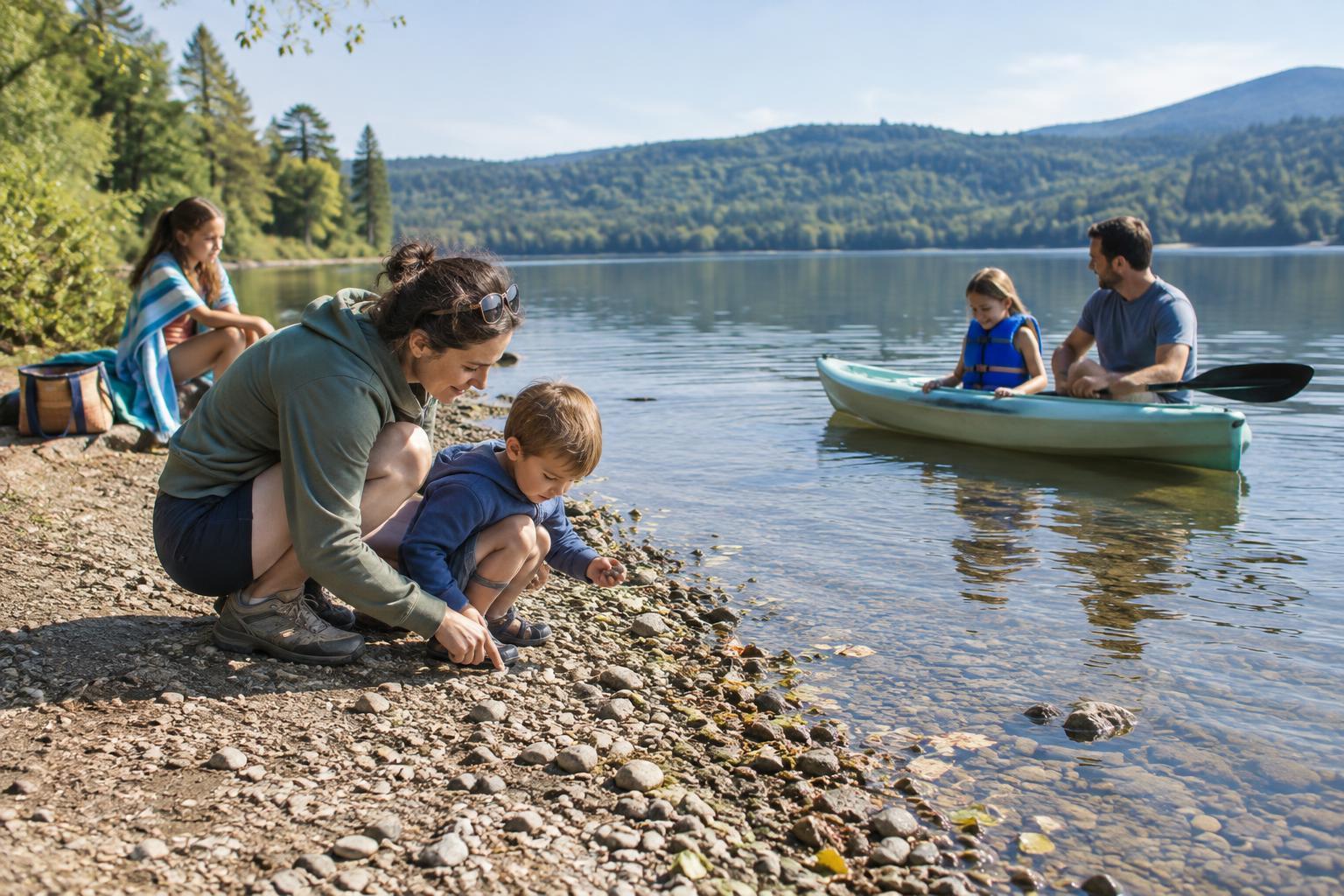
Offer a few appealing options rather than presenting one activity as the goal of the day. Watching ducks from a path, collecting interesting pebbles where permitted and taking a short paddle can all be worthwhile lake experiences. Let children observe an activity before joining in, and make it easy to stop or switch plans. That flexibility often makes a weekend feel more restful for everyone.
Keep the shoreline interesting for younger children
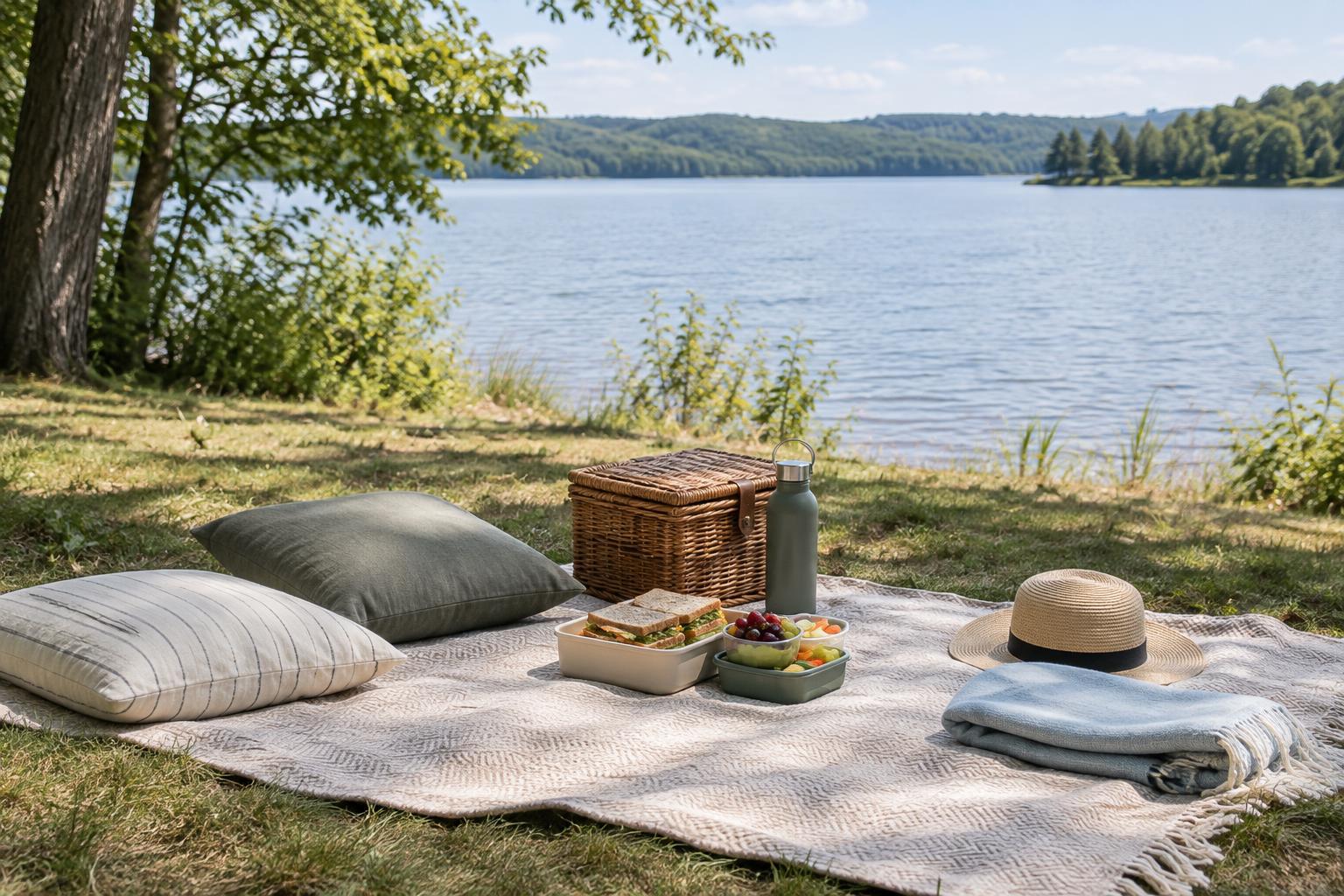
For babies and toddlers, a comfortable place to sit near the lake may be more useful than a packed schedule. Choose a spot with shade and space away from traffic or a steep bank. Simple activities, such as looking for ripples, listening for birds or pouring water between small containers, give young children plenty to explore without requiring a long excursion.
Young children can move toward water quickly, even when they seem occupied. Keep them within close, active adult supervision near the shore; shallow water is not a reason to look away. Check the ground for sharp objects, slippery surfaces and sudden drop-offs before settling in. Plan for snacks, dry clothes and an exit before anyone gets overtired. A brief, enjoyable visit is often easier to repeat than a long one that ends in frustration.
Give school-age children choices and clear boundaries
Many school-age children enjoy having a small mission: spotting different leaf shapes, sketching the view or taking photographs of reflections. On a suitable beach, they might also build with sand or try wading. Choose a clearly defined area and agree on boundaries before play begins. If swimming is part of the plan, an adult should watch attentively rather than assume that a child’s confidence or lessons make supervision unnecessary.
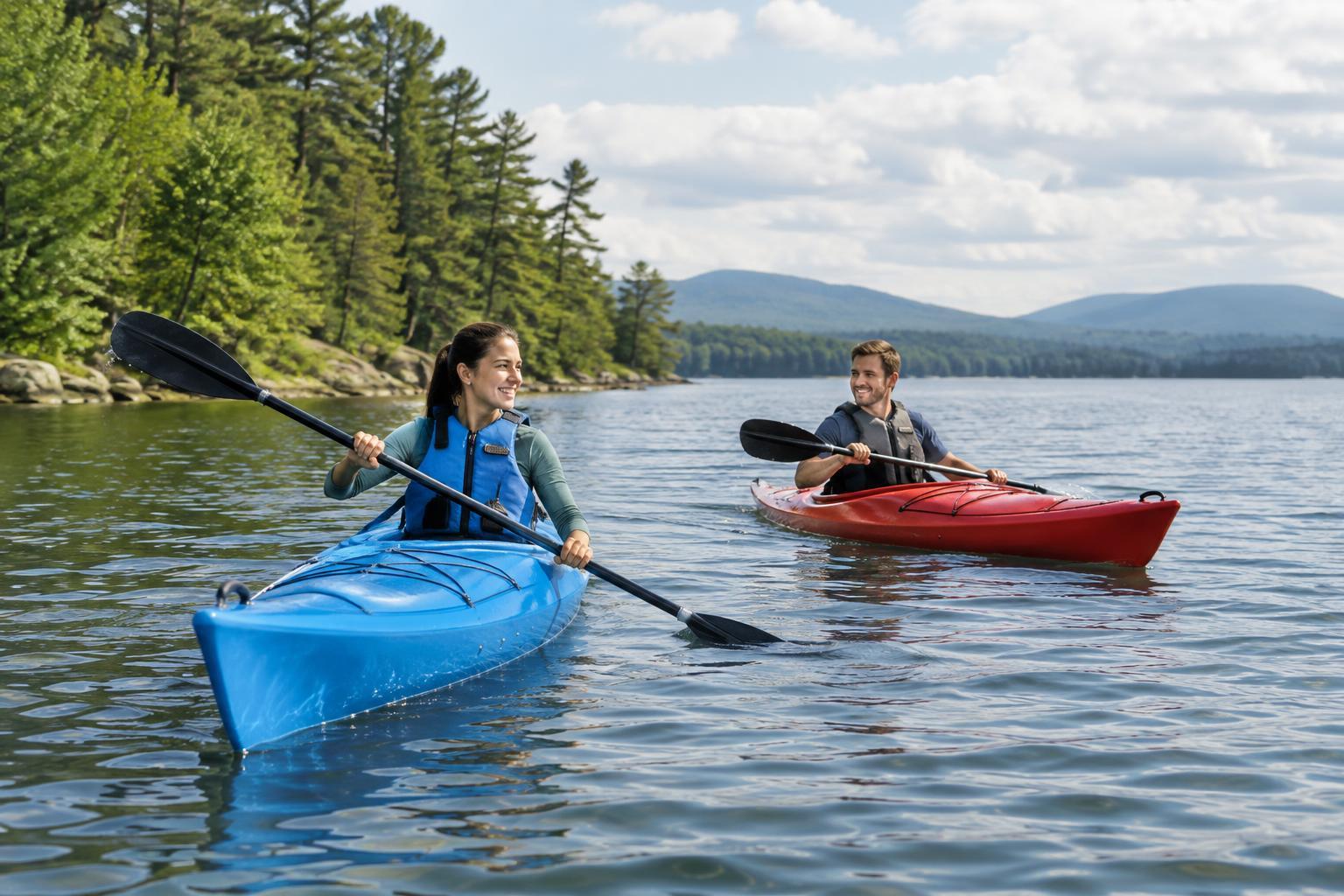
Short, structured activities can help children test their interest without committing the whole group. A guided nature walk, a brief fishing attempt where allowed or a paddle close to shore may suit some children; others may prefer to stay on land and watch. Follow site rules and any age or equipment requirements for boats and rentals. For boating, use properly fitted life jackets and make sure everyone knows what to expect before leaving shore.
Offer older children independence within the plan
Older children and teenagers may want more say in the day, especially if they have different interests from younger siblings. Invite them to choose between realistic options, such as an easy trail, a longer photography walk or a supervised paddling session. Give them a role in checking the route, gathering supplies or deciding when to take a break. Participation can feel more appealing when it is not framed as compulsory family fun.
Agree in advance on meeting points, where they may go and when they should check in. Comfort and skill still matter more than age: an older child who dislikes deep water should not be pushed into a boat, while an eager beginner may need a shorter outing than expected. If conditions change or anyone feels uneasy, head back. There is no need to complete a planned route for the day to count as a success.
Build a day that can change shape
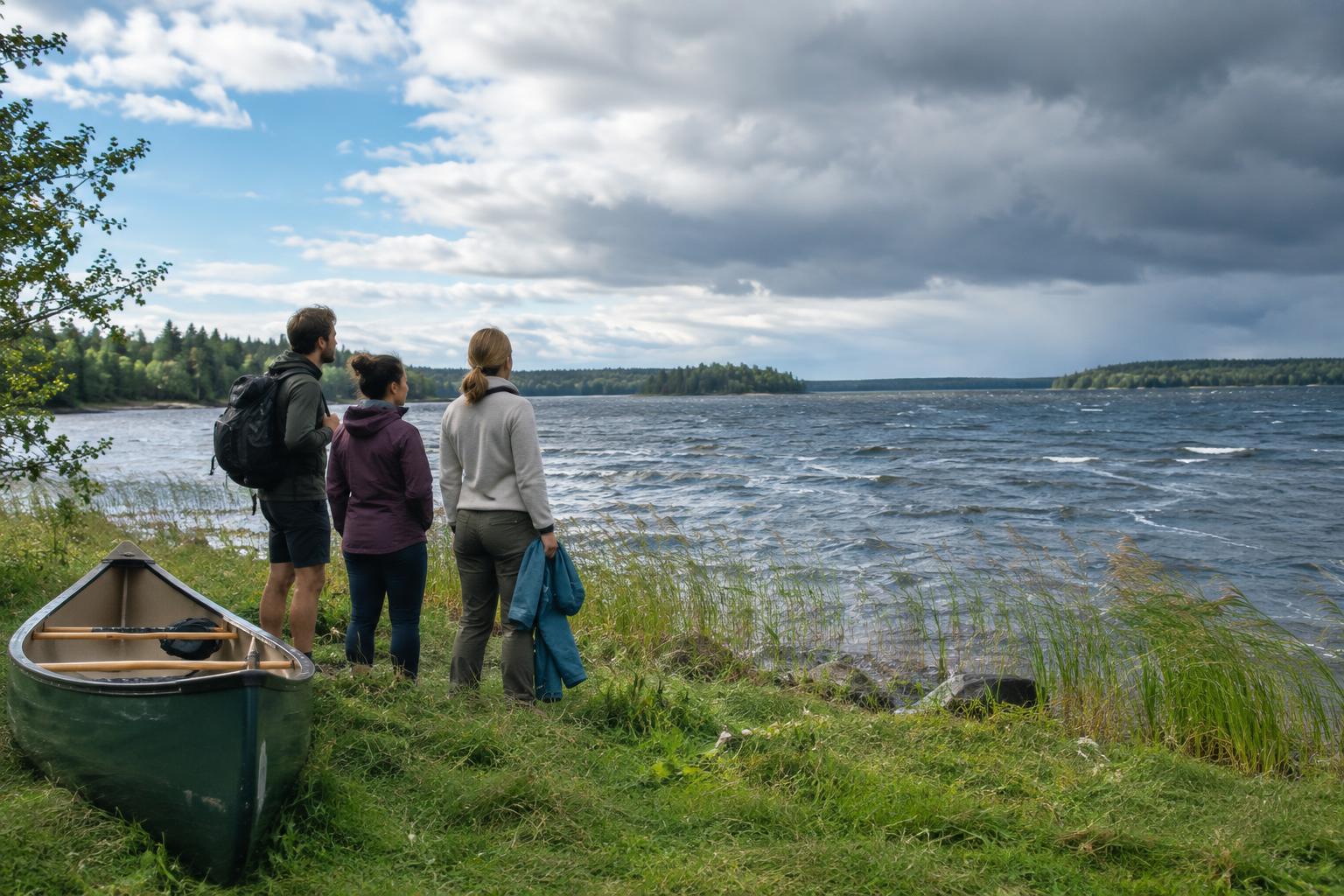
A useful lake-day plan has a main activity and an easy alternative. Check the forecast, access information and local notices before setting out, then look at the conditions again when you arrive. Wind, rain, poor visibility or a crowded launch area can make a quiet shore walk more appealing than time on the water. Pack drinking water, sun protection, layers and dry clothes so a small change in temperature or plans does not end the outing.
Leave open space between activities. Children who are hesitant at first may want to explore after watching for a while, while enthusiastic swimmers may suddenly need a rest. Ask what each child liked on the way home, not just what they completed. Those answers can guide the next visit and help you build lake traditions around curiosity and comfort rather than a checklist.