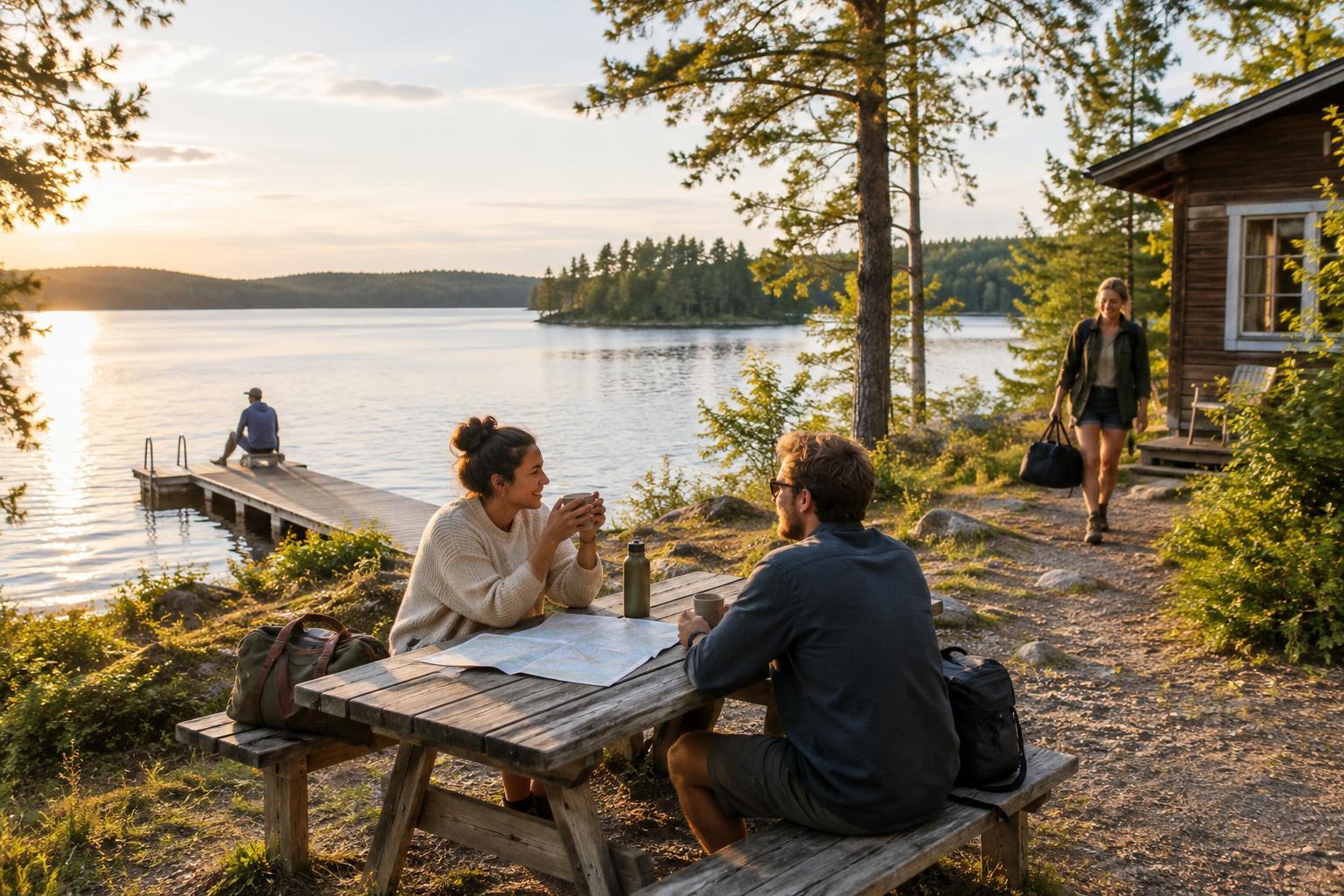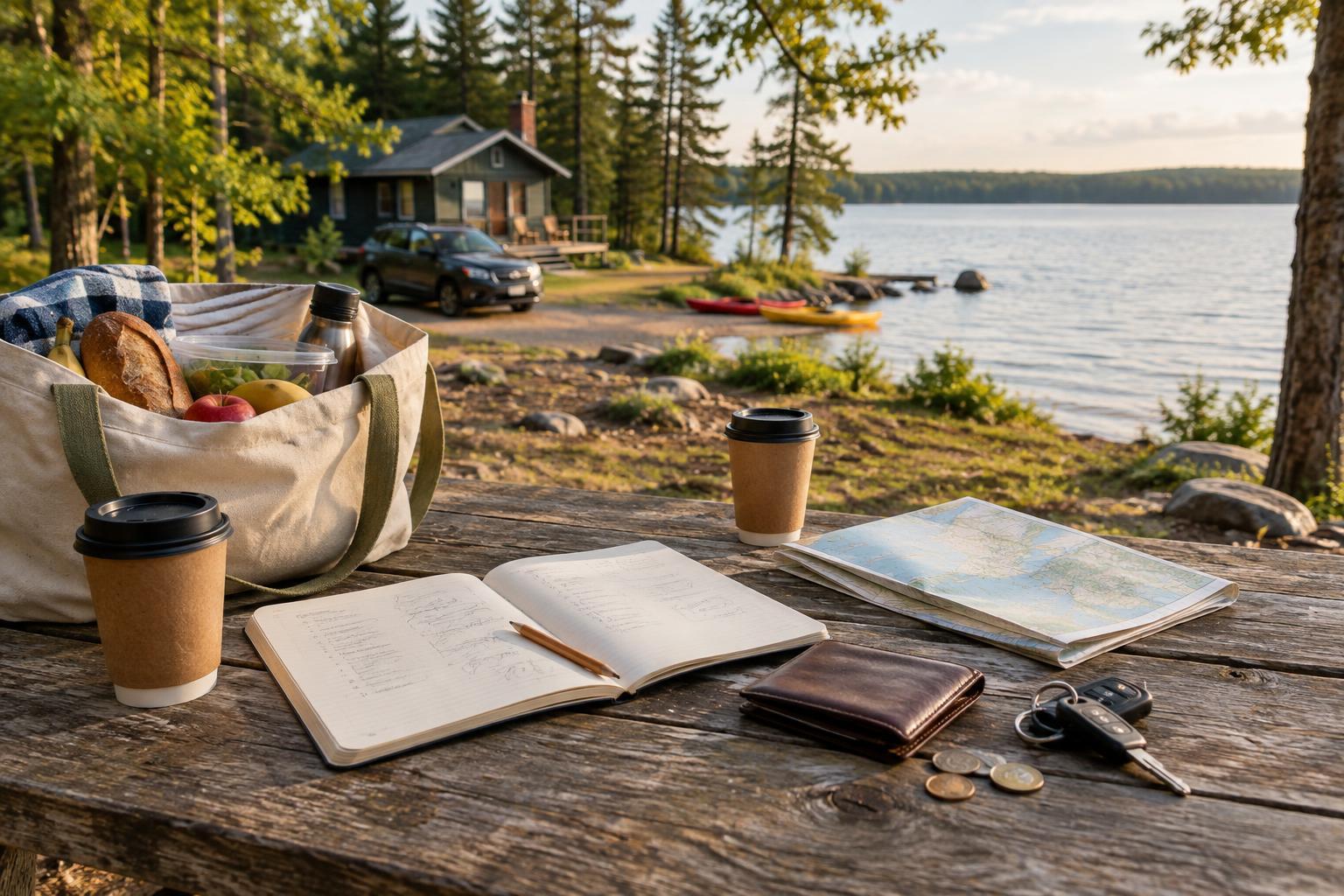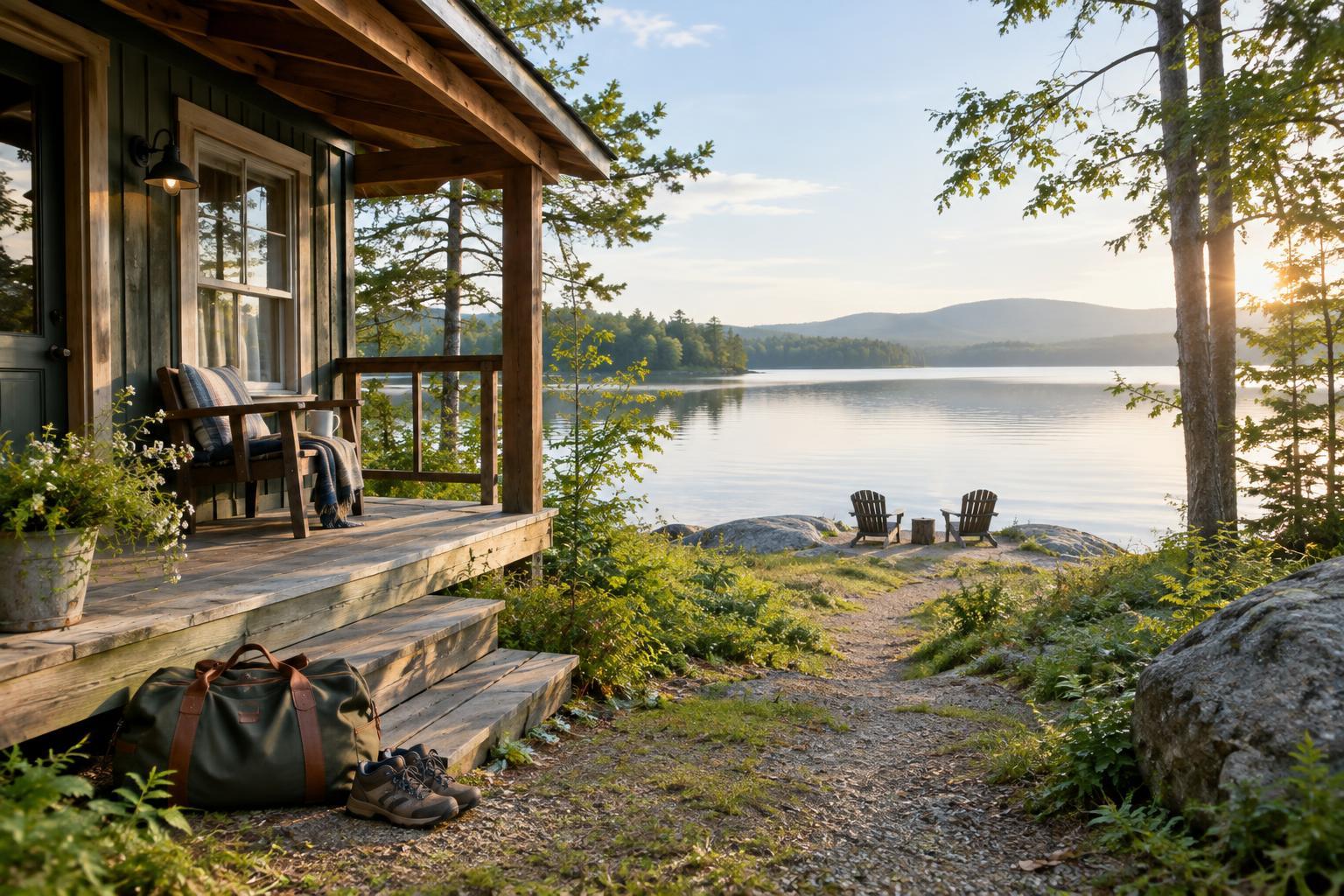
Start with the time you can actually enjoy
A one-night lake trip may sound like a full weekend, but arrival and departure shape how much time you have beside the water. Before choosing a stay, sketch the trip from the moment you leave home to the moment you return. Include the drive, stops, check-in, unpacking, meals, and the time you will need to get ready to leave. The hours left over are your lake time.
For a nearby lake, one night can be plenty. You might arrive in time for an evening walk, sleep somewhere comfortable, and spend the next morning outdoors before heading home. If getting there takes much of the day, the same plan may feel rushed. A second night gives you a complete day without a checkout time in the middle of it.
Match the stay to your main reason for going
Ask what you most want from the break. If the goal is simply to change your surroundings, share an unhurried dinner, and wake up near the lake, one night can deliver that. Keep the plan light: choose one place to stay, one easy activity, and a meal option that does not require a complicated schedule. The trip will feel more satisfying if you are not trying to fit a two-day wish list into a short visit.
Two nights make more sense when you want a mix of experiences, such as a paddle, a long walk, a leisurely meal, and time to sit with a book. They also leave room for an activity to take longer than expected. You need not fill every hour; the value of the extra night may be the freedom to linger.
Consider the pace of your group
The same itinerary can feel easy to one group and tiring to another. If you are traveling with young children, a dog, or someone who prefers a slower morning, build in time for ordinary needs and breaks. A one-night stay can still work well, especially close to home, but fewer planned stops will make it easier. If everyone is eager to get on the water early, arriving the night before may help the next day begin calmly.
Think, too, about what kind of Sunday you want. Some travelers enjoy coming home after a full day out; others prefer to return early enough to unpack and settle in. Two nights may offer a relaxed lake day, but they can also mean another morning of packing and a later journey home. Choose the rhythm that makes the trip restorative for your group, not just busy.
Check the practical details before you commit
Look at check-in and checkout times, parking arrangements, and any rules for activities you hope to do. A late arrival and early checkout can make a one-night booking feel especially short. If your stay allows you to park before check-in or after checkout, you may be able to enjoy more of the area without adding a night. Check these details rather than assuming they are available.
Compare the full cost of each option, not only the nightly rate. Meals, transport, equipment rental, and any minimum-stay requirements can affect the choice. Weather matters as well: an extra day gives you more flexibility if conditions change, though it cannot guarantee a sunny outing. If your main activity depends on calm water or clear skies, have a simple indoor or sheltered alternative in mind.
Use a simple rule of thumb, then leave room to relax
Choose one night when the lake is fairly close, your plans are modest, and you would be happy with an evening and a morning there. Choose two when travel takes a substantial share of the day, you want to try several activities, or you mainly want time without a schedule. If you are unsure, write down the one experience that would make the trip worthwhile. Then ask whether it still fits comfortably after travel and checkout are accounted for.
Whichever length you choose, resist the urge to measure the break by how much you accomplish. A short stay can feel generous when it has a clear focus. A longer stay can feel restful when some of its hours remain open. The best plan is the one that lets you arrive, notice where you are, and enjoy the lake without watching the clock the whole time.