Start with the trip you have planned
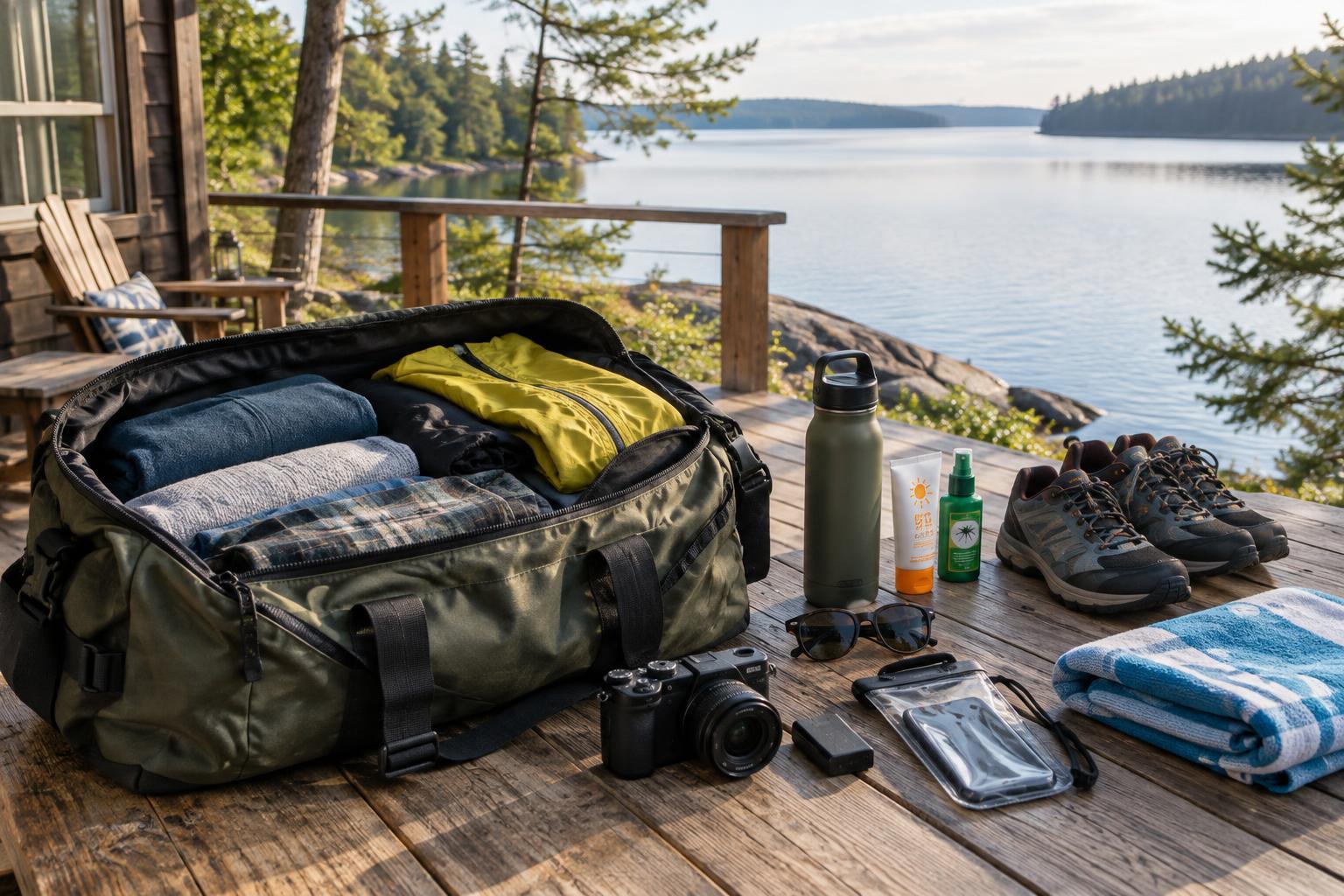
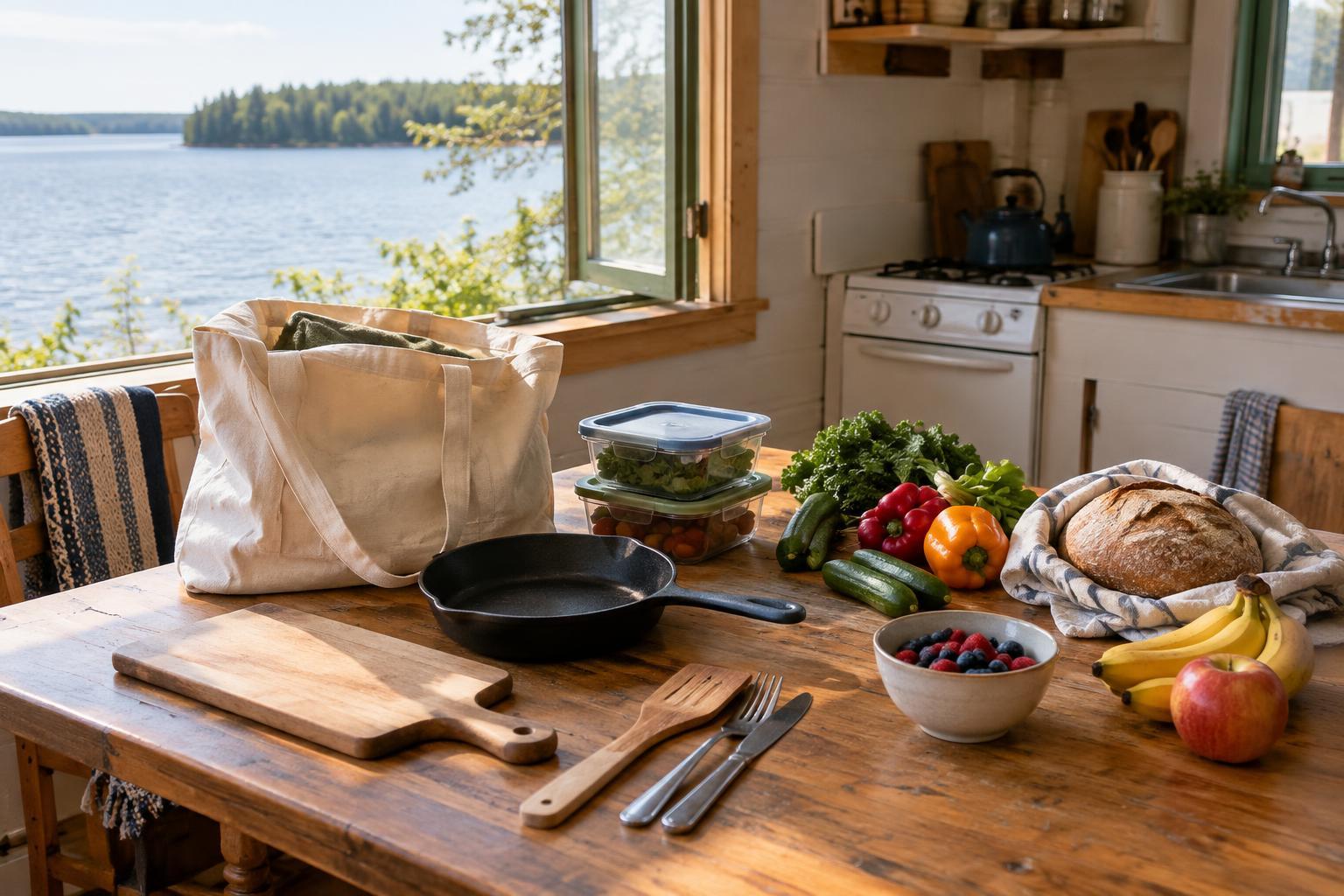
The most useful reusable essentials are the ones that fit your actual weekend. Before packing, picture where you will eat, how you will get around and what your accommodation provides. A picnic and a short walk call for different gear than a day on the water. Check whether your room has dishes, a kettle or a place to refill a bottle; bringing duplicates takes up space without helping much.
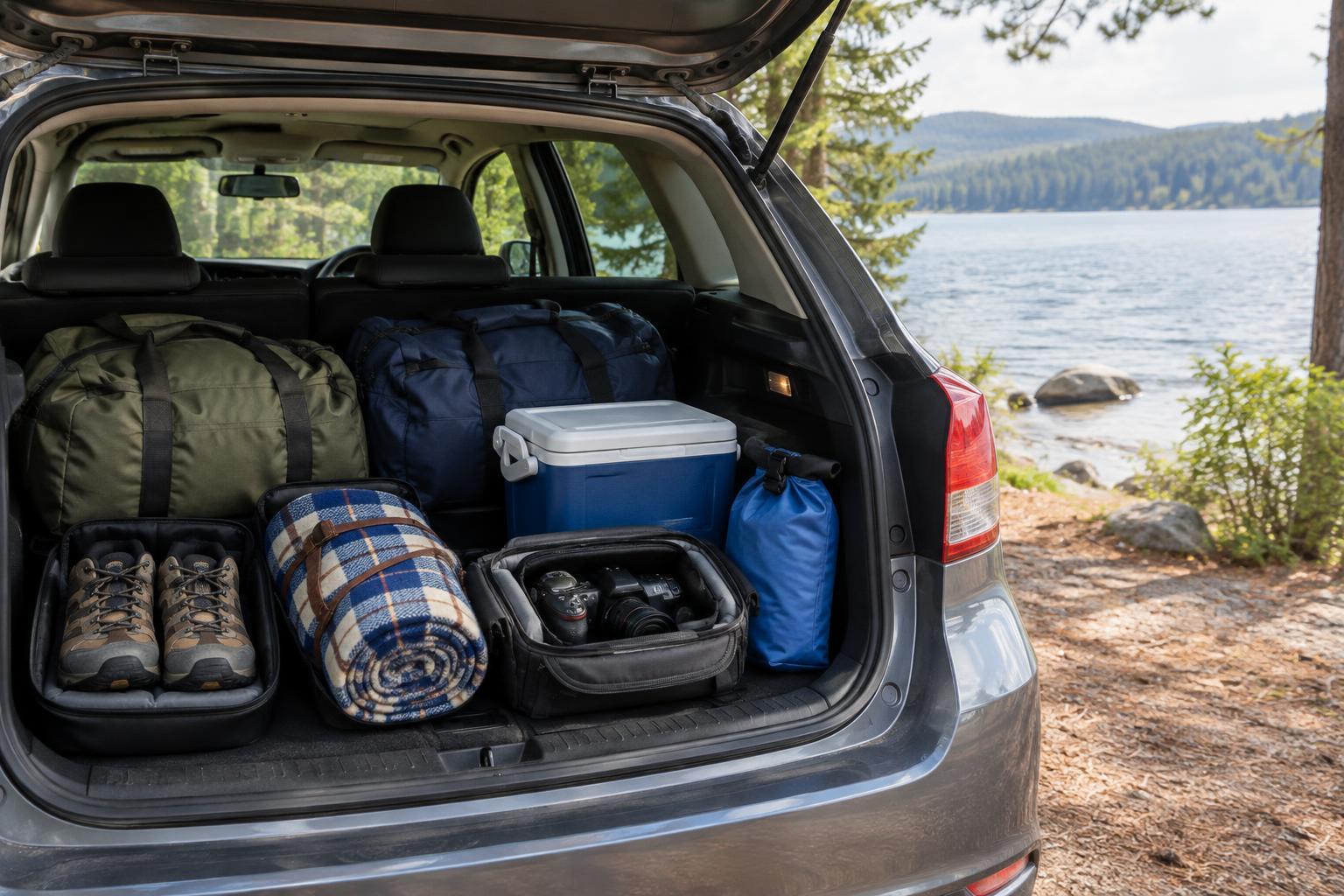
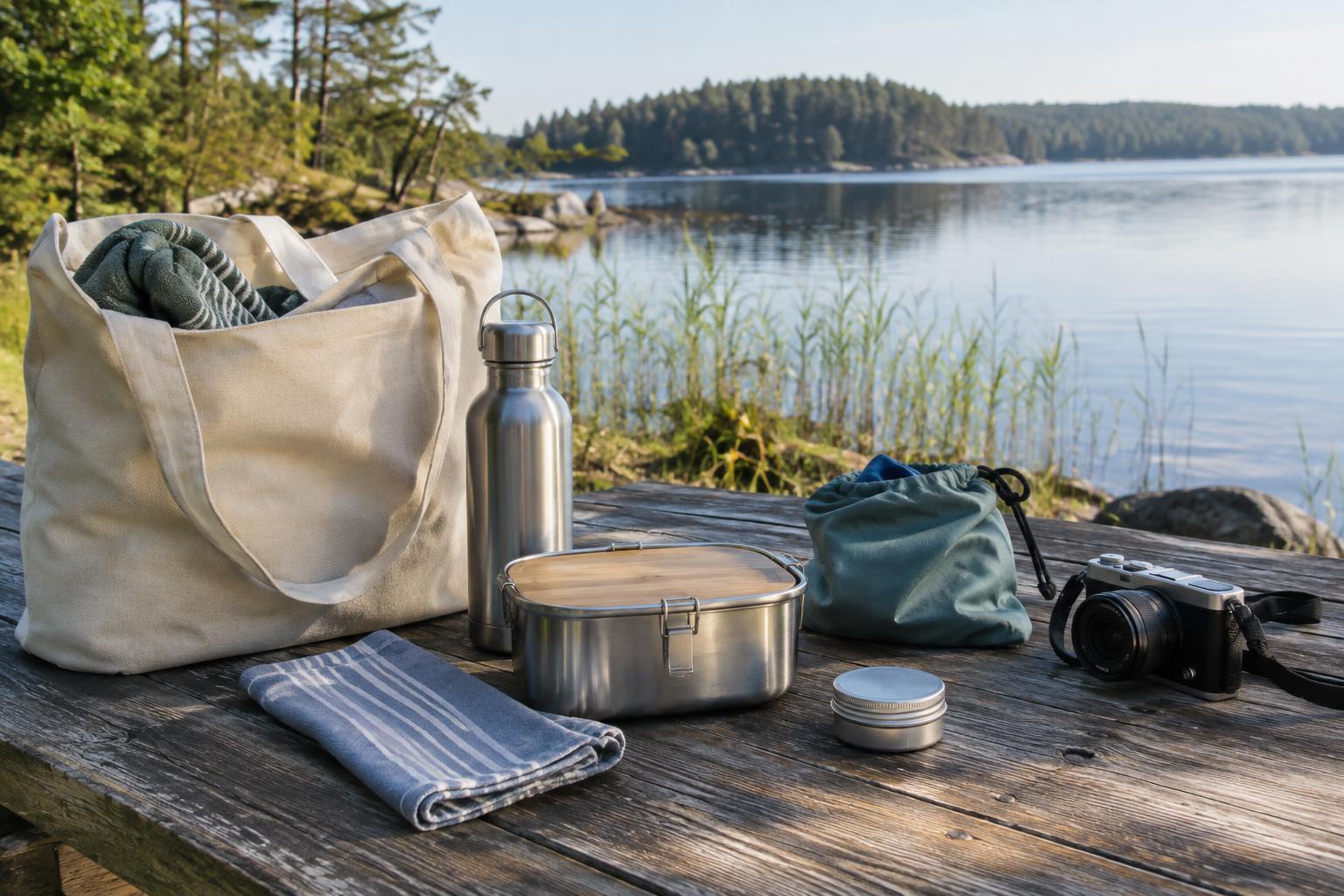
Choose items you already own before buying a matching travel set. One sturdy bottle, a washable food container and a small cloth bag can cover many ordinary stops. Leave room for the things that make the trip comfortable, too. A lighter bag is easier to carry down a path or across a dock, and a manageable routine is more likely to last beyond one weekend.
Build a simple drink and meal kit
A refillable water bottle is a practical starting point. Fill it before leaving your accommodation and check where drinking water will be available during longer outings. If you like a hot drink on a quiet morning by the lake, bring an insulated cup you enjoy using. Rinse bottles and cups regularly, especially after drinks other than water, and let them dry when you can.
For packed lunches, use a lidded container that fits the food you expect to carry. A reusable utensil and a cloth napkin may be enough for a picnic; a plate and full cutlery set are rarely necessary for every traveler. Keep perishable food at an appropriate temperature, and wash containers after use. If you plan to buy a takeaway meal, bring only containers that a food vendor is willing and able to fill.
Give wet and messy items their own place
Lakeside days often end with a damp swimsuit, muddy shoes or a towel that has not quite dried. A washable bag or a container reserved for wet gear keeps those items separate from clean clothes on the journey back. It does not replace drying: take everything out once you arrive and give fabrics time to air out before storing them.
A small reusable bag is also handy for carrying litter until you reach a suitable bin. Keep it separate from food supplies, and empty and clean it afterward. If you bring snacks in reusable pouches or containers, choose ones you can open and close with sandy or chilly hands. Convenience matters here; a clever system that is awkward outdoors may simply stay at the bottom of your bag.
Pack fewer toiletries and photo accessories
For a short stay, refillable toiletry containers can help you bring only the amount you need. Label them clearly and check that the lids close securely before putting them near clothing or camera gear. A washable washcloth can serve several purposes at your accommodation, provided you have a way to let it dry. Use products you know suit you rather than testing a new routine while away.
Photography can stay simple, too. A phone or camera you already use, a charged battery and a reusable lens cloth may be all you need for sunrise views or a picnic snapshot. If you carry a power bank, charge it before departure and bring the cable that fits your device. A protective pouch you already own can keep gear apart from damp towels without adding a collection of single-use wraps.
Make the return trip part of the plan
Before leaving, set aside a few minutes to gather your containers, utensils, bottles and bags. It is easy to forget a reusable item on a picnic table or in a shared kitchen. A quick check also helps you collect food scraps and packaging rather than leaving them near the shore. Follow posted guidance for waste and recycling, which can differ from place to place.
At home, wash and fully dry what you used, then put the kit somewhere easy to find for your next break. Notice what came back untouched. You can leave it behind next time and keep the items that earned their space. Lower-waste packing need not be perfect to be worthwhile: the aim is a comfortable trip with fewer unnecessary disposables and less forgotten gear.