Start with the experience you want
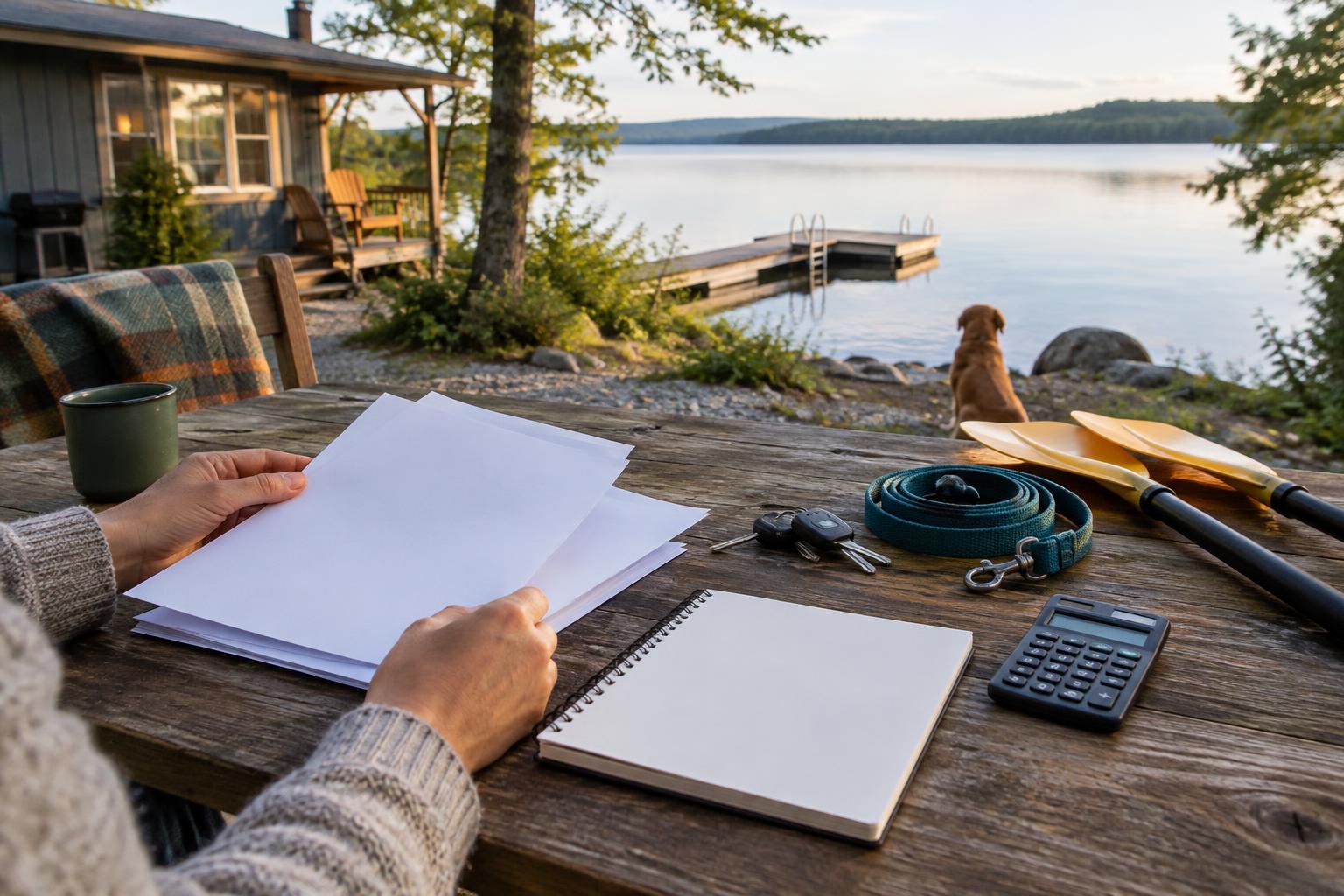
Lodging descriptions can make very different stays sound equally lakeside. A waterfront cabin, a room with a water view, and a guesthouse near the lake might all suit a relaxing weekend, but they offer different ways to spend it. Before comparing listings, decide what matters most: watching the water over breakfast, walking straight to shore, launching a kayak, or having a quiet base for exploring the area.
No single label tells you everything about a property. The shoreline might be rocky, the view might appear only from one room, or the nearest place to swim might be a public beach farther away. Treat descriptive terms as a starting point, then check the details that would shape your day.
What the common labels usually suggest
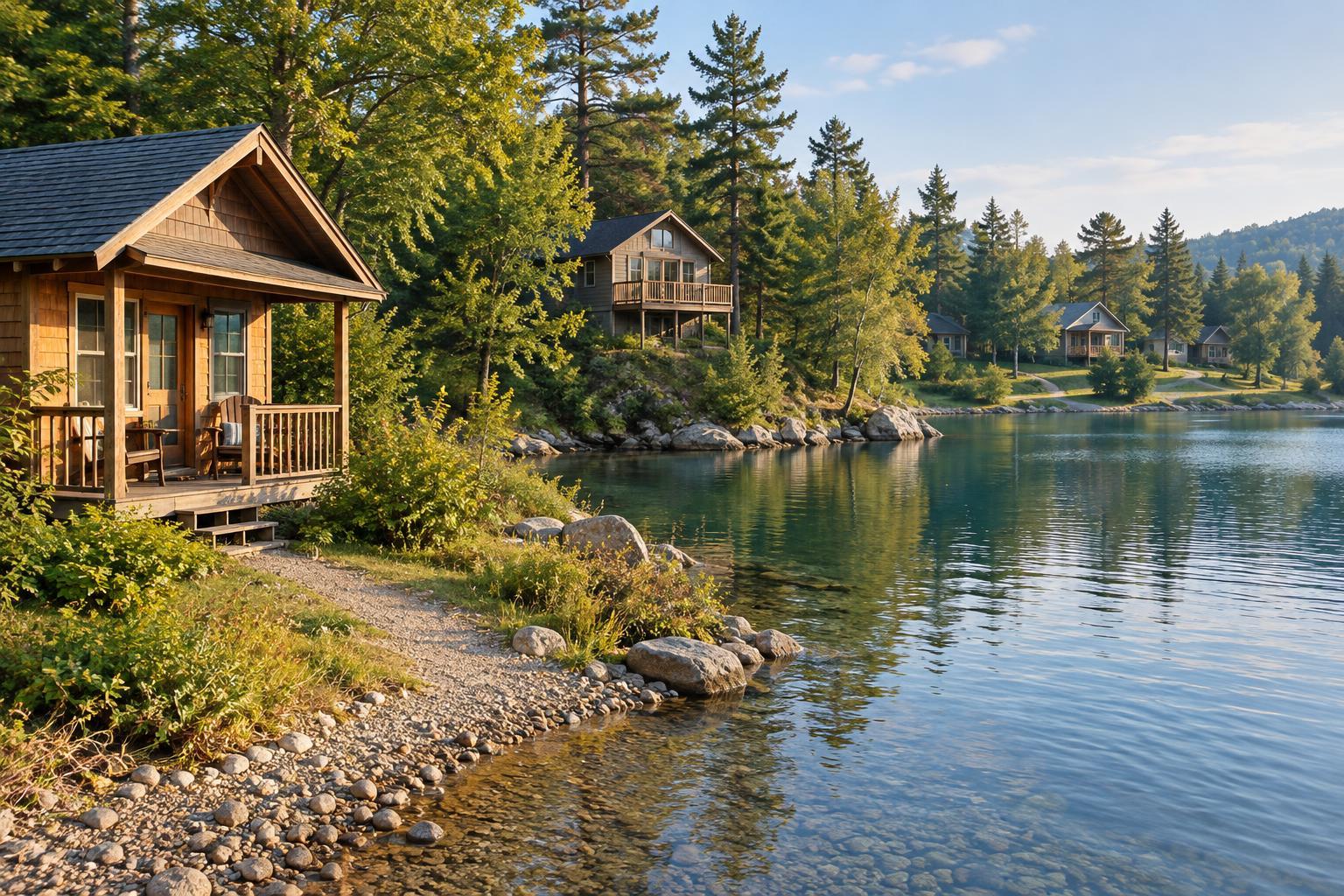
Waterfront generally means the property meets the water or has land along the shore. It does not necessarily mean every room faces the lake, guests can use the entire shoreline, or the water is suitable for swimming. A waterfront stay may have a dock, a lawn ending at the bank, or a steep path down to the edge. If shore time is central to your trip, look for a clear description of where guests can go and what they can do there.
Water view describes what you can see rather than where you can walk. A room across a road or set back on a hill may have a beautiful outlook without direct water access. Views can also vary by room, floor, season, and nearby trees. Check whether the view belongs to the specific room you are considering, rather than to a shared deck or another part of the property.
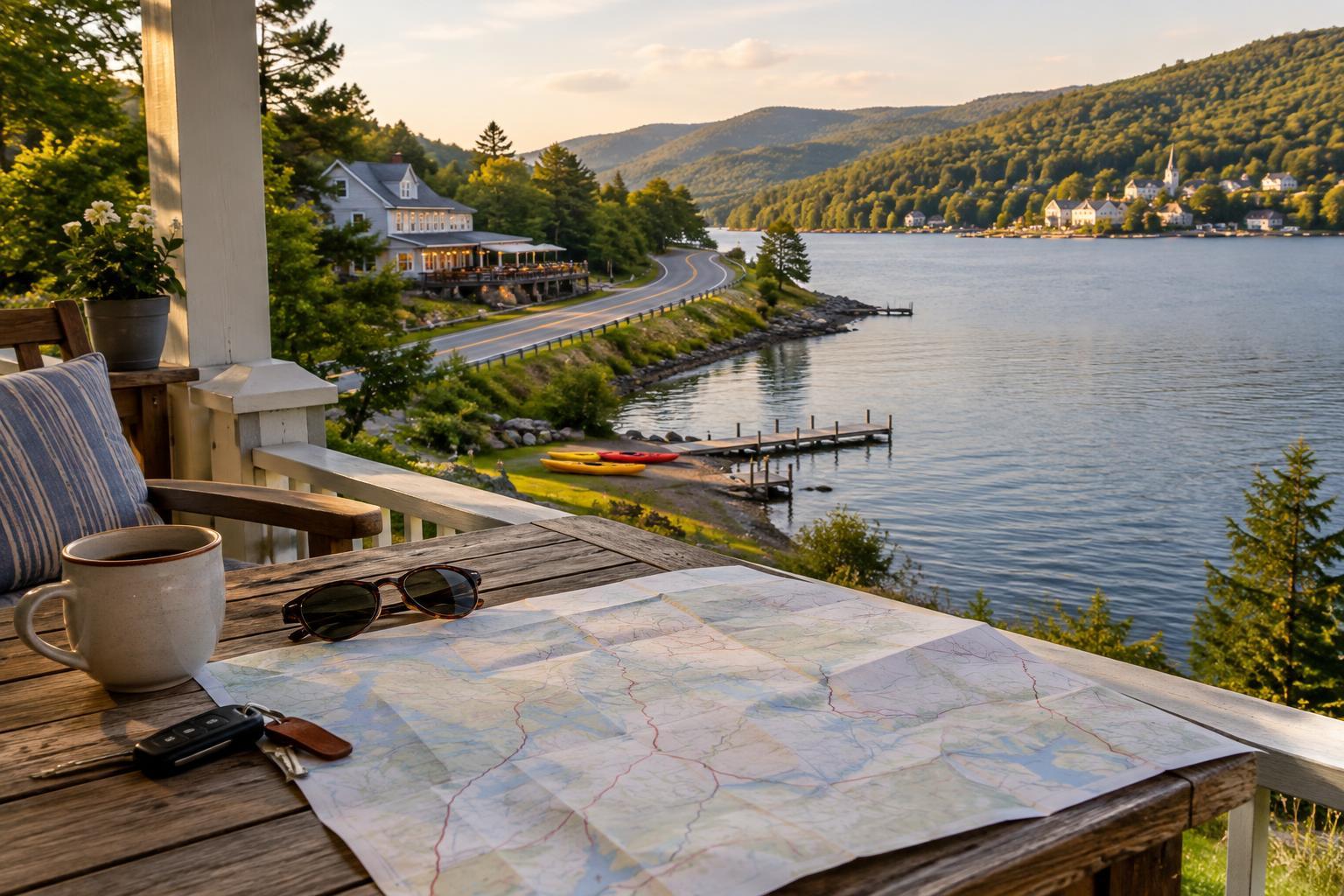
Near the lake is the broadest phrase. It may mean an easy stroll, a short drive, or simply a location within a lakeside town. That can still be an excellent choice if you plan to visit several trails, beaches, or restaurants. Ask for the distance and route to the particular lake access point you intend to use, not just the distance to the water on a map.
Separate access from proximity
Being close to the shoreline does not automatically provide a way to reach it. A road, neighboring parcel, fence, or steep slope may sit between a lodging and the lake. Even a property that touches the water may reserve its dock for certain guests or limit the use of boats and other equipment. Descriptions such as private beach or lake access are most useful when they explain who can use the space and how to get there.
Match access questions to your plans. If you hope to swim, find out whether there is a designated swimming area and what the entry is like. If you are bringing a kayak or paddleboard, ask where equipment can be carried and stored, and whether launching from the property is permitted. For a gentle evening walk, the quality of the footpath may matter more than a dock.
Consider the whole route, especially if you will be carrying gear or traveling with someone who needs an easier path. A listing may truthfully say that the water is close while leaving out stairs, uneven ground, or a long walk around a barrier. Photos of the route and a direct answer from the host or lodging team can be more helpful than a distance alone.
Read photos, maps, and room details together
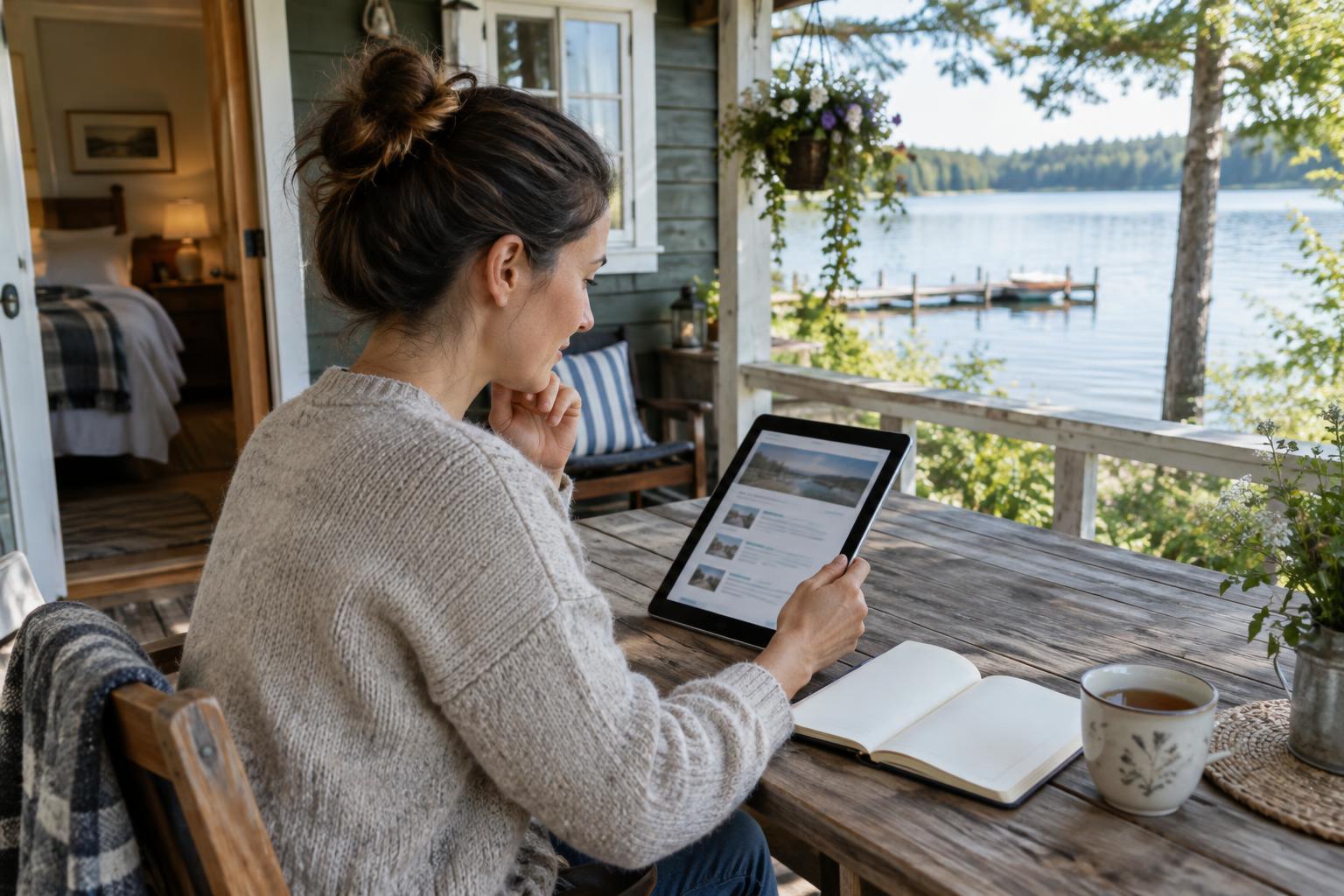
Begin with the photos, but notice what each one actually shows. A wide landscape image may establish the setting without showing the view from your room. Look for captions or descriptions that identify the balcony, window, shared terrace, and shore path. If a particular view is important, confirm that the room type you select includes it; similar rooms within one property can face different directions.
Then use a map to understand the layout. Look for roads between the building and the shore, the location of public access, and the likely route to places you want to visit. A map cannot reveal every slope or boundary, so compare it with the listing’s written details. If the images and description leave a meaningful gap, ask a specific question such as, “Can guests walk from this room to the lake without leaving the property?”
Choose the right fit, not the grandest label
Waterfront is appealing when easy shore time is your priority, but a water-view room may be better for a quiet morning indoors. A place near the lake can give you more flexibility if most of your weekend will be spent hiking, dining out, or visiting different beaches. Think about how often you will use the feature you are paying for, rather than assuming the closest property is always the best match.
Before booking, make a short checklist: the view from your exact room, the walking or driving route to the shore, guest access to outdoor spaces, and any activity-specific details you need. Clear answers make it easier to picture the stay as it really is. The best lakeside lodging description is not the one with the most inviting phrase; it is the one that helps you plan a weekend you will enjoy.