Start with the forecast and your actual plans
Rain can mean anything from brief showers to a day spent mostly indoors. Before packing, check the forecast for the hours you expect to be outside, along with the temperature and wind. Then picture your likely weekend: a walk along the shore, a café stop, an evening at your accommodation, perhaps a short outing by boat. Pack for those plans rather than every activity you might possibly try.
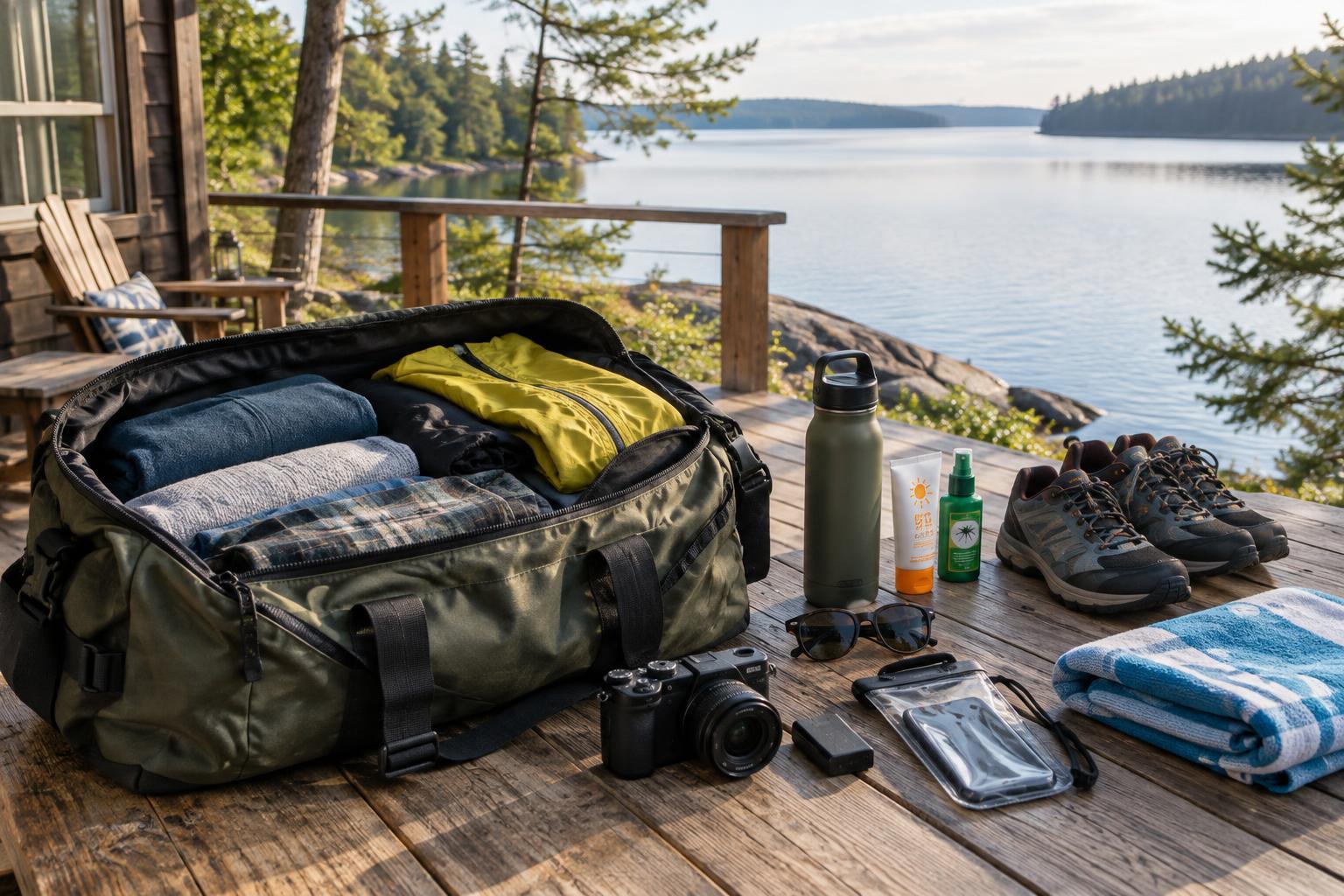
A compact weekend bag is easier to manage if most items can serve twice. Choose clothes that work for both a casual meal and a damp morning stroll. If your accommodation provides towels, toiletries or laundry facilities, you may be able to leave extras at home; confirm what is supplied before relying on it. Keep one complete dry outfit available for the journey home.
Build a small, flexible clothing kit
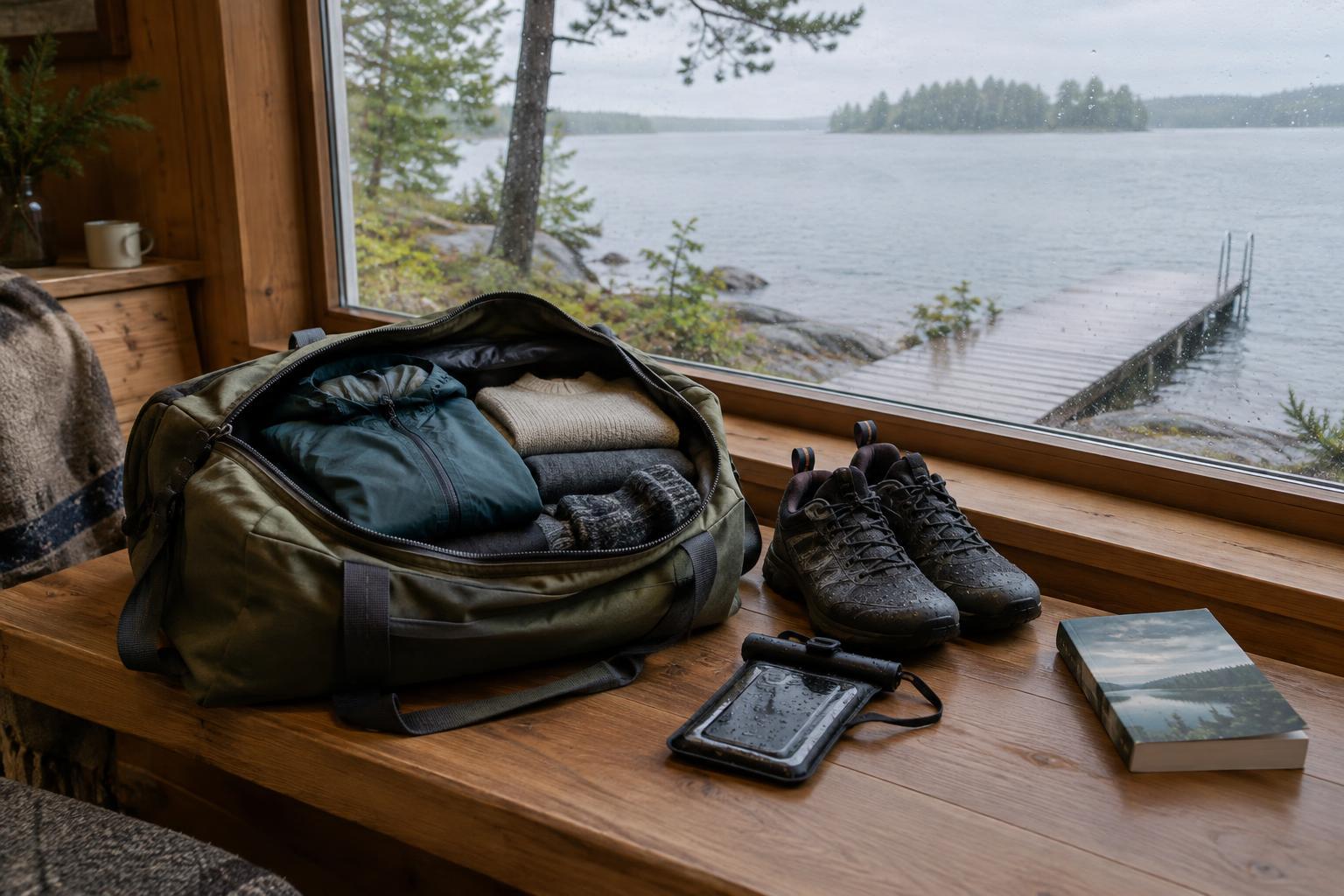
The most useful rain layer is one you will actually wear. Bring a lightweight waterproof jacket with a hood, ideally roomy enough to fit over a warm layer. An umbrella can be pleasant for short walks in town, but a jacket leaves your hands free on uneven paths and may be easier to use when it is windy. You usually do not need both heavy rain gear and several spare coats for a short break.
Under the jacket, pack a comfortable base layer and one warmer layer, such as a fleece or sweater, that can go on or off as conditions change. Add a second top, sleepwear and enough underwear and socks for the trip. An extra pair of socks earns its space if your feet get wet. Choose trousers that feel comfortable when damp and can dry between outings; bulky denim may be less convenient if you expect steady rain.
Give footwear and wet items a plan
Bring one pair of shoes with dependable grip that you have worn before. Water-resistant walking shoes or ankle boots can suit paths and casual stops without taking up as much room as specialized gear. If your plans include muddy trails, check whether those shoes are suitable for the route; if you will mostly move between the car and a cozy stay, ordinary comfortable shoes may be enough. Avoid packing a second outdoor pair without a clear reason to use it.
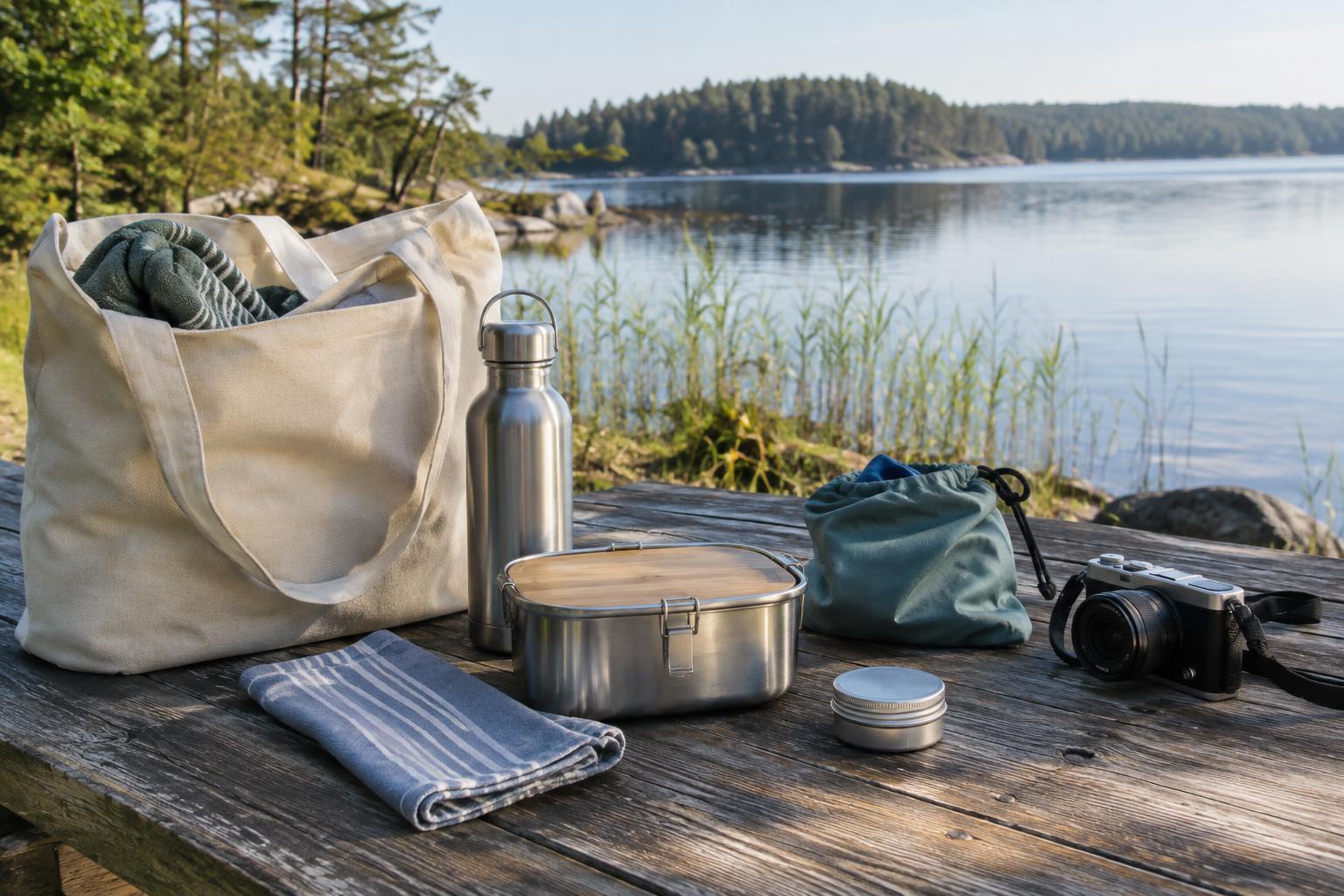
A reusable waterproof pouch or a couple of sealable bags can separate damp socks, a swimsuit or a wet jacket from clean clothes. A small cloth is handy for wiping a seat or drying hands after a shower. Give wet items a chance to air out when you return to your room, and follow the accommodation’s guidance about where to hang them.
Protect essentials without filling the bag with gadgets
Keep your phone, wallet, keys and any necessary travel documents in an easy-to-reach inner pocket or water-resistant pouch. Pack your usual charger and, if you expect long stretches away from an outlet, a charged power bank. A compact reusable water bottle and a few familiar snacks can make a delayed walk or a quiet afternoon more comfortable without requiring a full picnic kit.
For photographs, start with the camera you already use, whether that is your phone or a dedicated camera. A soft cloth for water spots and a small protective bag are more useful than extra lenses you do not have a specific shot in mind for. Keep equipment sheltered until you are ready to take a picture, and do not assume a device is waterproof simply because it can tolerate a little moisture. Rain on a window, reflections near a covered porch and low clouds over the lake can all make appealing images without exposing your gear for long.
Leave room for a comfortable change of pace
A rainy weekend often includes more time inside than planned. Bring one small pastime you genuinely enjoy, such as a book, sketchbook or downloaded audio, rather than a stack of options. If you plan to visit local businesses, check their opening hours as you go instead of packing around an ambitious itinerary. A flexible plan makes it easier to take a short walk during a break in the rain and settle in when showers return.
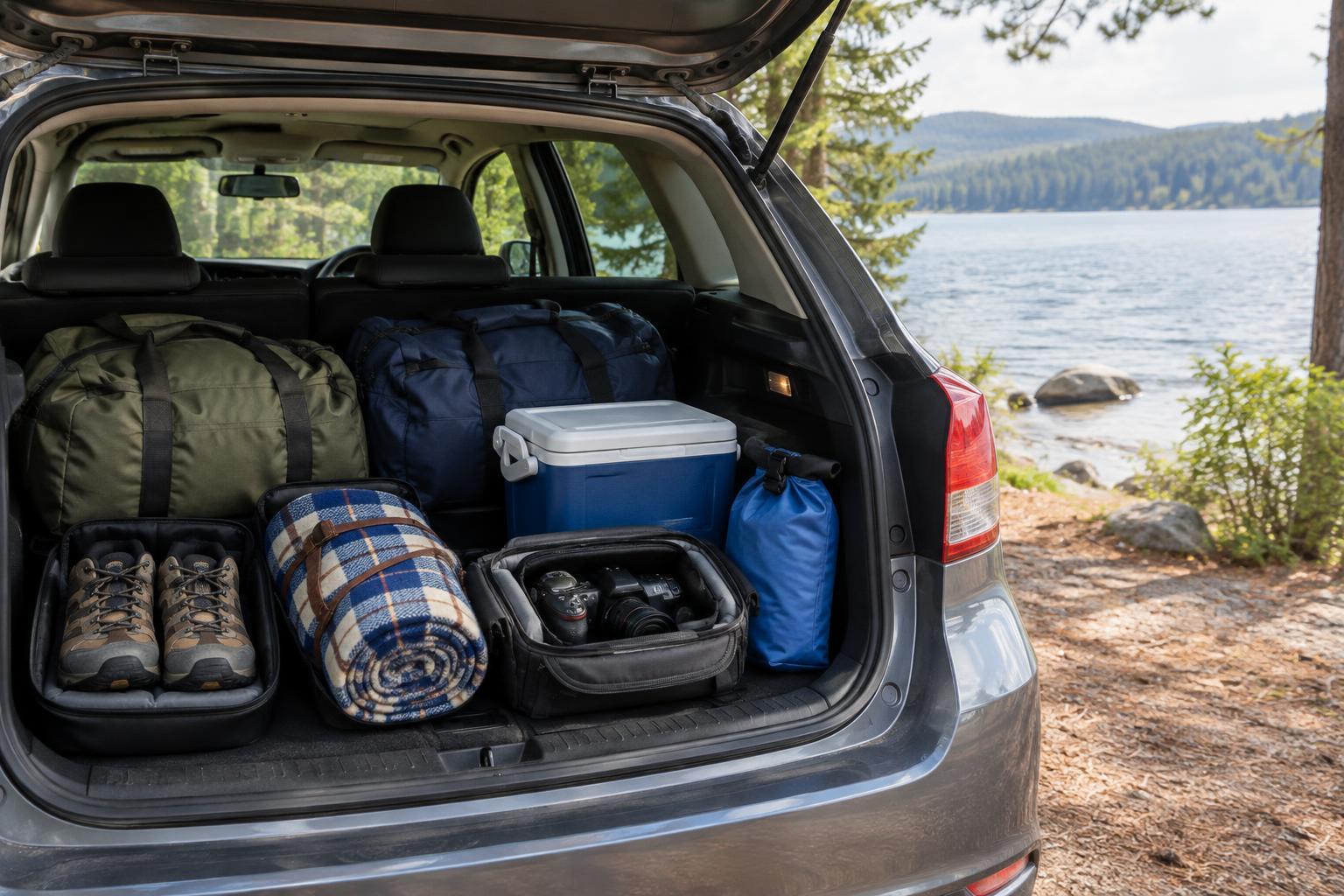
Before closing your bag, lay everything out and remove duplicates. You need a way to stay warm, a way to keep your essentials dry and enough clean clothing for the length of the trip. Once those needs are covered, space in your bag is useful too: it makes wet gear easier to separate and the journey home less of a squeeze.