Start with the deadline, not the label
A weekend by the water is easier to look forward to when you know what would happen if your plans changed. “Flexible,” “partially refundable” and “nonrefundable” are useful labels, but the written terms tell you more. Read the policy attached to the exact room or property and rate you intend to book. A small lakeside inn may offer several rates with different conditions, while a cottage listing may set its own rules.
Find the last date and time you can cancel without a charge, and check which time zone applies. Then look at what changes as the arrival date gets closer. Some policies have more than one stage: a full refund early on, a partial refund later, and no refund shortly before check-in. If the wording leaves you unsure whether the deadline is inclusive, ask before you reserve.
Work out what you would actually get back
A refund of the nightly rate may not mean a refund of the entire amount you paid. Look separately at deposits, booking or service fees, cleaning charges, taxes and any optional extras. Check when each payment is due and whether an unpaid balance would still be charged after a late cancellation. It helps to compare the policy with the full price breakdown at checkout rather than relying on a headline percentage.
Also note how a refund would be issued. A policy may distinguish between money returned to the original payment method and credit toward a future stay. If credit is offered, check its expiry date and any limits on when it can be used. For a short break, even a modest difference between a cash refund and a restricted credit could affect which rate feels right for you.
Check changes, shortened stays and unexpected departures
Cancellation is not the only way a plan can shift. You might want to move your trip by a week, arrive a day late or leave early. Read the terms for date changes and shortened stays as well as outright cancellations. A change may depend on availability, require a price adjustment or be treated as a cancellation followed by a new booking. Do not assume that moving your dates preserves the original rate or refund deadline.
If you are travelling with others, decide who will manage the reservation and how you will handle a change in group plans. It is worth checking whether a booking can be transferred to someone else, particularly if one person reserves a cabin for the whole group. Confirm the number of guests before booking, too: changing the guest count may affect the price or whether the property can accommodate everyone.
Read the weather and disruption terms carefully
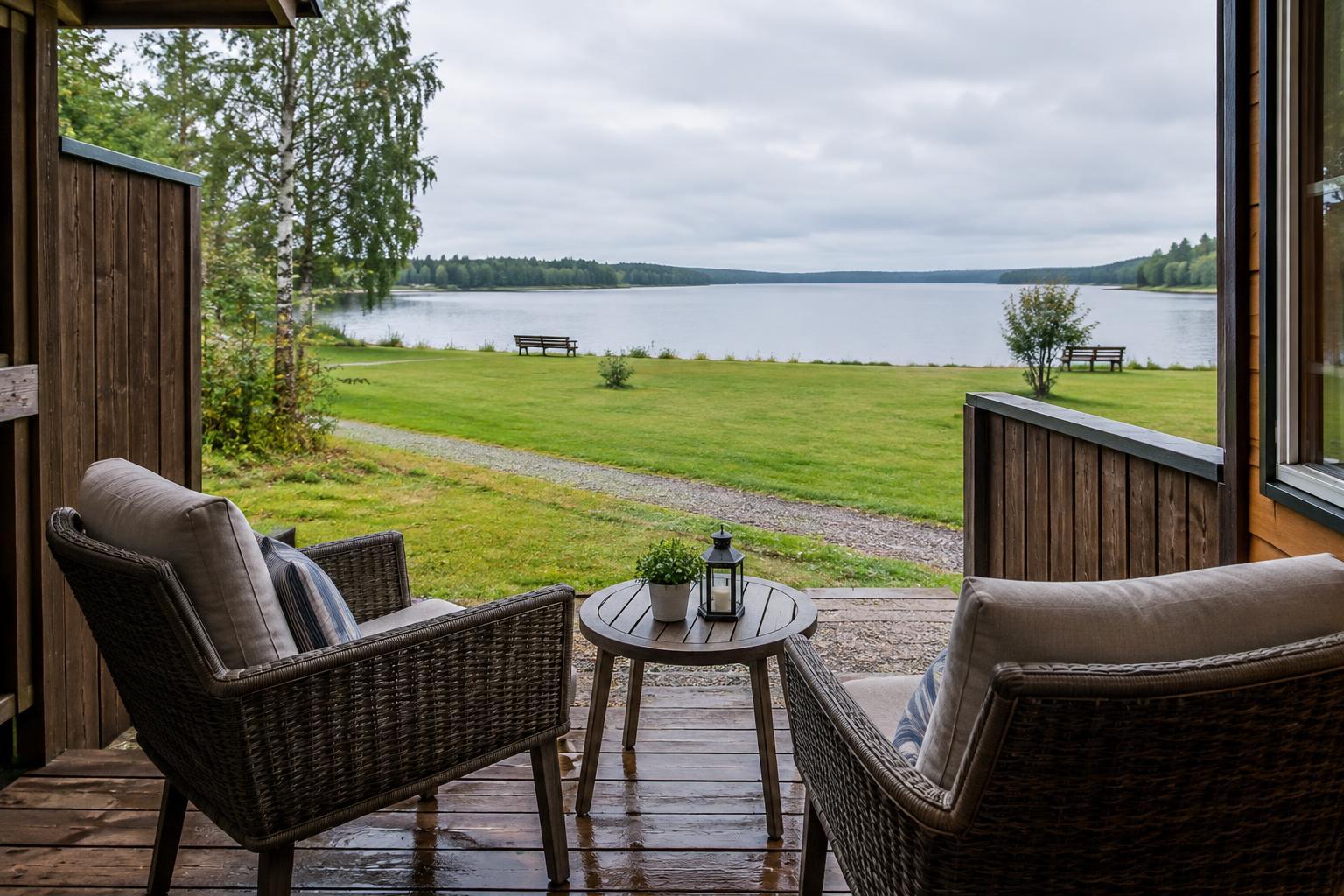
Lake weekends often revolve around swimming, paddling, walking or sitting outside, so an unsettled forecast can be disappointing. Ordinary bad weather, however, may be treated differently from a closure or another disruption that prevents a stay from going ahead. Check whether the policy addresses weather, road access, travel delays and interruptions to on-site amenities. Avoid assuming that a rainy weekend automatically qualifies for a refund.
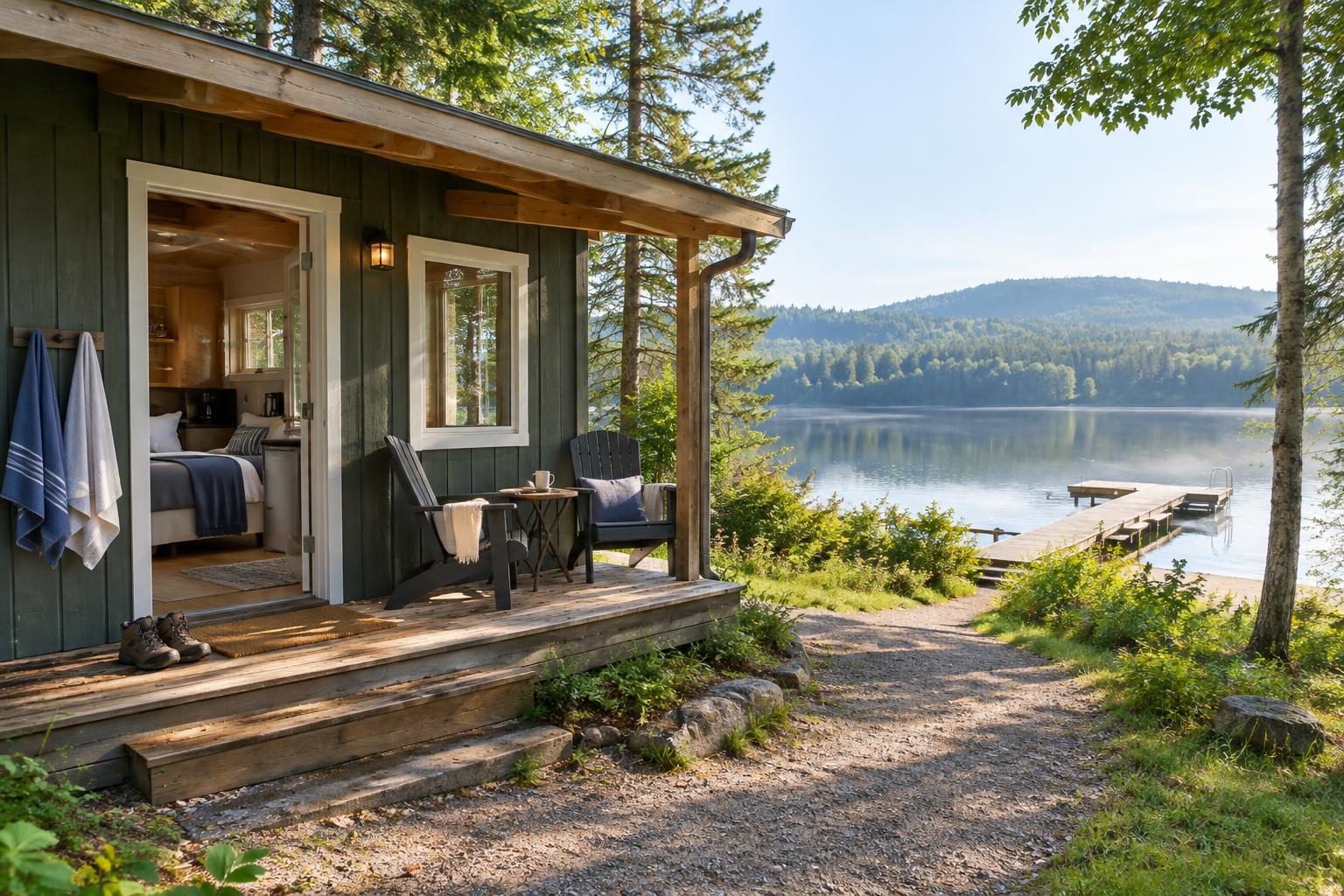
If a particular feature is central to your plans, such as a dock, boat rental or lake access, check how it is described in the listing and whether it has separate terms or seasonal limits. A stay can still be available even when an activity is not. Consider what you would enjoy doing indoors or nearby if conditions change; that can help you decide how much booking flexibility you need.
Keep the terms you agreed to close at hand
Before you confirm, review the cancellation terms on the final booking screen. If you book through a third-party platform, note which terms apply to the stay and which apply to any extras booked separately. Save the confirmation and a copy or screenshot of the policy shown at booking, along with the property’s contact details. That gives you a clear reference if you need to ask a question or request a change.
The best policy for your trip depends on how settled your plans are. If you have fixed dates and are comfortable with the risk, a less flexible rate may suit you. If your group, transport or schedule is uncertain, a rate with a later cancellation deadline may be more useful. Taking a few minutes to compare the terms before paying can keep the practical side of your lakeside break as relaxed as the stay itself.