Start with a plan you can change
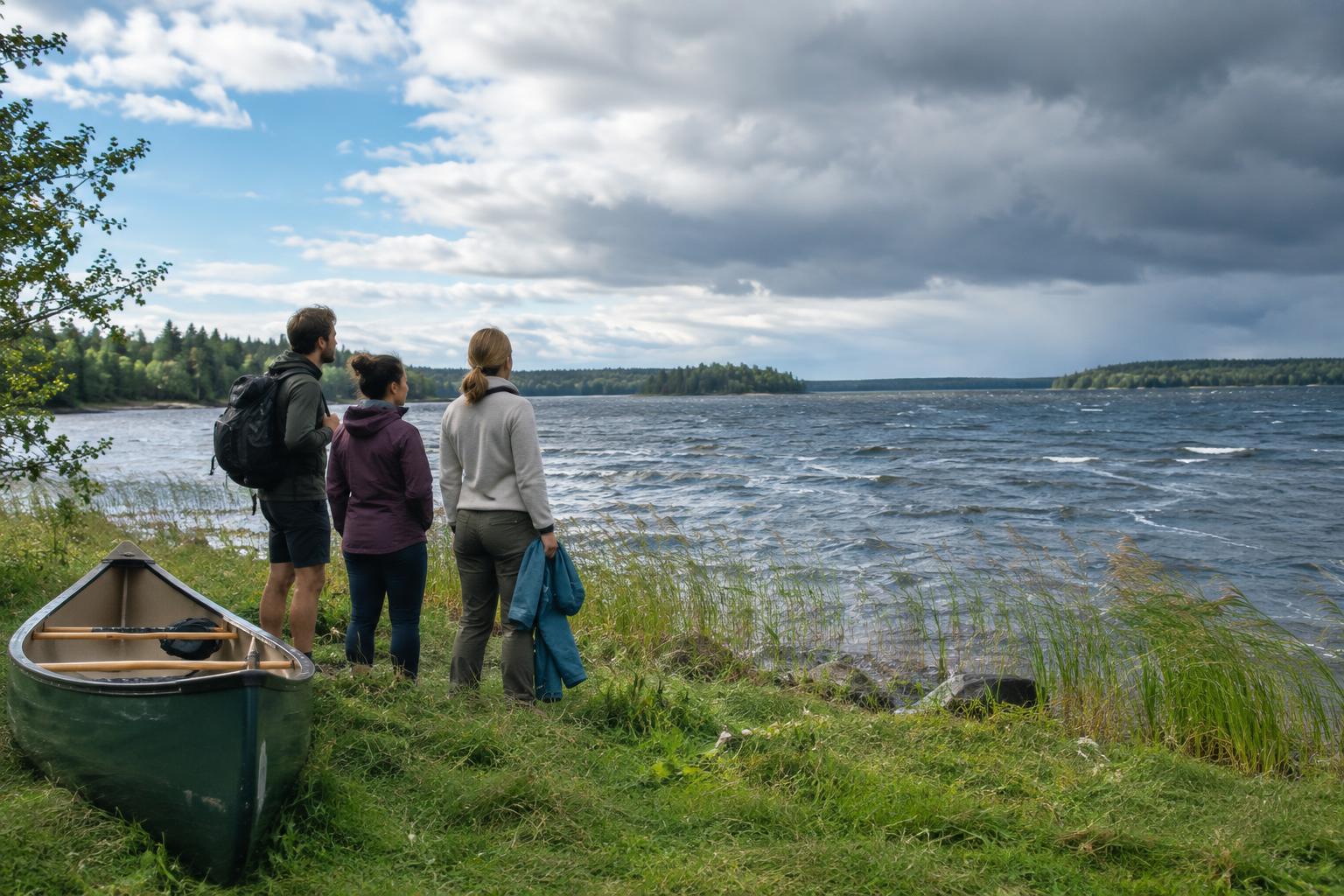
A lakeside outing can begin with calm water and an easy forecast, then feel quite different an hour later. Wind may make a paddle back to shore harder, rain can reduce visibility, and a familiar beach may become less inviting if the water looks murky. The best response is not to push through a plan simply because you packed for it. Give yourself permission to shorten, move or replace an activity.
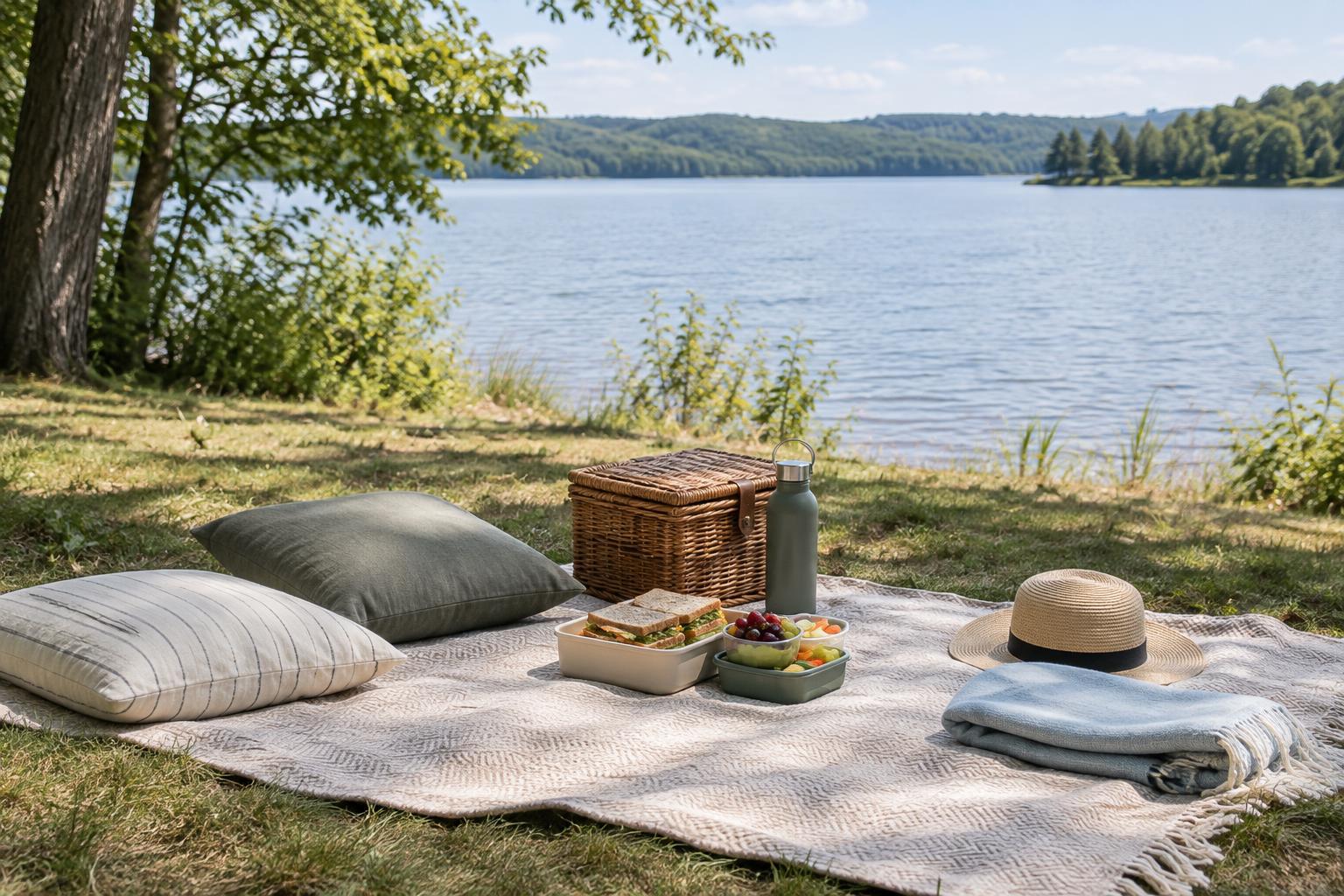
Before setting out, decide where you will begin, where you can leave the water or trail, and when you expect to return. Let someone outside your group know the basic plan, especially if you will be paddling or walking away from busy areas. Check the local forecast and any posted notices, and keep a shore-based option in mind. A picnic, a short walk or time photographing the lake can still make for a good afternoon.
Notice the changes that matter
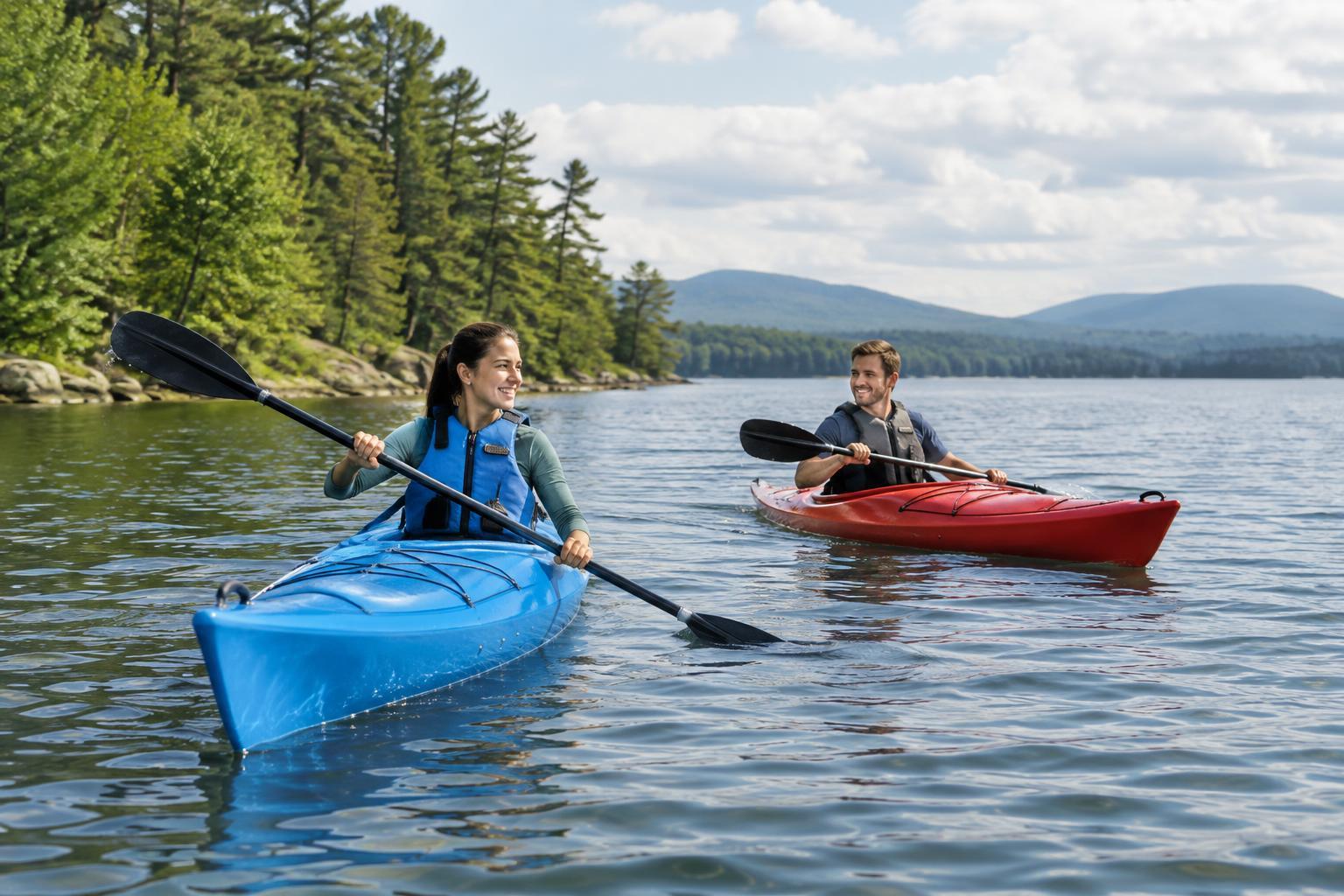
Look beyond whether the sun is shining. Watch for building wind, choppy water, darkening clouds, thunder, falling visibility or a noticeable drop in temperature. From a kayak or paddleboard, consider what the change will mean on the return trip: a breeze that helped you travel outward may work against you later. On shore, slick paths, rising water and exposed or muddy edges can alter a route that seemed straightforward at the start.
Pay attention to signs at access points, too. Swim-area notices, launch restrictions or warnings about water quality deserve more weight than how appealing the water looks from a distance. If you see unusual discoloration, surface scum or an unexpected odor, avoid contact and check locally available guidance rather than guessing what caused it. Conditions can vary around a lake, so a sheltered cove is not necessarily representative of open water.
Pause early and choose a simpler option
When something changes, pause in a safe place and reassess as a group. Ask three questions: Can everyone comfortably complete the original route? Is the way back clear? Is there a lower-risk alternative nearby? Include the least experienced person in that assessment. If anyone is cold, tired, uneasy or struggling to keep pace, make the plan easier rather than waiting for the situation to become urgent.
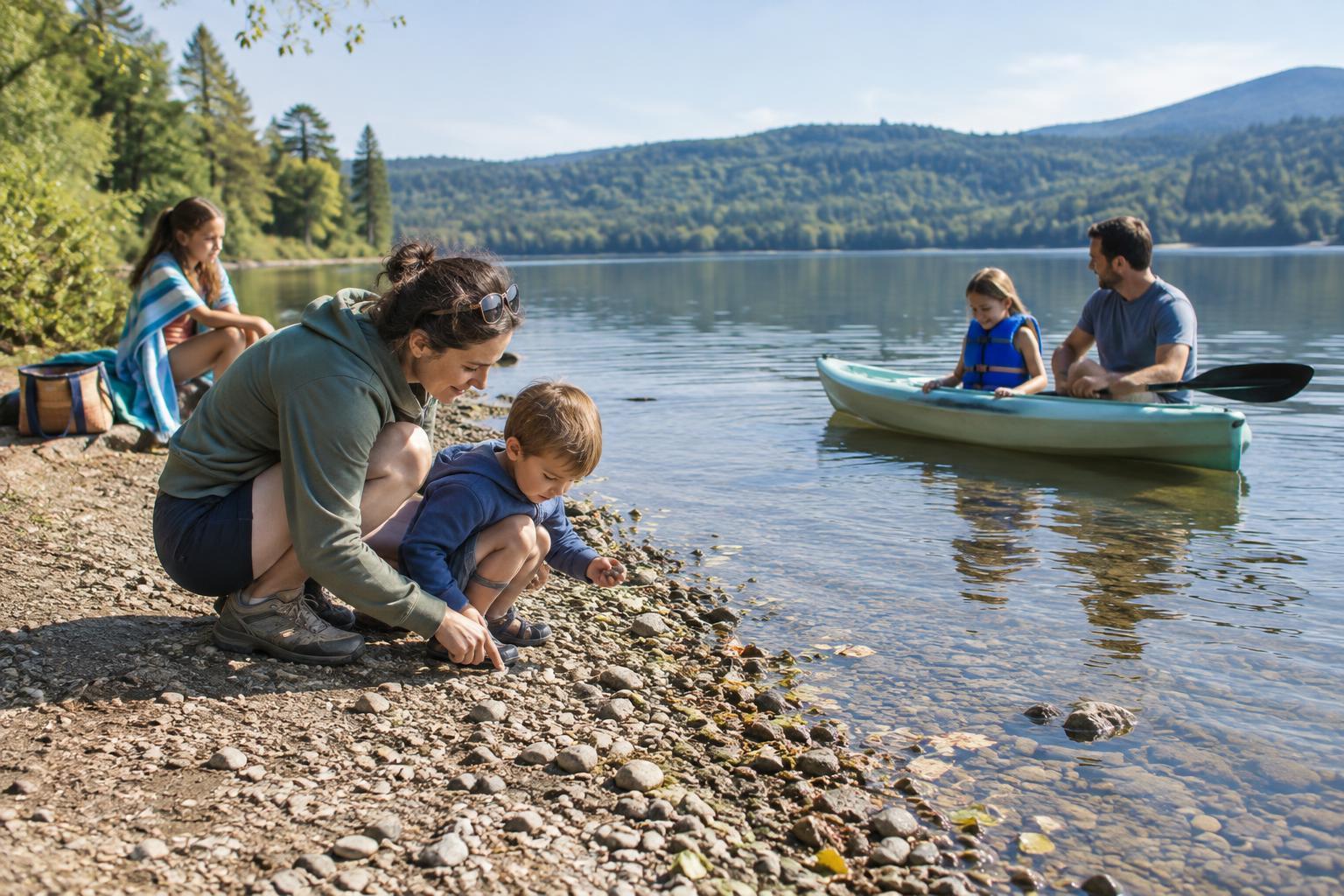
For a paddling outing, that may mean turning toward an appropriate landing point instead of continuing around the next bend. For a shoreline walk, it may mean taking a shorter loop that stays away from slippery banks. Do not treat waiting as a guarantee that conditions will improve; make sure you still have enough time and daylight to return comfortably. If thunder is heard or lightning is seen, leave the water and exposed shore and seek suitable shelter rather than trying to finish the activity.
Keep the group together and communicate clearly
A changed plan works best when everyone knows what it is. Name the new destination, agree on a steady pace and check that each person has heard the decision. Avoid splitting up casually to retrieve equipment, scout a route or reach the car. If separation is necessary, agree beforehand on where to meet and how to get in touch.
Carry a charged phone in a water-resistant case, while remembering that reception may be unreliable. Bring layers and drinking water even for a modest outing, and use appropriate flotation equipment for boating activities. If someone is in immediate danger, contact local emergency services when you can and provide your location as clearly as possible. Knowing the name of your access point or a nearby landmark can make that conversation easier.
Make a different kind of lake day
Changing course need not mean the outing has failed. From a safe, sheltered spot, you might watch the weather move across the water, take photographs of changing light, or visit a nearby café after packing up. If the water is rough but walking conditions are comfortable, choose an established path away from the edge. If rain makes paths slippery, a covered viewpoint or an early return may be the better choice.
Afterward, note what prompted the change and which backup worked well. That small habit can improve your next trip: you may choose a shorter paddle, an earlier start or a launch with easier access. The aim is not to predict every shift at the lake. It is to stay attentive enough to enjoy the place while keeping your plans flexible.