Book the parts that shape the whole trip
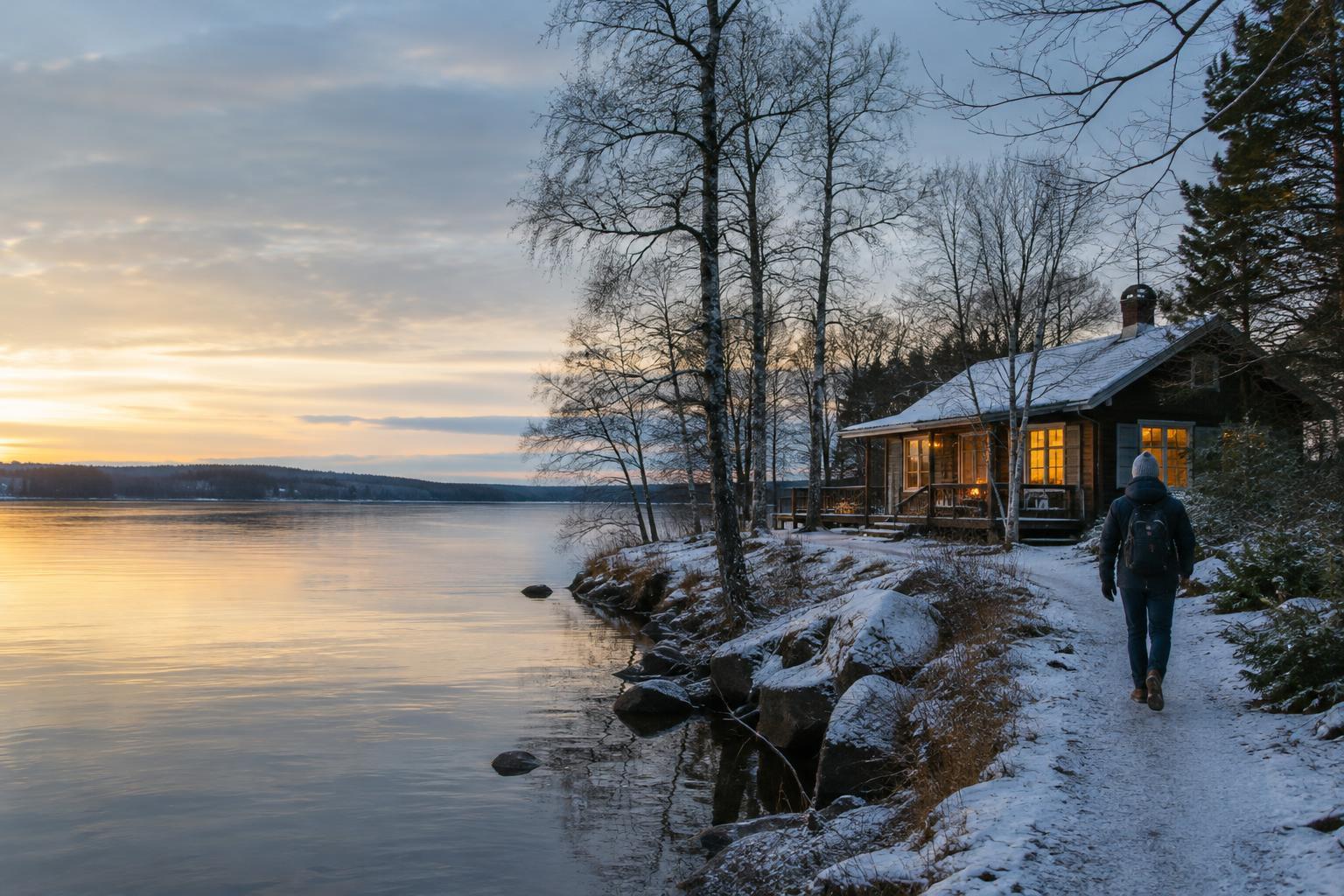
Start with your accommodation. A lakeside room, cabin, or campsite determines how far you will travel each day, what you need to pack, and whether you can walk to the water. If a particular location, room type, or accessibility feature matters, reserve it before building the rest of your plans. Check arrival times, parking arrangements, kitchen facilities, and cancellation terms so the stay works for your group rather than merely looking appealing in photos.
Next, settle any transport that would be difficult to replace. That might mean a rental vehicle, a ferry crossing, or a train journey with limited departure choices. If you are driving your own car, you may not need a transport reservation, but it is still worth checking the route and where you can park. Secure these essentials first; they give you a reliable framework without filling every hour of the weekend.
Check access rules before promising a day on the water
A lake may look open and easy to explore, yet access can depend on the specific shoreline. Some beaches, boat launches, trails, and protected areas have entry fees, parking limits, permits, or set hours. Look for the rules that apply to the places you actually want to visit. If advance entry or a parking reservation is required, treat it as part of the core itinerary. If access is first come, first served, identify a nearby alternative rather than assuming you will find a space.
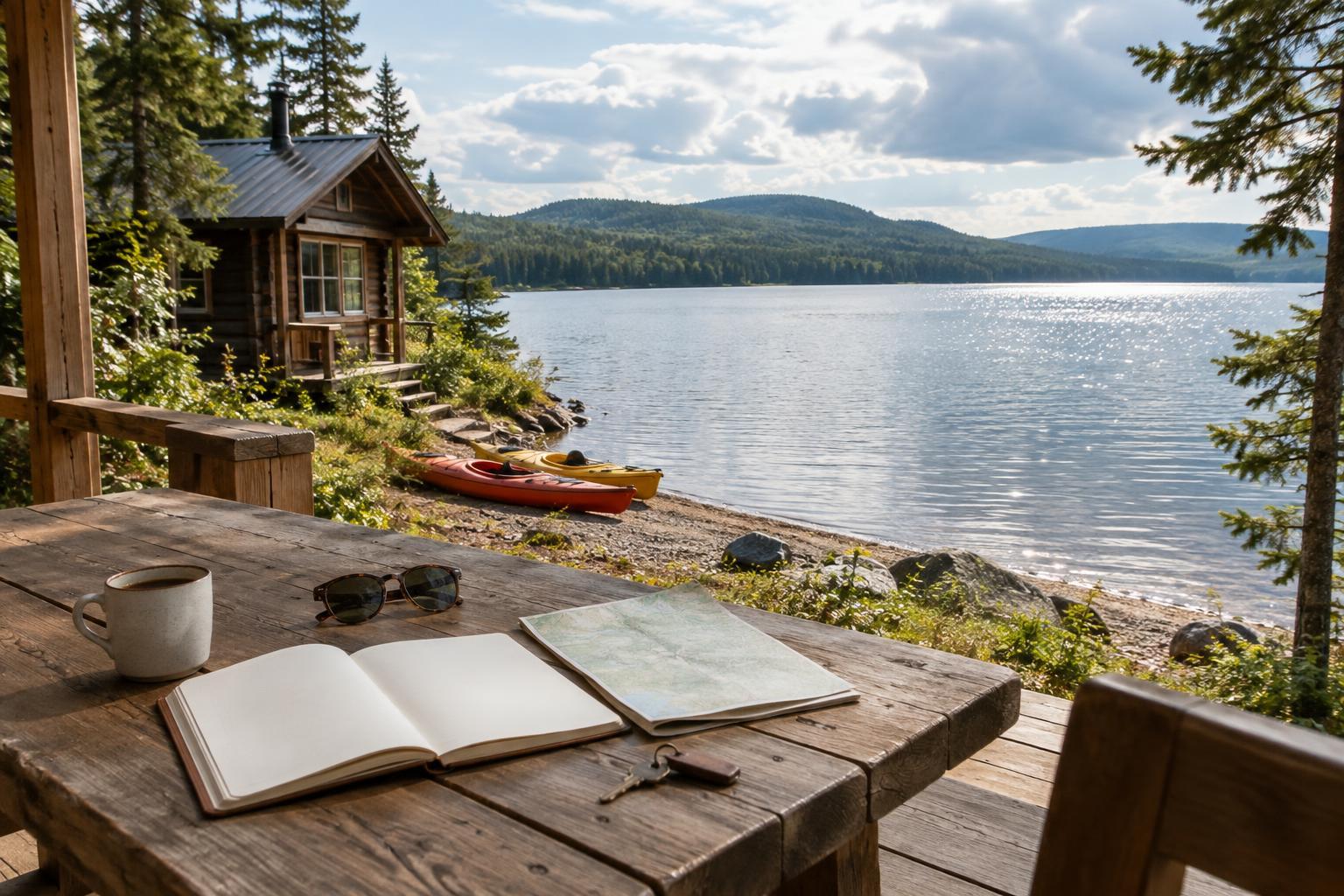
Reserve equipment when a particular activity is central to the trip. A guided paddle, boat rental, or lesson may have limited places, and groups can be harder to accommodate at short notice. Before paying, check age or experience requirements, what safety equipment is provided, and what happens if conditions are unsuitable. If being on the water is only one possible way to spend an afternoon, you can often leave that decision open and choose a walk or a quiet shore visit instead.
Make dining plans where they remove friction
You do not need reservations for every meal. One planned dinner can be helpful, especially if you hope to eat at a specific restaurant, are traveling with a larger group, or expect to arrive late. Confirm the kitchen’s serving hours as well as your table time, and allow for the journey from your accommodation. For the remaining meals, a short list of cafés, markets, and simple provisions gives you options without turning the weekend into a schedule.
If your stay has a kitchen, decide whether you want to cook before you shop. An easy breakfast and supplies for a picnic can make the day feel less rushed. Check what cookware and storage space are available, and bring only what you will use. A meal plan should make time by the lake easier to enjoy, not create a second set of obligations.
Leave weather-dependent hours open
The most enjoyable part of a lake weekend may be the part you did not assign a time slot. Keep room for a longer morning by the water, an unplanned viewpoint, or a slow return after lunch. A rough daily anchor is usually enough: perhaps one reserved activity followed by an open afternoon. This also leaves space to adjust when rain, wind, or fatigue changes what feels appealing.
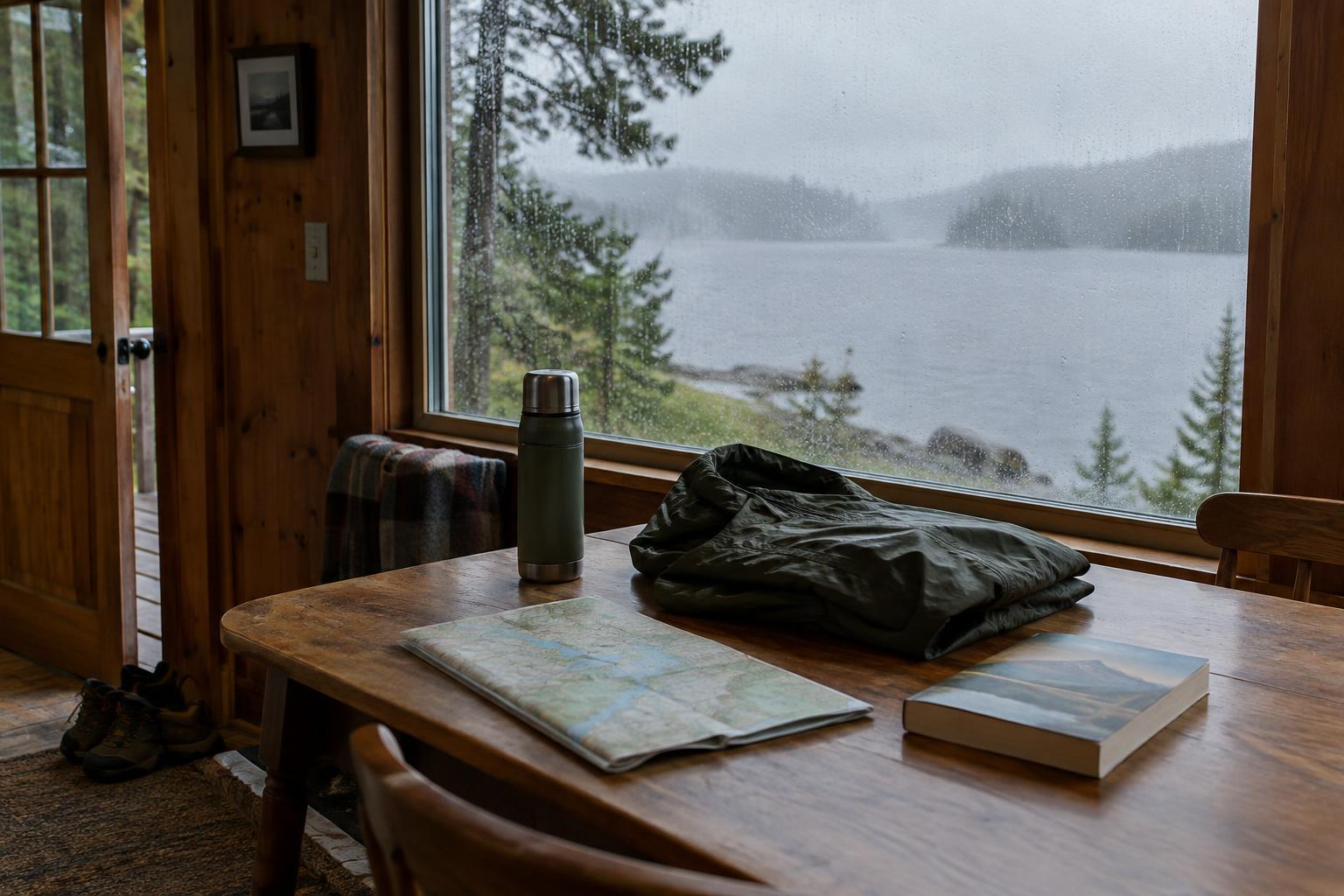
For anything exposed to the elements, make a backup plan before you leave home. It need not be elaborate: a sheltered walk, a small museum, a book at your accommodation, or a café stop may be enough. If you book an outdoor activity, read its rescheduling and cancellation terms rather than assuming poor weather will automatically mean a refund. Conditions at the water can differ from what you expected when you packed.
Use a short booking checklist, then stop planning
A few days before departure, gather confirmations for your stay, transport, required access, and any activity you would be disappointed to miss. Save practical details where you can find them easily: addresses, check-in instructions, meeting points, and contact information. Note any deadlines for changing plans. Share the essentials with your travel companions so no one has to search through messages on arrival.
Then separate the rest into possibilities rather than commitments. Keep a small list of places to eat, walks of different lengths, and activities for both clear and wet weather. When the weekend begins, choose from that list according to the conditions and your energy. Reserving the scarce or necessary pieces ahead gives you peace of mind; letting the interchangeable pieces wait gives you the freedom you came for.