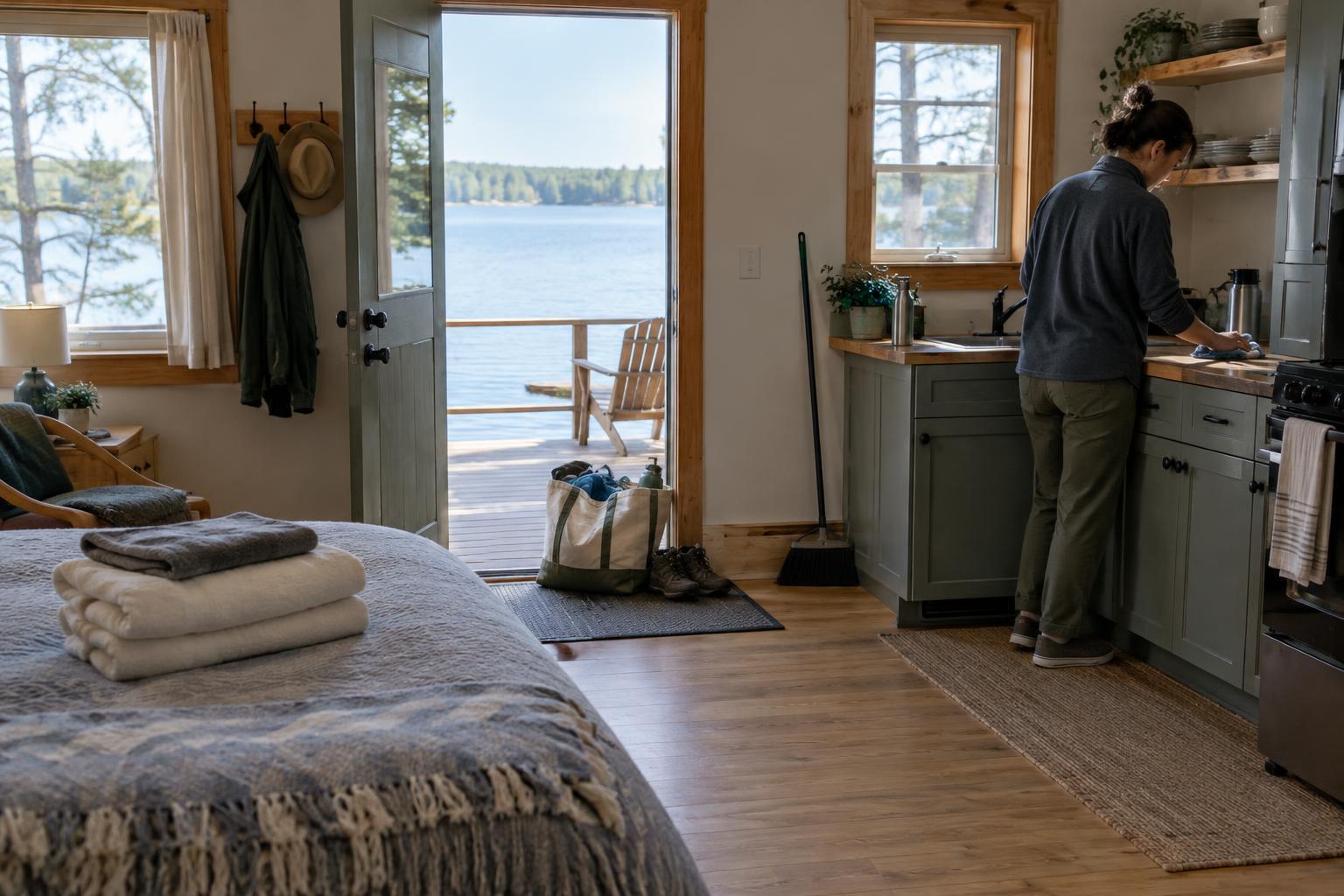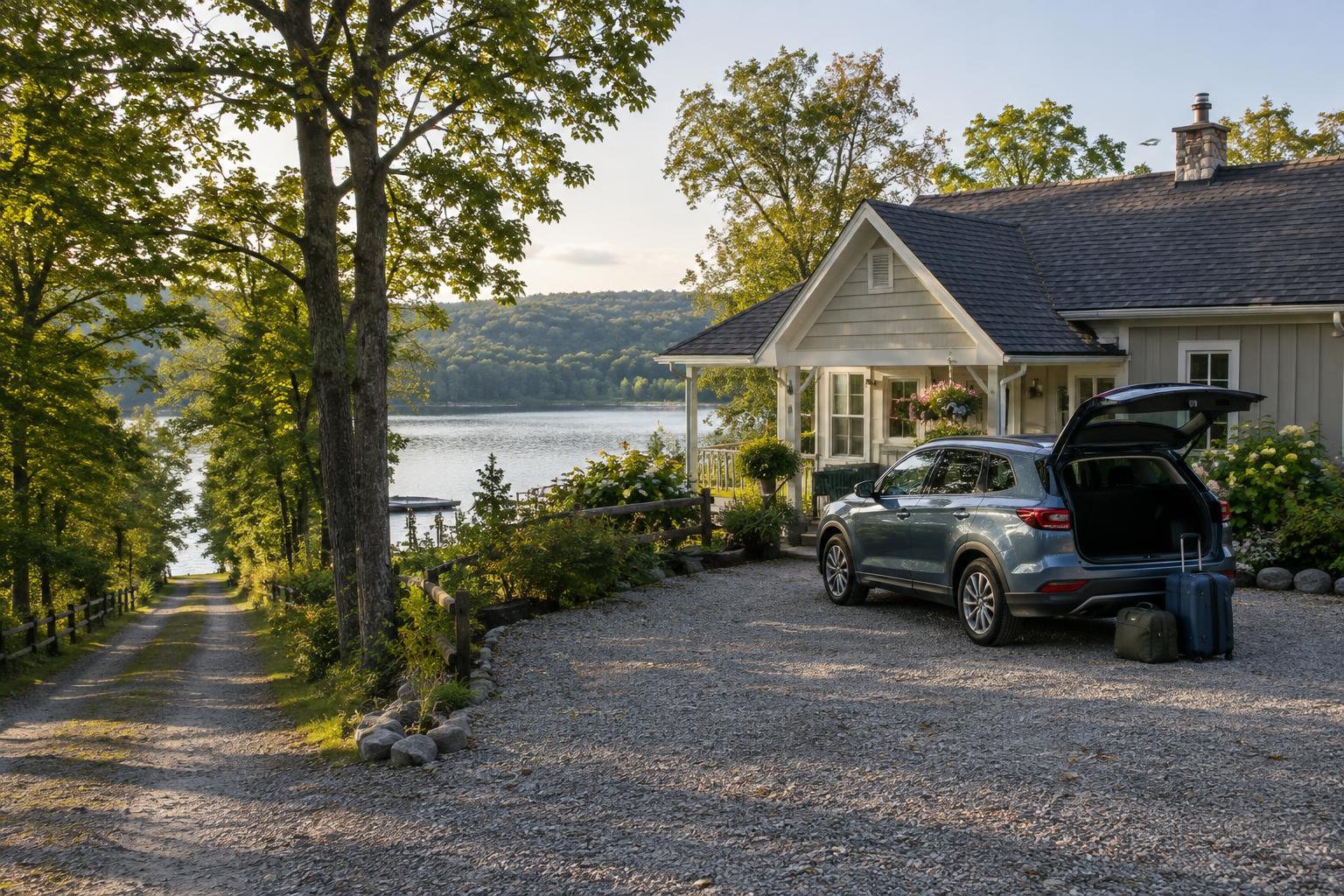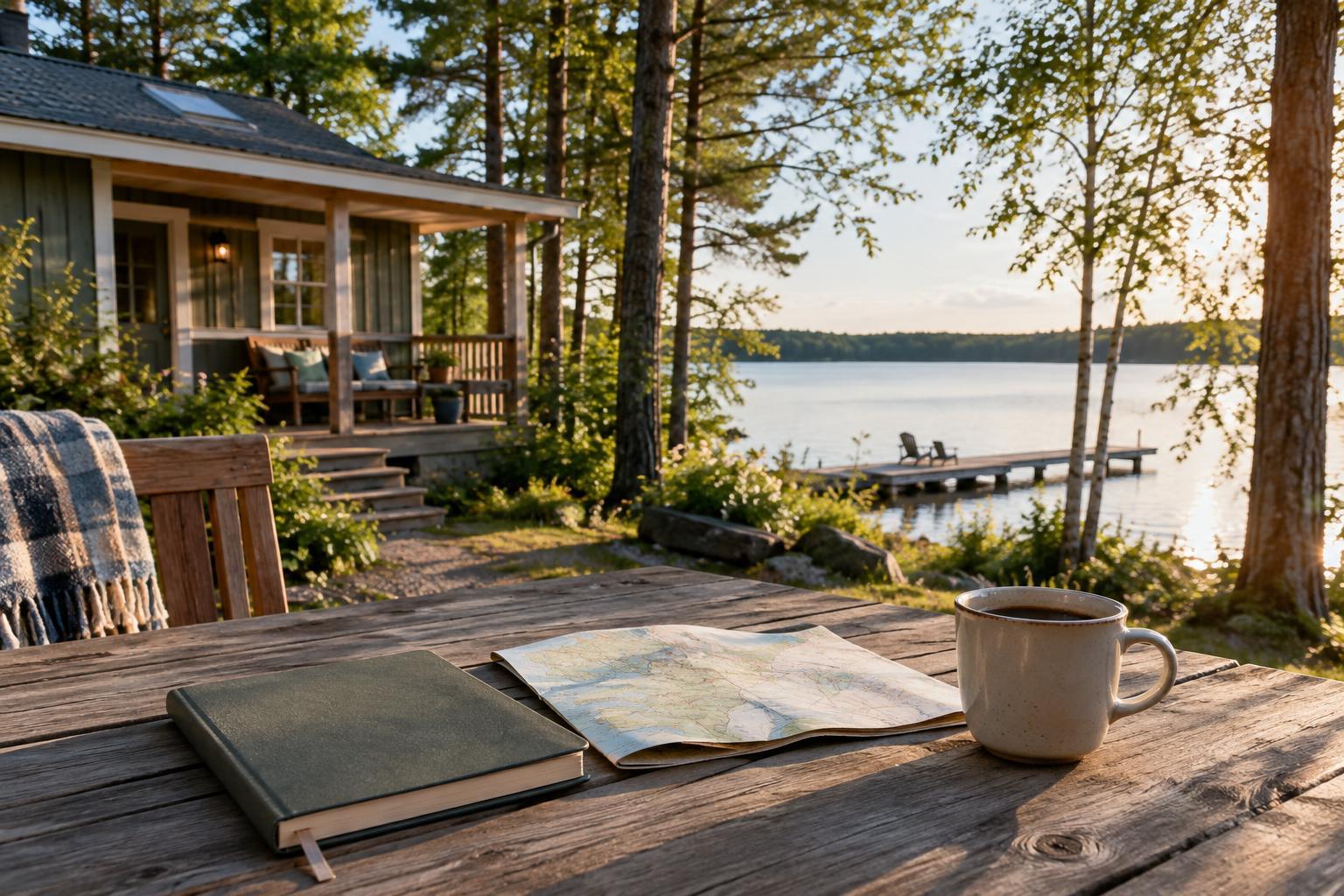
Start with the weekend, not a booking deadline
There is no single number of weeks or months that guarantees a good lakeside stay. The right time to book depends on how fixed your dates are, how few rooms or cabins a place has, and how particular you are about location. A small guesthouse may offer only a handful of options; once the room with a porch or the cabin near the water is taken, another available room may not provide the same experience.
If you are planning around a holiday, a local event, school breaks, or a weekend when your whole group can travel, begin looking as soon as the dates become firm. The same applies if you need a specific bed arrangement, an accessible room, or a pet-friendly stay. If you can travel on several weekends and are happy with different kinds of lodging, you can usually take more time to compare. Treat availability as a reason to plan thoughtfully, not as pressure to reserve the first place you see.
Decide what makes the stay worth booking
Before searching, write down the few features that will shape your weekend. Do you want to walk to the shore, launch a kayak nearby, sit outside with a view, or have a quiet base for exploring the area? “Lakeside” can describe very different settings. A property may be on the water, across a road from it, or a short drive away. Check the description and map against the activities you actually want to do.
Separate essentials from pleasant extras. Parking, stairs, kitchen facilities, sleeping arrangements, and check-in hours may matter more than décor. If you are traveling with others, agree on a comfortable total cost and who will book before rooms begin to disappear. That simple conversation helps you act when you find a suitable place without discovering afterward that someone expected a different type of trip.
Check the terms before you commit
A good-looking nightly rate is only part of the decision. Review the full cost shown before payment, including any cleaning or pet fees, and note whether there is a minimum stay. Read the cancellation and change terms carefully, especially if your travel dates are not certain. A flexible reservation may suit a trip that depends on several people’s schedules; a more restrictive one may be reasonable when everyone is committed and the terms are clear.
Small accommodations can also have individual routines. Look for arrival windows, parking instructions, breakfast arrangements, and policies for children or pets if relevant. If an important detail is unclear, ask the property directly before booking. Save the confirmation and the applicable terms where you can find them later. This is useful whether you reserve far ahead or closer to departure.
Build a shortlist instead of waiting for one perfect room
For a popular weekend, compare a few stays that meet your essential needs rather than holding out for one ideal listing. Include different locations around the lake if that suits your plans. One quieter shore may be better for reading and early nights, while a stay near restaurants or a public access point may make a short visit easier. Consider the driving involved each day, not just the journey to the property.
If your first choice is unavailable, check whether another room type works or whether shifting arrival or departure is practical. You might also choose a nearby town and spend your days by the water. Avoid making a reservation you do not intend to use while you continue shopping; keep track of any bookings you make and their cancellation deadlines. Having a short, realistic list makes it easier to choose without rushing.
Leave room for the weekend to unfold
Booking early settles where you will sleep, but it need not lock in every hour. Once the stay is confirmed, note any activities that require their own reservations, then leave space for a slow breakfast, a lakeside walk, or a change of plans. If your main goal is swimming, paddling, or another weather-dependent activity, choose lodging you would still enjoy if conditions are less inviting.
Closer to departure, recheck arrival details, access to the activities you have planned, and anything you need to bring for the stay. A small property may not have the same amenities or staffing pattern as a larger hotel, so knowing what is provided helps you pack well. The best booking time is ultimately the point when your dates and priorities are clear enough to choose with confidence—and early enough that you still have a stay you will enjoy.